Last updated November 21, 2026
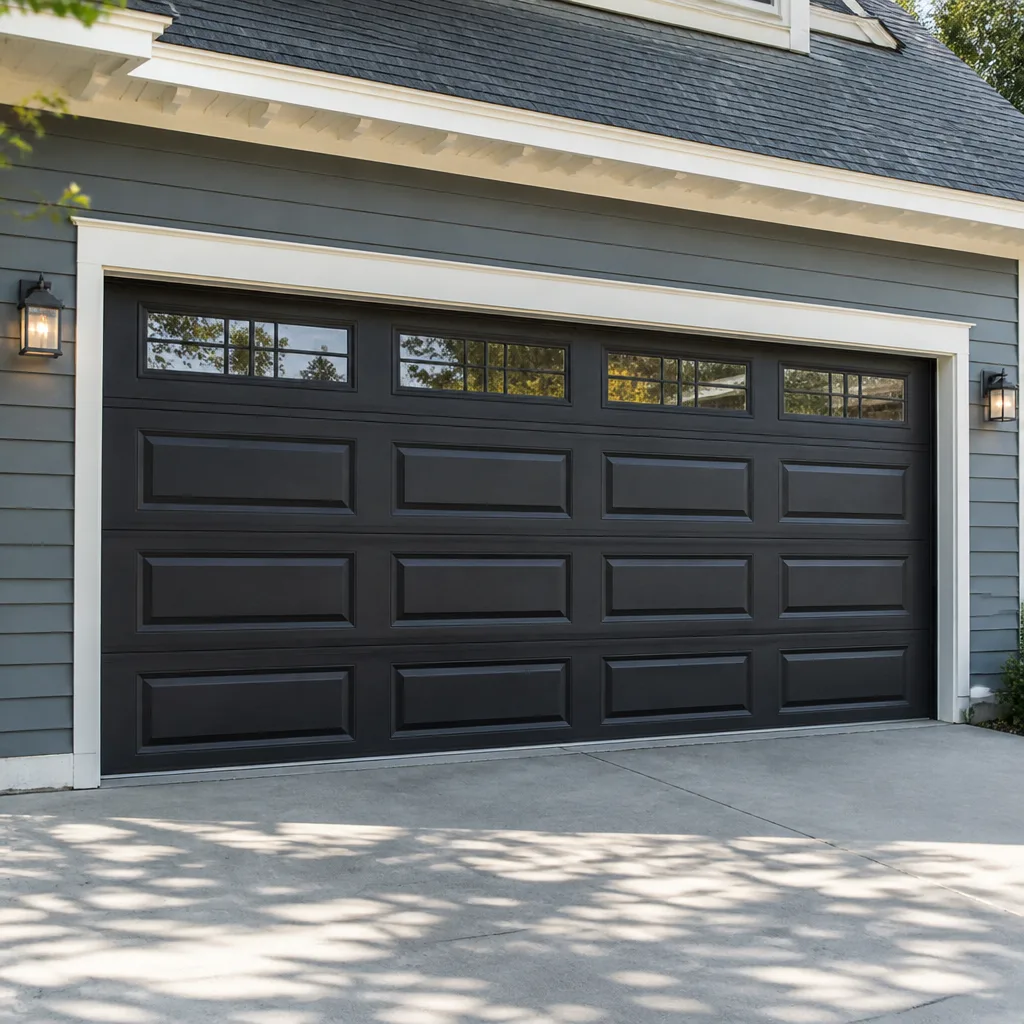 Raised-panel steel
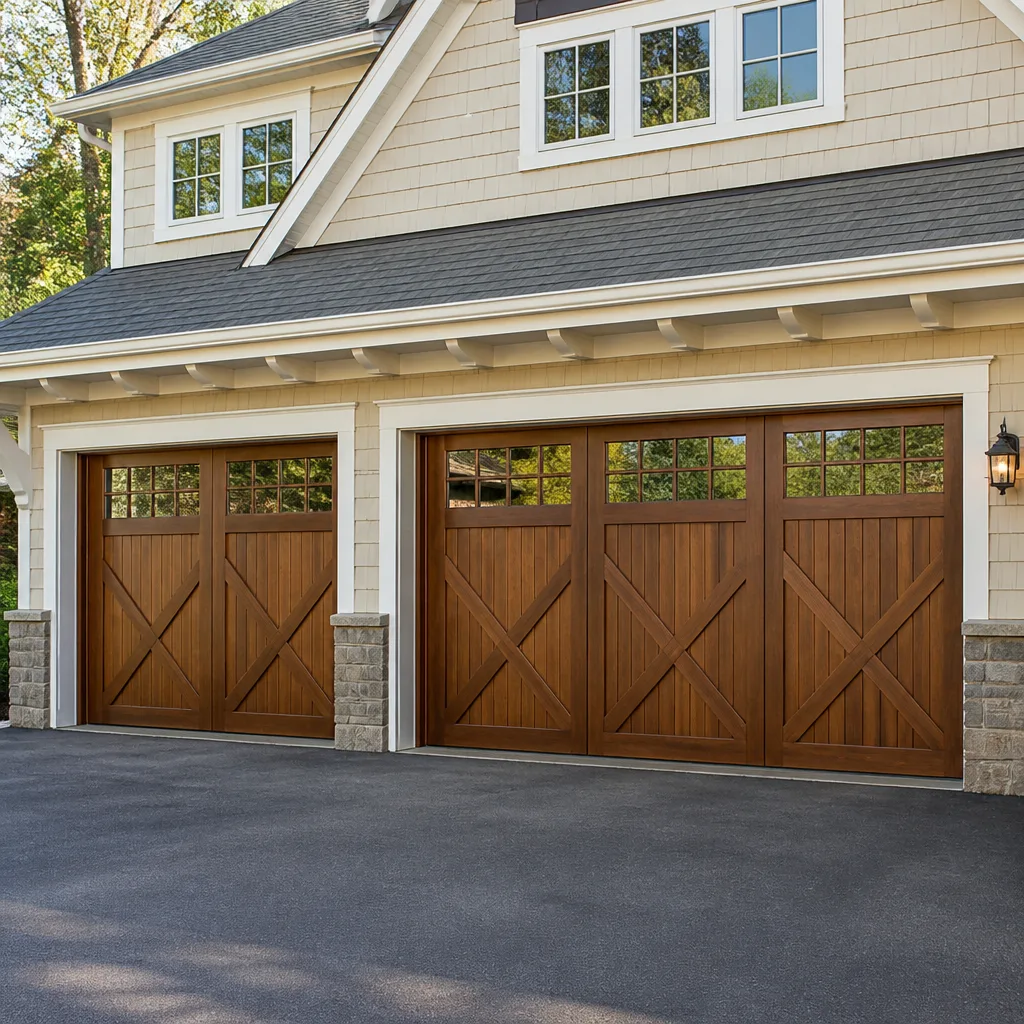 Carriage house
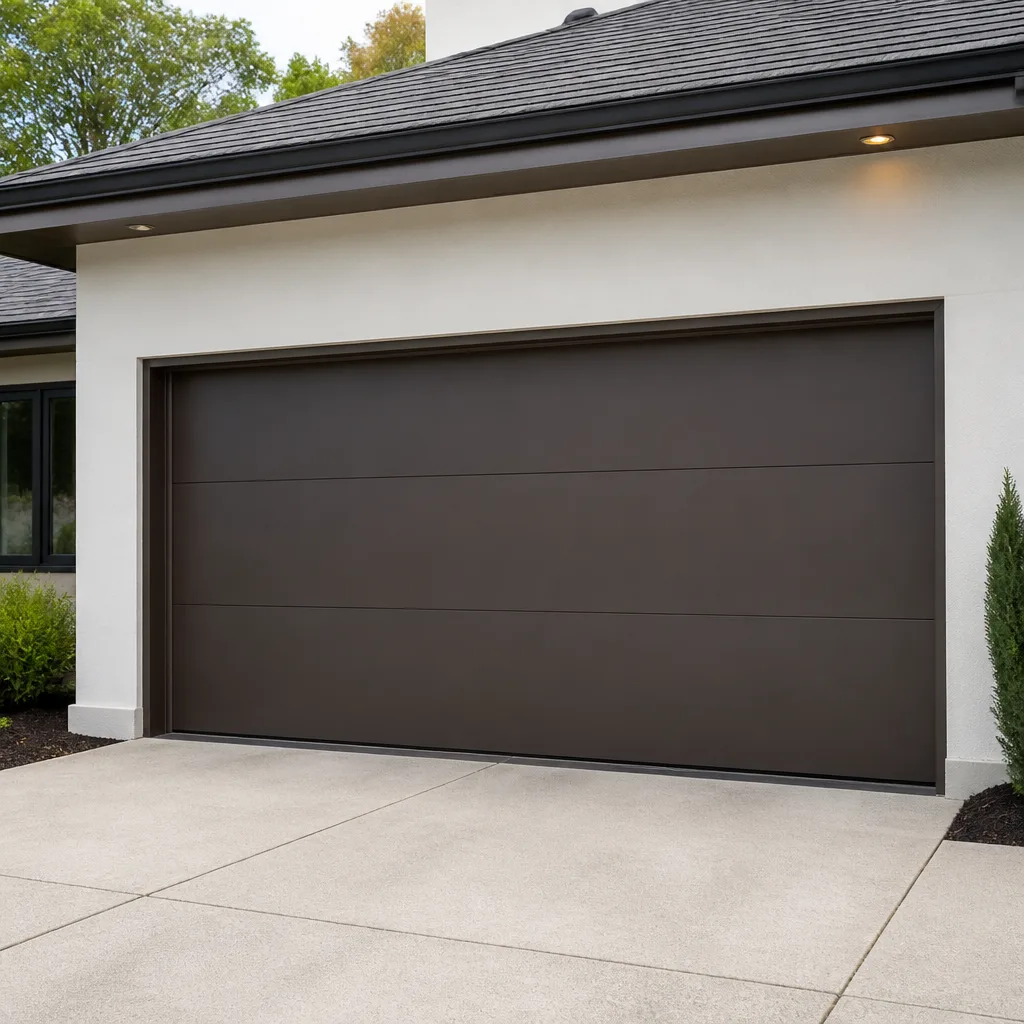 Modern flush
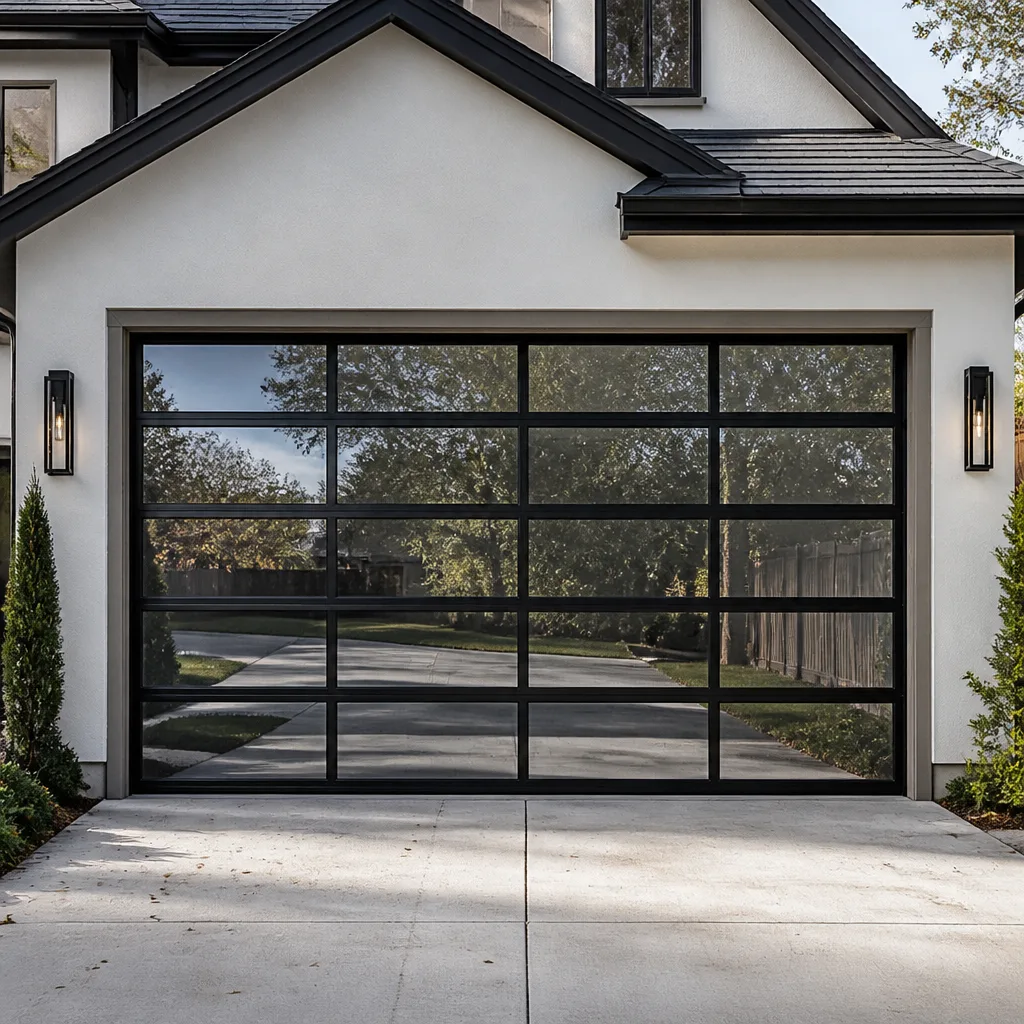 Full-view glass
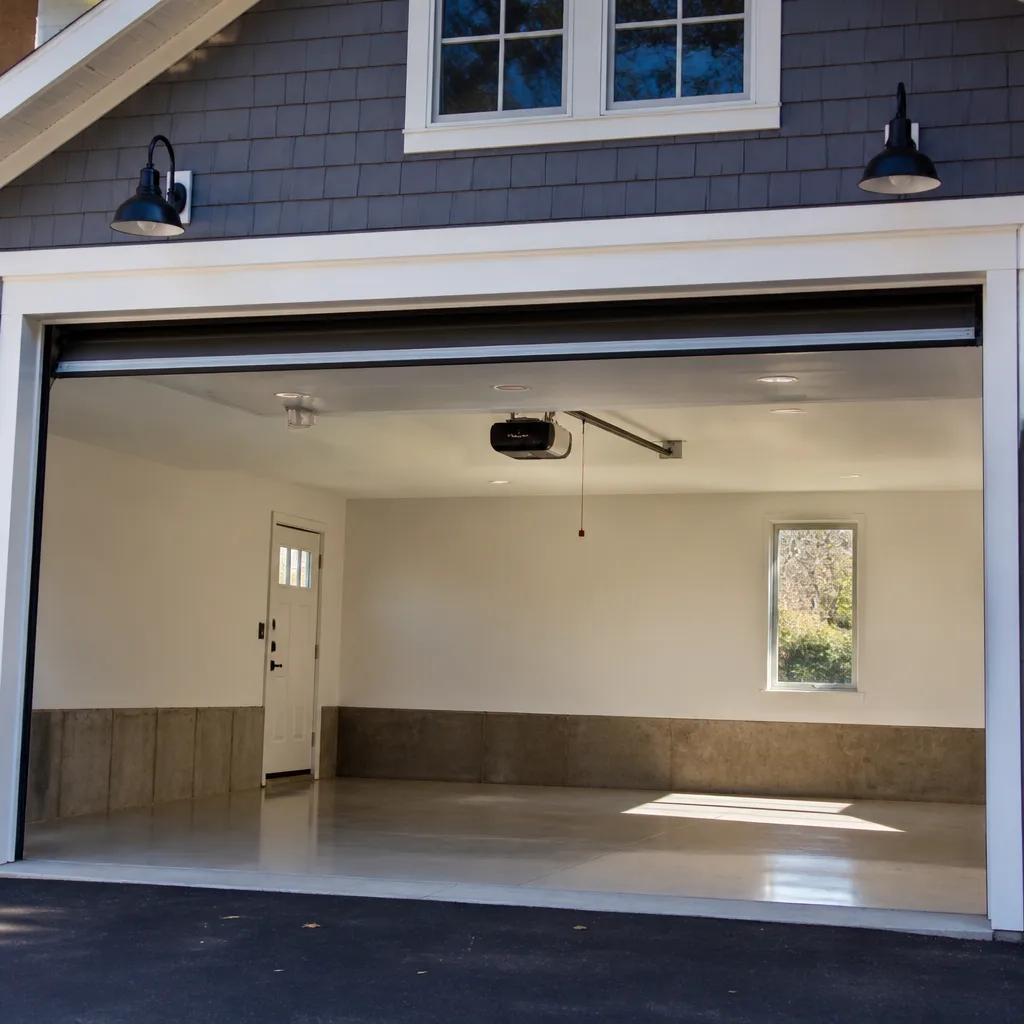 LiftMaster openers
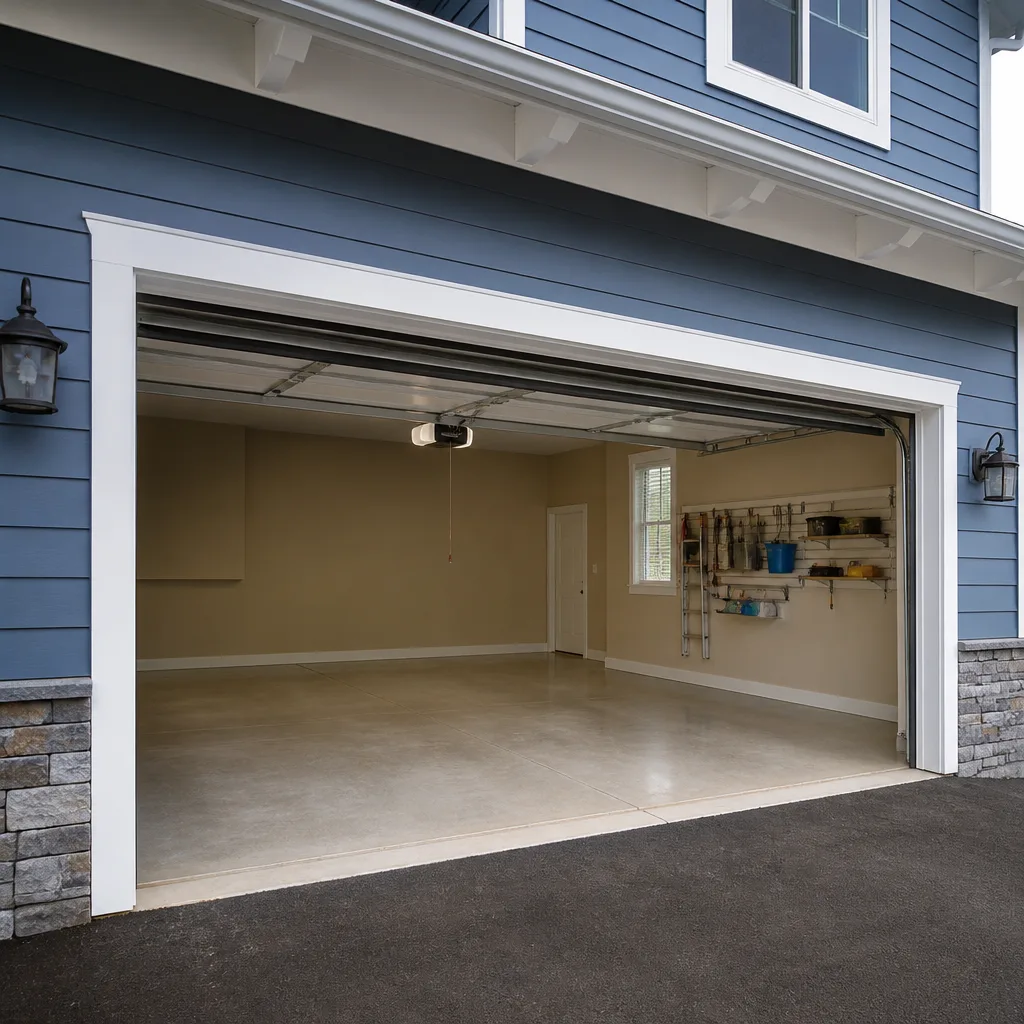 Chamberlain openers
Full 25-point door and opener safety check with every visit - springs, cables, rollers, tracks, and your LiftMaster or Chamberlain opener included
You get a price before we start. It does not change when the pro arrives.
Get your free estimateGarage Door Emergency Preparedness Guide for Canarsie Homes
Most homeowners treat their garage door like an appliance: it works until it doesn’t, and then they call someone. The problem is that a garage door is also the largest moving object in your house and the main way you get a car in and out. When it fails during a storm or blackout, people discover the manual release they’ve never touched is stuck, the emergency cord is zip-tied out of reach, or nobody in the house knows how the lock works. That’s not bad luck. It’s a missing drill. This guide is that drill. We’ll walk through the three manual procedures every Canarsie homeowner should know before an emergency: safe release during a power outage, handling a door with a broken spring, and securing a door that won’t stay closed. You’ll also find a five-minute audit to do now, while nothing is wrong.
Quick Answer
Garage door emergency preparedness for a Canarsie home comes down to three things you need to know before anything fails: how to use the red manual release cord safely (with the spring intact versus broken), how to secure a door that won’t stay closed without wrecking the track, and where your emergency contact and a saved technician number live on your phone. Battery backup openers from LiftMaster and Chamberlain make outages easier, but only if the backup battery is actually charged. Everything else in this guide supports those three skills.
Styles & brands we work with
- Raised-panel steel
- Carriage house
- Modern flush
- Full-view glass
- LiftMaster openers
- Chamberlain openers
Table of Contents
- Why Canarsie Homes Face Specific Garage Door Emergencies
- The Manual Release Procedure: Spring Intact vs. Spring Broken
- Power Outage Protocol: Battery Backup and What to Do Without It
- After Flooding: What to Inspect Before You Open the Door Again
- Securing a Door That Won’t Stay Closed
- When the Door Is Stuck on a Car
- The Five-Minute Pre-Emergency Audit
- When the Emergency Is Beyond a Homeowner’s Reach
Why Canarsie Homes Face Specific Garage Door Emergencies
Canarsie sits on flat, low-lying ground with a mix of single-family houses, semi-detached homes, and multi-unit buildings on blocks between Rockaway Parkway and the Belt Parkway. That geography and housing mix create a specific set of garage door risks you won’t see in a hilly part of Brooklyn or a suburban town in the middle of the country.
Storm flooding is the big one. When heavy rain overwhelms drainage on a Canarsie block, water can pool in driveways and creep into garages before it recedes. Door bottom seals, opener motors mounted low on the wall, and roller tracks all take on water and grit. A door that “worked fine” the day before a flood can jam, bind, or fail to close fully two days later, once the water has carried silt into the moving parts.
Then there’s the neighborhood’s housing density. In many Canarsie homes the garage isn’t a luxury; it’s the only off-street parking and one of the ways you get into the house. A door that fails overnight isn’t just an inconvenience; it leaves a car exposed and a route into the home open. Preparedness here means knowing what to do at 2 a.m. before you have to think about it.
And the same building stock is aging into repair categories. Doors on older homes may use torsion or extension springs, older openers, or manually locked panels. Each of these behaves differently when things go wrong. Knowing which system your Canarsie home has is the first step in preparing for it.
The Manual Release Procedure: Spring Intact vs. Spring Broken
Every automatic garage door has a manual release, usually a red cord hanging from the trolley that runs along the center rail. Pulling it disconnects the door from the opener so you can lift the door by hand. That’s the theory. The mistake most homeowners make is treating the red cord as a universal “unstick” button without knowing whether the spring is intact. It matters, and the difference is a matter of personal safety.
On a torsion-spring door (a horizontal metal shaft with springs mounted above the door), or an extension-spring door (springs running along the side tracks), the springs carry most of the door’s weight. If those springs are broken, the door is no longer balanced. It can be enormously heavy, and the weight is not distributed the way you expect. Pulling the release on a door with a broken spring is what turns a broken door into a serious injury.
If the spring is intact and the door is balanced
- Close the door fully first if it’s open. Release works best with the door down.
- Pull the red release cord down and toward the door. You should hear the trolley click free.
- Lift the door slowly using the bottom handle or a lift point at the center bottom edge. Never lift by the rollers or by the glasses panels.
- Pause at head height to confirm the door feels balanced. A balanced door stays where you leave it. A door that wants to fall or wants to rise is not balanced, and you should stop.
- If the door stays put, raise it fully and prop it with a proper support if you must leave it open for a while.
If the spring is broken
Do not pull the release cord. Do not lift the door by hand. Do not try to prop the door open with a stool, a broom, or anything else you have to reach up under the door to place. A door with a broken spring is a dangerous object, and the danger is not hypothetical. Call for help. The safe move is to keep the door in place, keep people and pets away from it, and call for emergency garage door service. Our garage door repair team reaches Canarsie for exactly this kind of failure, and you can call (844) 443-4493.
If you’re not sure whether the spring is intact, look at it from the front of the door without standing under it. A torsion spring that has snapped usually shows a clear gap between the coils. An extension spring that has failed will be stretched out of shape, often with the safety cable taking the load. If either is the case, treat it as a broken spring. Do not test by hand.
Power Outage Protocol: Battery Backup and What to Do Without It
A power outage is the most common garage door emergency in Canarsie, and it’s rarely planned. Thunderstorms, grid issues, and downed lines can shut off an opener for a few hours. What separates a calm outage from a bad one is whether you know two things: whether your opener has battery backup, and whether that backup is actually charged.
LiftMaster and Chamberlain both make openers with battery backup, and the feature is easy to check. On a compatible unit, look for a battery compartment on the motor unit or a small LED indicator. LiftMaster myQ-enabled models, for example, often have a battery backup where the door will operate a limited number of cycles during an outage. Chamberlain units use a similar approach. What that means in practice: during a real outage, the door will open and close for a while, then it won’t. Knowing the number of cycles your model is rated for saves you from burning through the backup early for no reason.
To check before an outage:
- Find the battery compartment on the opener motor unit. Note the battery type and how to access it.
- Test the door during a planned outage if you can. Some units have a self-test button, and the manual that came with your opener will tell you.
- Replace the battery on a schedule. A backup battery that’s never been replaced after a few years is a battery you can’t count on.
If your opener has no battery backup, the only path is manual release, which means the spring-intact procedure above. Before you pull the cord, confirm the door is balanced. If your Canarsie home is on an older opener from Craftsman or Raynor without backup, add “test manual release” to your pre-emergency audit and add an opener with backup to your upgrade list. Our garage door opener repair service handles both mechanical and connected systems, so we can tell you what your unit can and can’t do before an outage hits.
After Flooding: What to Inspect Before You Open the Door Again
Flooding is the one garage door emergency where the risk isn’t obvious. The door looks fine after the water recedes. The opener might even run. But standing water carries grit, salt, oil, and silt into every moving part, and a door that runs before the parts are inspected can grind the rollers, jam the track, or damage the opener motor.
After any flood event on a Canarsie block, do this before resuming normal operation:
- Don’t run the opener. Don’t press the remote. Don’t press the wall button. Let the system dry and be inspected first.
- Look at the bottom seal. A rubber or vinyl bottom seal that absorbed water can stay saturated, warp, and no longer make contact with the floor. That gap is where water and pests get in, and where wind can push under the door.
- Check the opener motor’s height. If your opener is mounted low enough that floodwater reached the housing, the electronics may be compromised even if the unit still powers on. Moisture inside a motor housing causes corrosion that shows up weeks later.
- Inspect the tracks and rollers. Silt in the track is the most common post-flood failure. Rollers that should slide smoothly will bind on a dirty track. Running the door in that condition can pull the door off the track and bend it.
- Wipe and dry the moving parts. A clean, dry cloth on the tracks and along the roller surfaces removes the most common debris. Don’t spray anything into the opener.
- Check the safety sensors. Sensors mounted low on the track are often the first thing to take on water. If the beam is blocked or the lenses are coated, the door will refuse to close.
If any part of the door or opener was submerged, call for an inspection before you use it. The real cost of a flood isn’t the water; it’s running damaged parts and turning a repair into a replacement. Our Garage Door Repair Canarsie team inspects both the door and the opener after flooding so you know exactly what needs work. Call (844) 443-4493 and we’ll schedule a free estimate.
Securing a Door That Won’t Stay Closed
A door that won’t stay closed after a storm, a break-in attempt, or a mechanical failure creates a security gap on the whole house. The instinct is to force it shut and jam something under it. That instinct is often the thing that damages the track. The goal is to secure the opening without bending the door or making a fix more expensive.
What actually works:
- Make the door come down as far as it can go, slowly. Lower the door by the manual release and guide it down. If it stops a few inches above the floor, that’s still a gap, but it’s the smallest one the door will allow.
- Block the opening behind the door, not in the track. A piece of plywood or a heavy furniture piece placed inside the garage against the door is safer than wedging a board in the track. Wedging the track bends the vertical rail and stops the door from ever running smoothly again.
- Use the door’s own lock if it has one. Many older doors have a manual lock or slide bolt on the inside face. It’s easy to forget it exists. Check before you assume you need to improvise.
- Use a floor-mounted lock or a slide bolt mounted to the door frame only if you know what you’re doing. A lock bolted through the door panel is fine. A lock bolted through the track or the roller assembly is a repair waiting to happen.
- Don’t lift the door onto a prop and leave it open. If you can’t get the door down, don’t force it up and leave a gap above the car. Secure the garage’s interior door to the house instead, and call for service on the garage door.
If the door won’t close because the track is bent, the opener is misaligned, or a cable has come off, that’s a repair, not a homeowner fix. Don’t try to bend a track back by hand. The metal is under tension and the alignment is precise. Emergency garage door service in Canarsie is a real service tier for us, and we can work on the door the same day. Call (844) 443-4493.
When the Door Is Stuck on a Car
A car stuck under a partially closed garage door is one of the most stressful emergency scenarios a homeowner can face, and it’s also one of the most dangerous to handle badly. The door is either jammed on the car’s roof, pressing on the hood, or caught on a bike rack or roof box. The good news: the correct first moves are almost always the ones that don’t touch the door.
- Stop the opener. If the opener is still trying to close, unplug the motor unit from the wall or pull the release only if the spring is intact. Don’t press the wall button repeatedly.
- Get everyone out of the car if they can leave safely. Don’t let anyone stand under the door or reach up between the door panel and the car roof.
- Don’t back the car out fast. Dragging the car out can pull the door down further or tear the bottom panel.
- If the door has a manual release with an intact spring, you can disengage the opener. With the opener disengaged, the door still sits on the car because the springs and cables hold it there. Two people can usually lift a balanced door a few inches to free the car, but only if the spring is intact.
- If the spring is broken or you can’t confirm it’s intact, don’t lift the door. Call for emergency service. The door is being held by the car, and lifting it by hand shifts the load unpredictably.
Once the car is freed, inspect the door before running the opener. Panels bend, tracks twist, and the opener’s force setting may need to be reset. A door that got stuck once will often get stuck again the next time if a panel is bent. If the door has been deformed, that’s a call to a professional, not a remote reset.
The Five-Minute Pre-Emergency Audit
This is the part of the guide that matters most because it’s the part you can do right now. Before the next storm, blackout, or bad night, run through these checks. The whole thing takes about five minutes if your garage door is visible from inside the house.
- Check the manual release cord. Is it reachable? A zip-tied or tucked-away red cord is the single most common preparedness failure we see. It should hang free and be visible from below.
- Test the manual lock. If your door has an inside lock or slide bolt, work it once. A lock that hasn’t moved in years can seize.
- Test manual release with the spring intact. With the door down, pull the release cord, lift the door a few inches, and set it back down. Re-engage the trolley by running the opener briefly. This is the one dry run that tells you the release works.
- Look at your spring from the front of the door. A visible gap in a torsion spring or a stretched, tangled extension spring means the door is not safe to operate by hand. Note it and plan the repair before it fails all the way.
- Check the opener’s battery backup. If you have a battery backup unit (many LiftMaster and Chamberlain models do), check the battery condition and note the model number.
- Check the bottom seal. Run your hand along the floor gap under the closed door. A seal that no longer touches the floor lets in water, wind, and pests, and it’s cheap to replace before a storm.
- Pin your emergency contact. Save the number you’ll call during an emergency in your phone. Our number is (844) 443-4493. Save it now, before you need it. Add a note for the door’s brand and model under the contact.
This audit isn’t about finding everything wrong at once. It’s about knowing, in advance, which procedure applies to your door on the night something actually fails. Preparedness is a saved number and a rehearsed procedure.
When the Emergency Is Beyond a Homeowner’s Reach
Some garage door emergencies are safe for a homeowner to manage: a power outage with a balanced door, a door that fails to close because the bottom seal is wet, a car temporarily stuck under a door with an intact spring. Others are genuinely beyond the homeowner’s reach: a broken torsion spring, a door off its track, a bent track, a lift cable that has come loose, an opener motor that makes a grinding noise, a door that’s jammed on a car and won’t come free, or any post-flood damage where the motor or track was submerged. Those are calls to a professional, and we mean that without any sales language. The injury risk on a torsion spring is a real one, and the right fix requires the right tools, the right spring tension calculation, and a technician who’s done it many times. Our technicians have up to 14 years of experience, and our spring repair is done in-house rather than subcontracted. We service doors and openers from eight major brands, including LiftMaster, Chamberlain, Genie, Clopay, Amarr, Wayne Dalton, Craftsman, and Raynor, so whatever’s in your Canarsie garage, we’ve worked on the system before.
Common Mistakes to Avoid
- Zipping the red release cord out of reach. Homeowners tuck it up to keep it from catching on things, and then can’t reach it during a real outage. Leave it hanging where an adult can grab it in the dark from the driver’s side of the car.
- Pulling the release on a door with a broken spring. A broken-spring door is very heavy and unbalanced. Pulling the release and lifting by hand is how people get hurt. If the spring shows a gap, don’t touch the release, and call for emergency service.
- Running the opener before inspecting after a flood. If the Canarsie block flooded, don’t press the remote until the track, rollers, bottom seal, and motor have been checked. Grit in the track is the most common cause of post-flood failures.
- Wedging a board in the track to hold the door closed. It bends the vertical rail and can pull the door off track. A board against the inside face of the door works without damage.
- Assuming “it opens” means the manual release works. Test the release cord with the spring intact once a year. A seized trolley release will fail when you need it most.
- Letting a backup battery go uncharged. A LiftMaster or Chamberlain opener with battery backup only helps if the battery is fresh. Add it to the audit and replace it on a schedule.
- Watching a wobbling door and treating it as cosmetic. A wobbly, noisy door usually has a stretched spring, worn rollers, or a loose track. That’s the pre-emergency window. Get it looked at before it becomes a door on the car.
See the difference
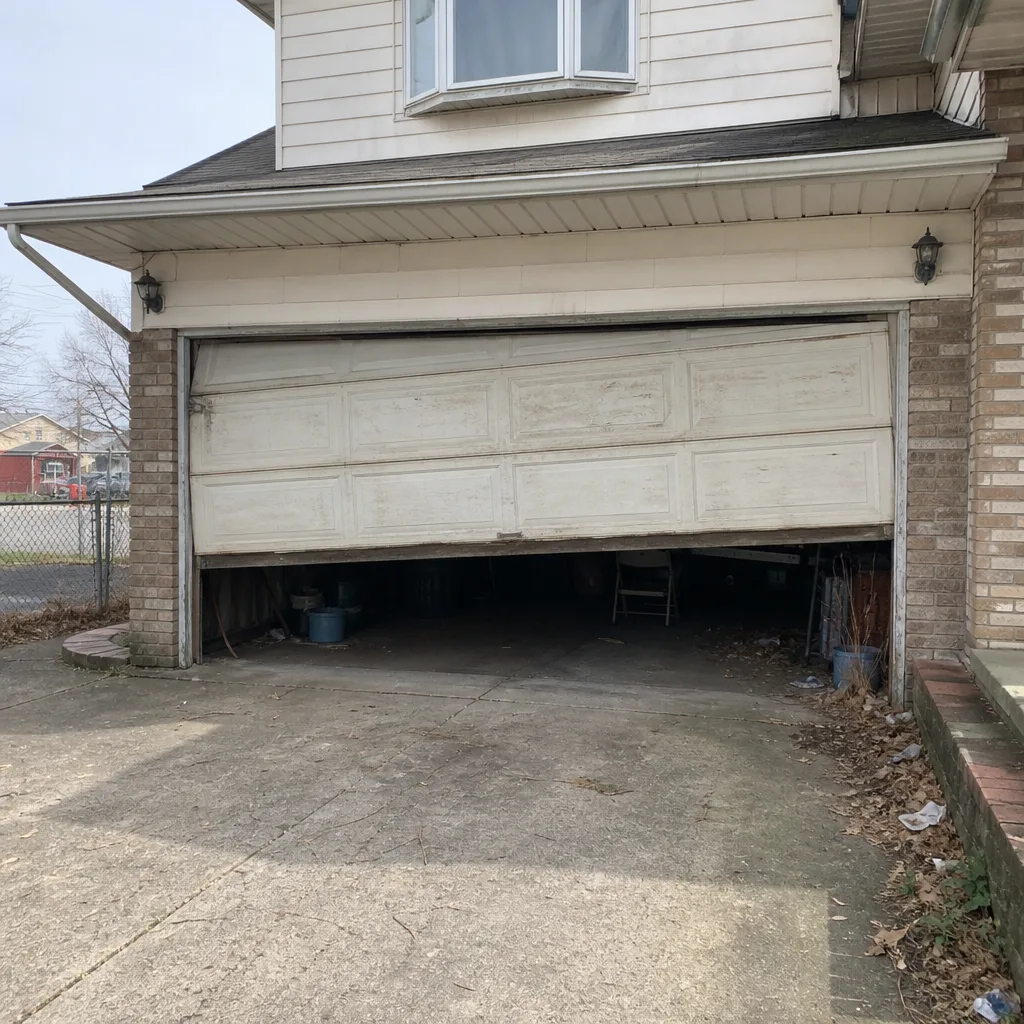 Before
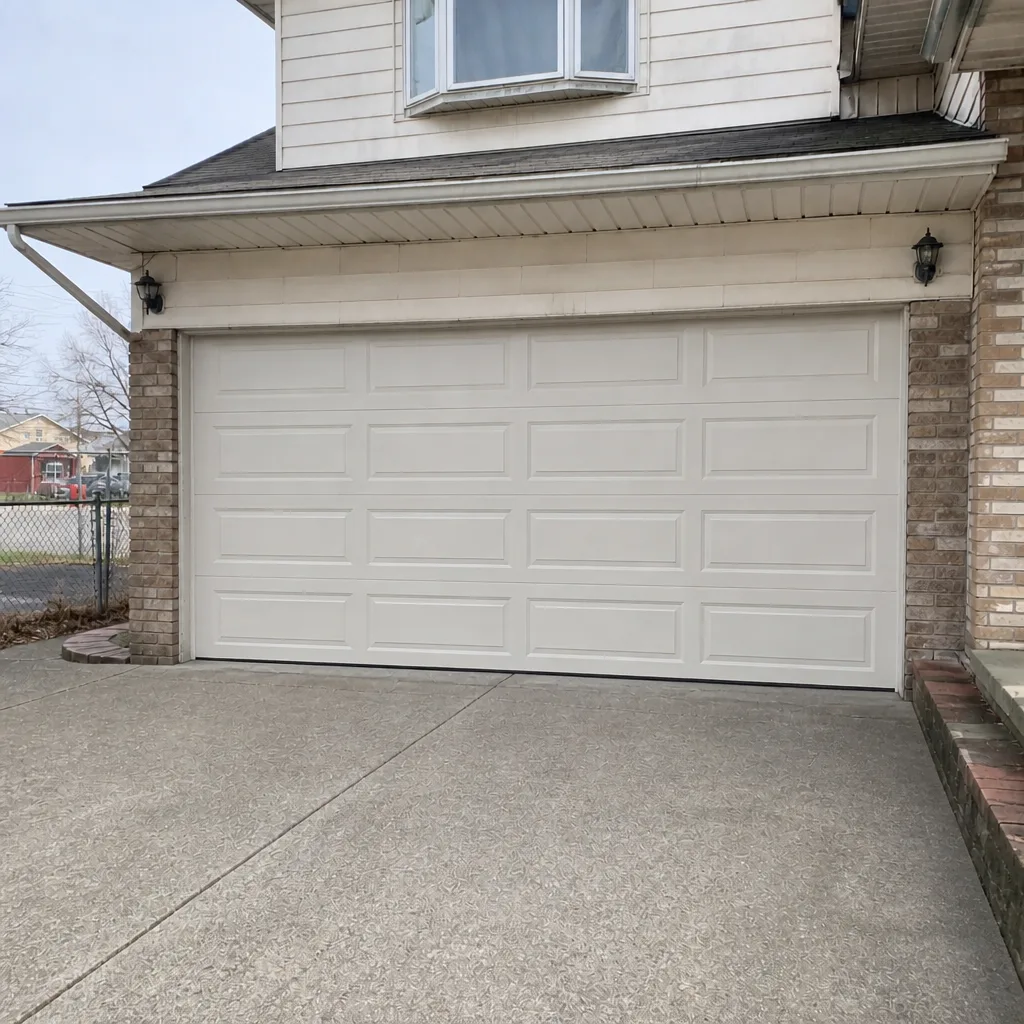 After
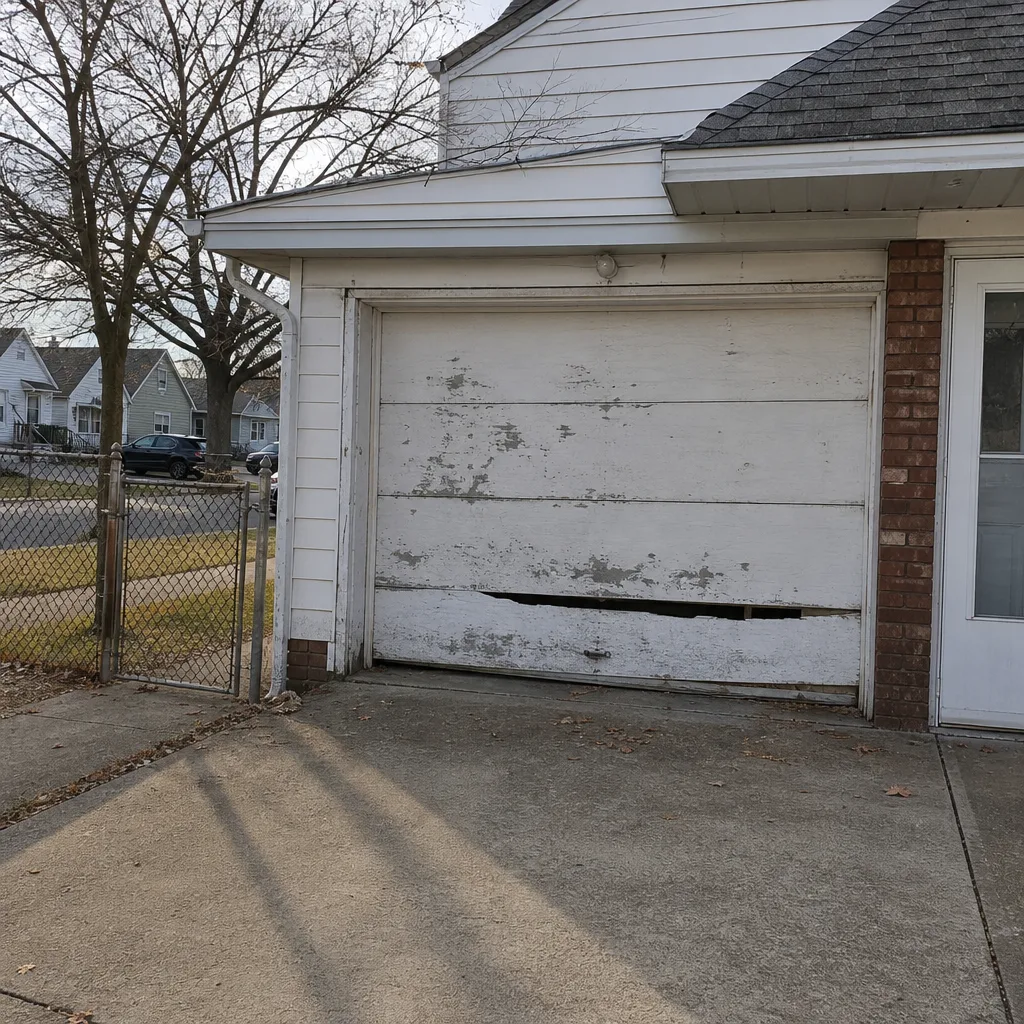 Before
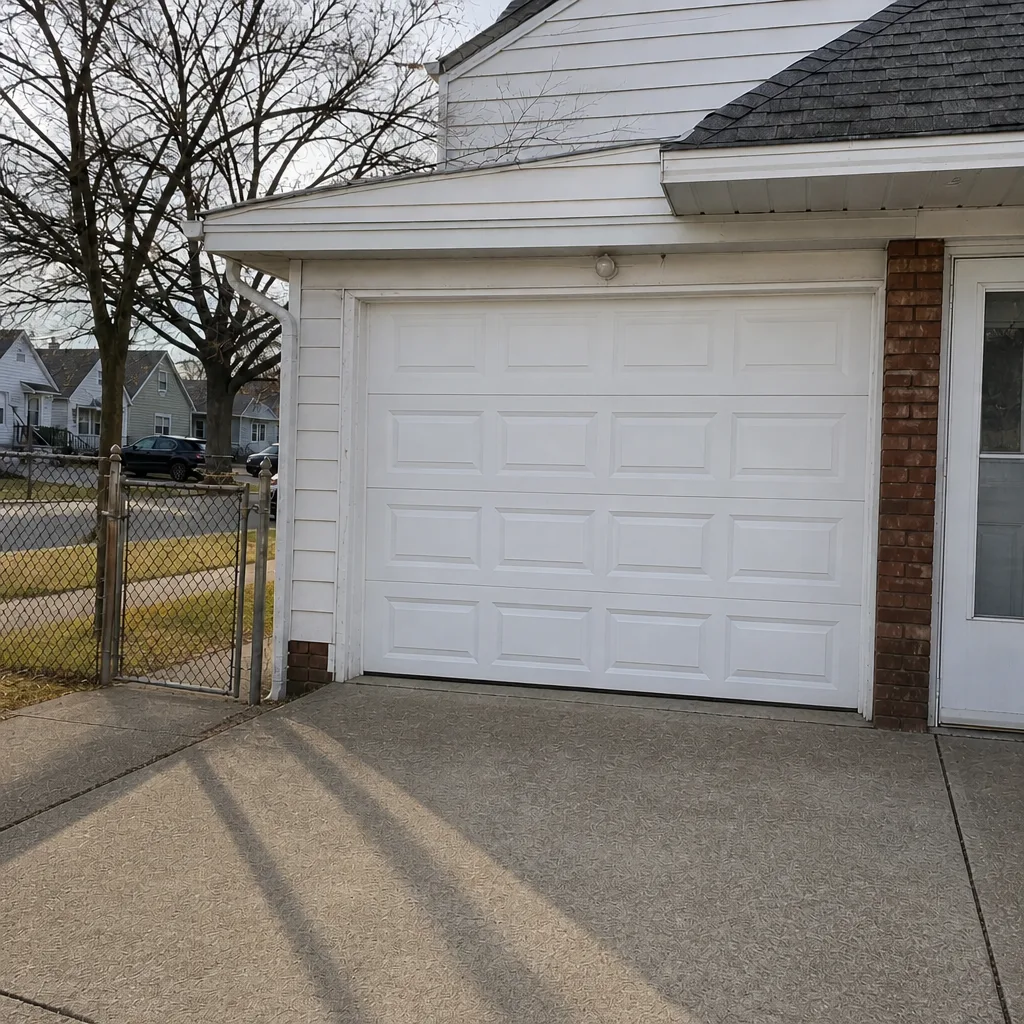 After
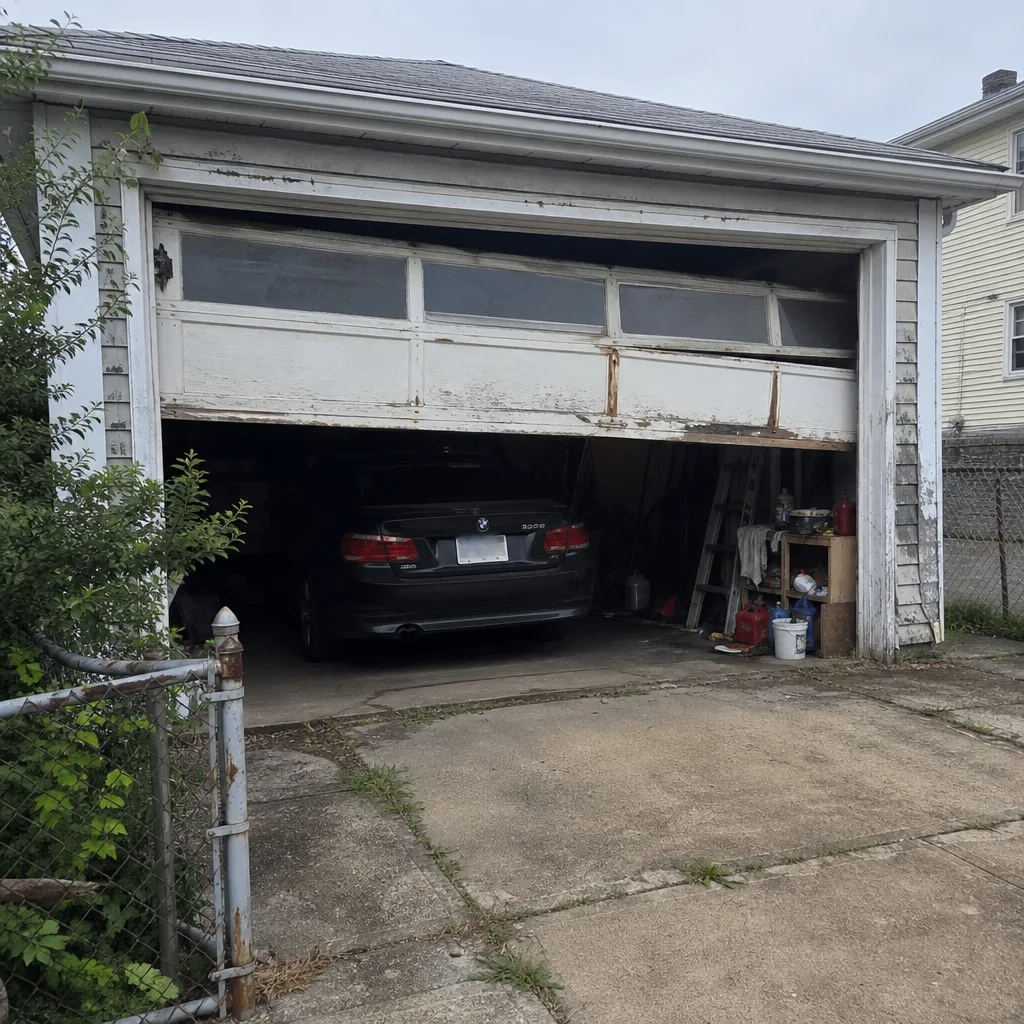 Before
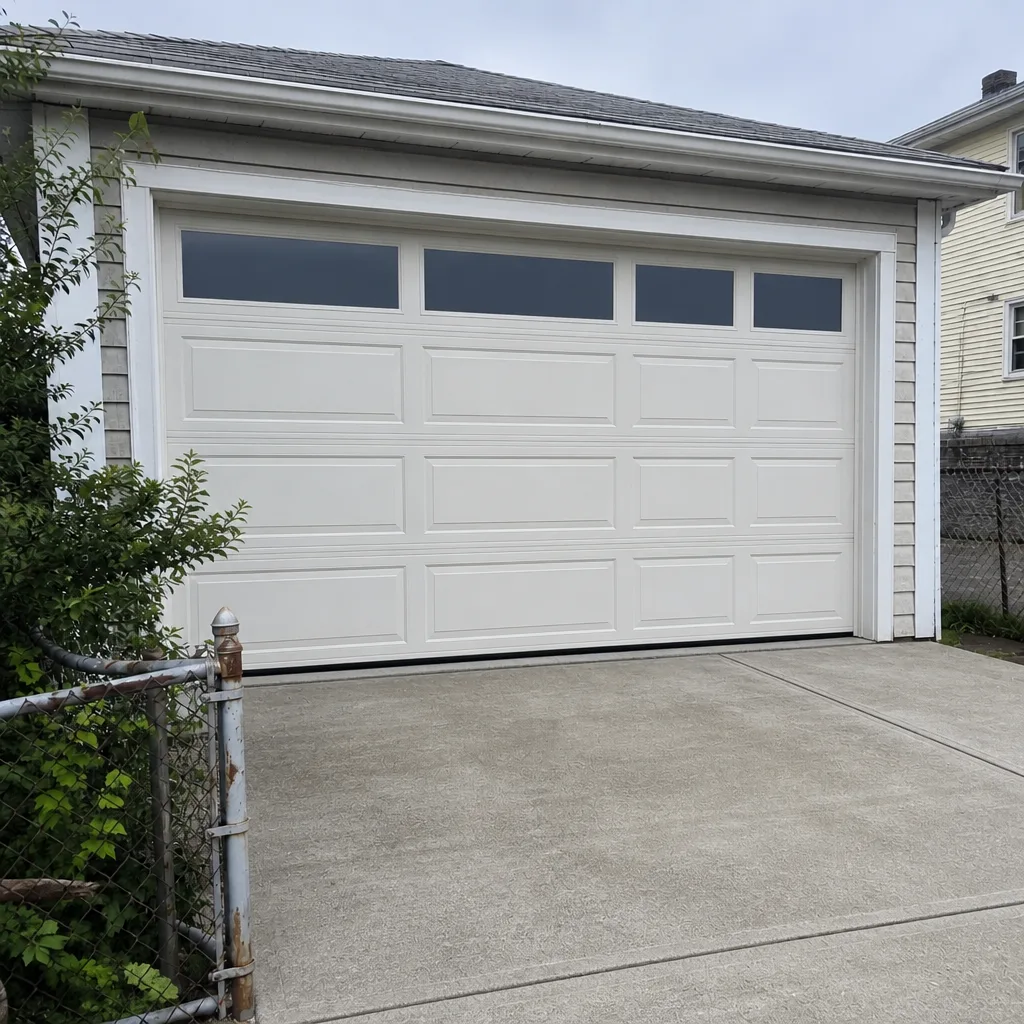 After
When to Call a Professional
If the spring is visibly broken, the door is off its track, a lift cable has come loose, or a car is jammed under a door with a broken spring, call. Those are not homeowner procedures. If the opener runs but the door doesn’t move correctly, or the door runs but the opener keeps stopping and reversing, that’s also a professional call because it involves the force and travel settings on the motor unit. If the Canarsie block flooded and any part of the opener or track went under, get the whole system inspected before you use it again. Garage Door Repair Canarsie can work on the door and opener across eight major brands, including LiftMaster, Chamberlain, Genie, Clopay, Amarr, Wayne Dalton, Craftsman, and Raynor. Emergency garage door service is available for the failures that compromise security or access, and our door installation capability means if the door is past repair, we handle the full replacement, so you’re not calling a second provider.
Frequently Asked Questions
Pull the red manual release cord to disengage the opener, then lift the door slowly from the bottom center and stop at head height to confirm the door is balanced. Only do this if the spring is intact. If you aren’t sure, don’t pull the cord; call (844) 443-4493.
Keep the door in place and don’t touch the manual release or try to lift it. A door with a broken spring is very heavy and unbalanced. Keep people and pets away from the door and call for emergency garage door service; our spring repair is handled in-house, and estimates are free.
Yes, if the track isn’t bent. Lower the door as far as it will go, block the opening from inside with a board against the door face rather than in the track, and use the door’s own manual lock if it has one. Call (844) 443-4493 if the door won’t come down or the track is damaged.
Check the opener motor unit for a battery compartment or battery LED indicator; many LiftMaster and Chamberlain models include it. If yours has it, test the battery and replace it on a schedule so it’s ready during an outage. If it doesn’t have backup, plan to use the manual release, and call (844) 443-4493 to ask about opener repair or replacement.
Stop the opener, get people out of the car if they can leave safely, and don’t back the car out fast. If the spring is intact, disengage the opener and two adults can lift the door a few inches. If the spring is broken, don’t lift; call (844) 443-4493 for emergency service.
Not until the system has been inspected. Don’t run the opener until the track, rollers, bottom seal, and motor have been checked, because water carries grit into the moving parts. If the motor or track was submerged, call (844) 443-4493 for an inspection and a free estimate, or plan a garage door installation if the damage is past repair.
The Bottom Line
Garage door emergencies aren’t solved by stockpiling parts. They’re solved by knowing what to do before the emergency. That means confirming the red release cord works and is reachable, checking whether your spring is intact before you ever touch the release, checking your LiftMaster or Chamberlain opener’s battery backup, and knowing what not to do after a Canarsie flood. Run the five-minute audit now. Save (844) 443-4493 in your phone under something you’ll find at 2 a.m. That way the next emergency is a procedure you’ve rehearsed, not a decision you have to make cold. And if you’d rather have a professional look at the door and opener before the next storm, call Garage Door Repair Canarsie for a free estimate.
Written by the team at Garage Door Repair Canarsie.