Last updated November 21, 2026
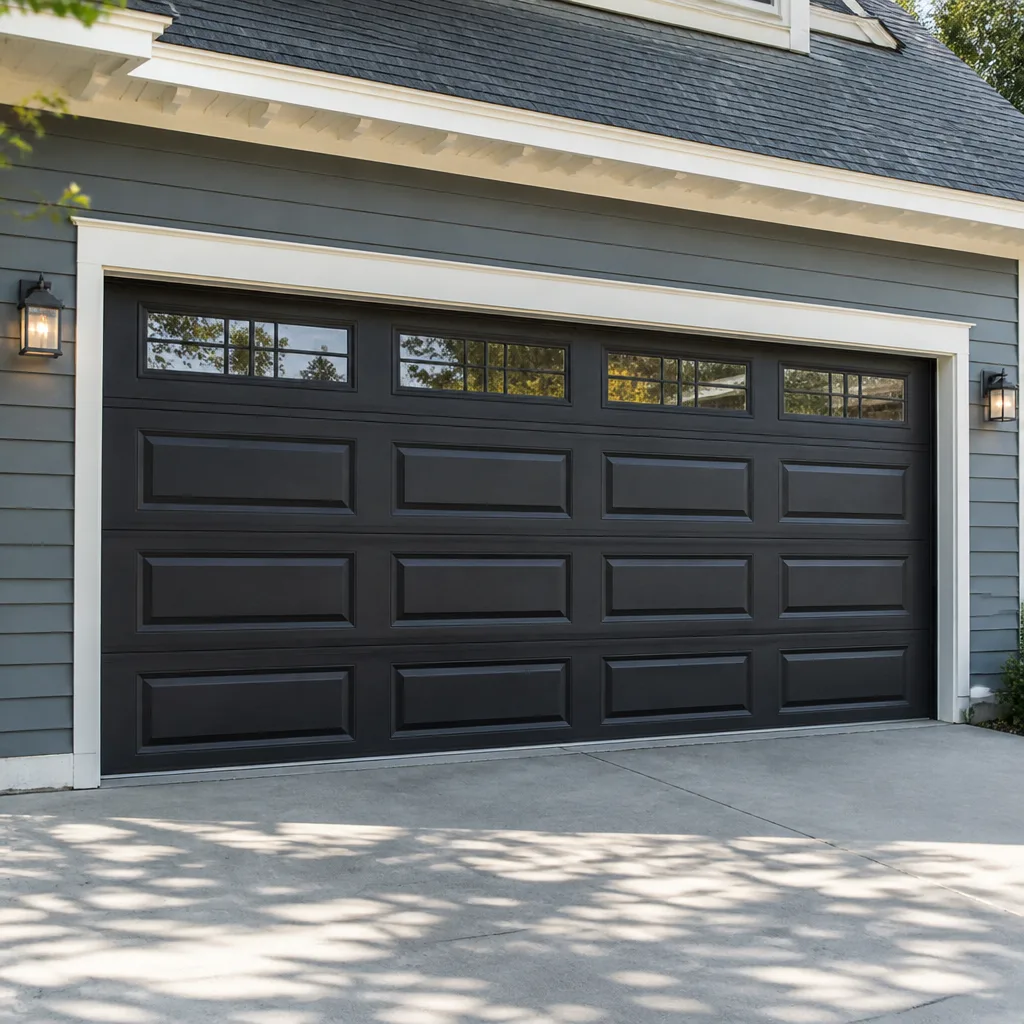 Raised-panel steel
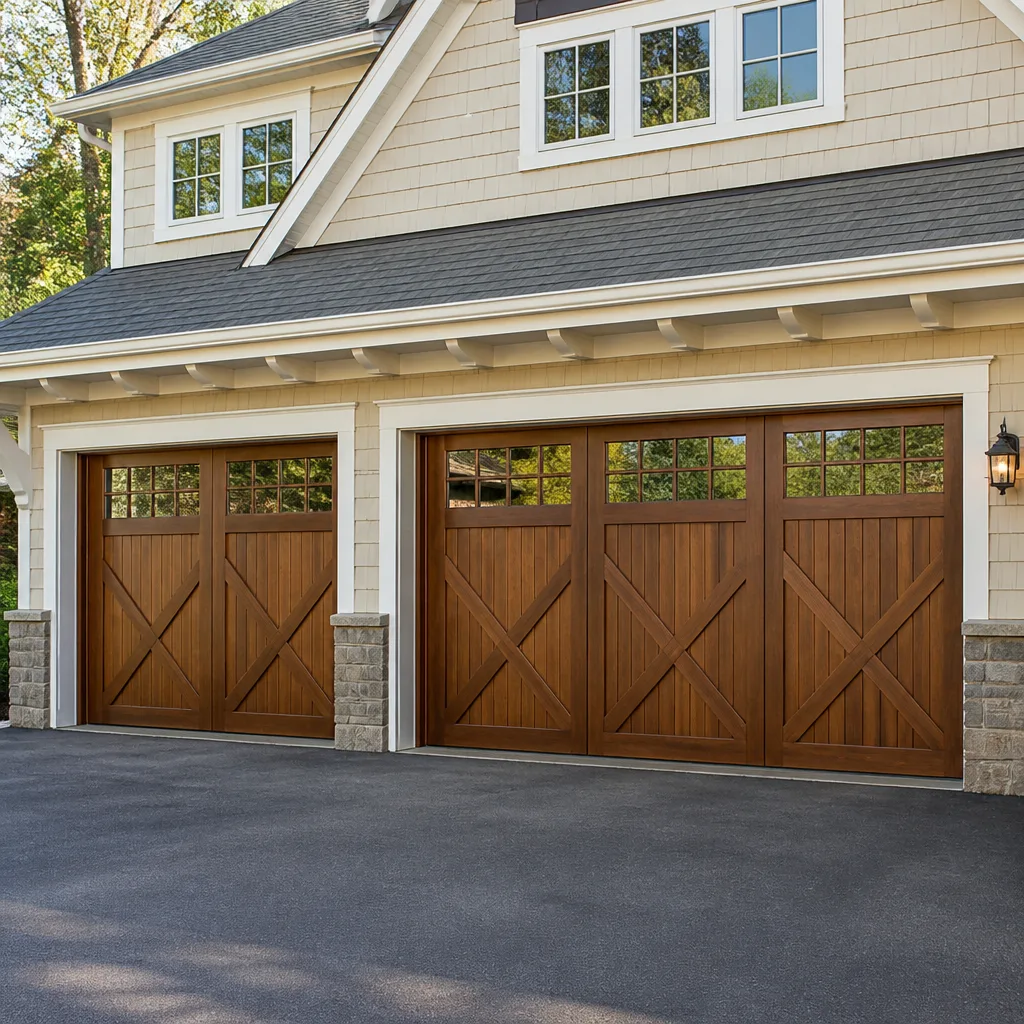 Carriage house
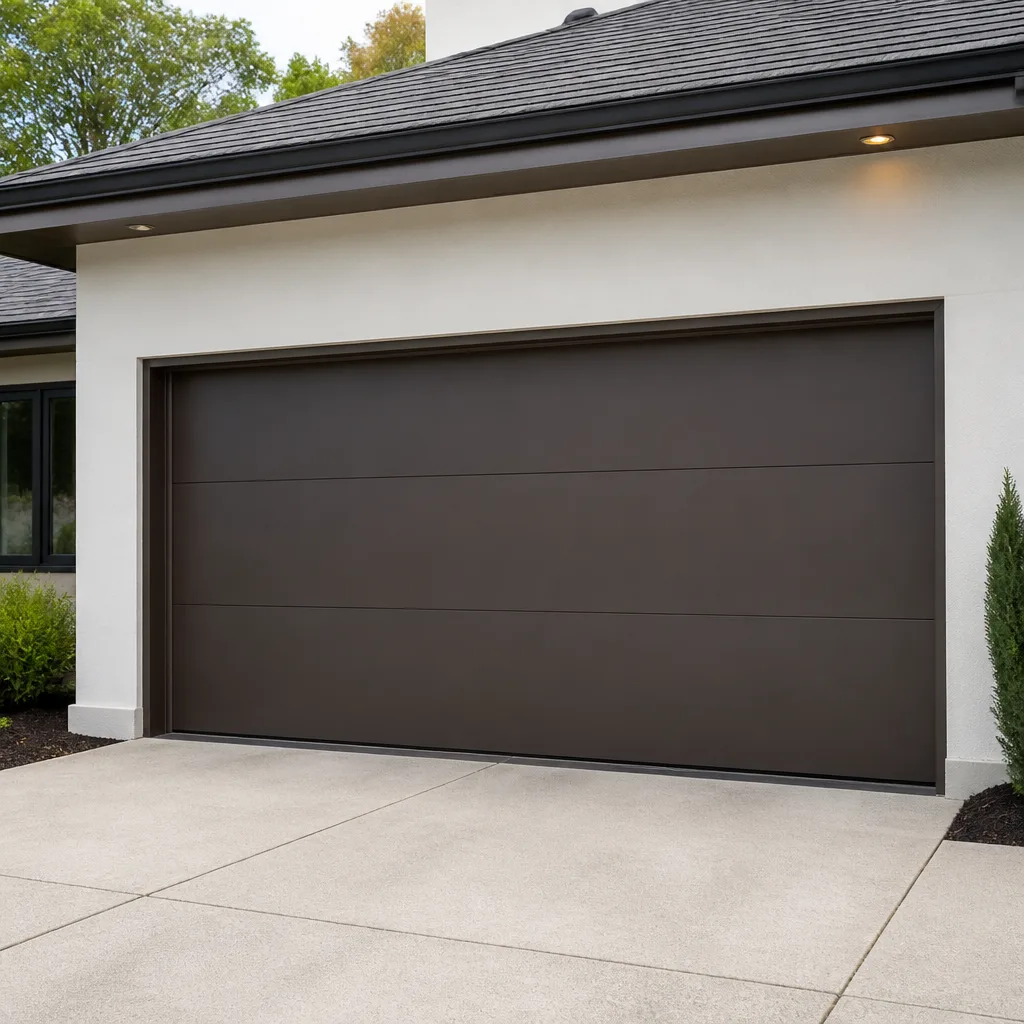 Modern flush
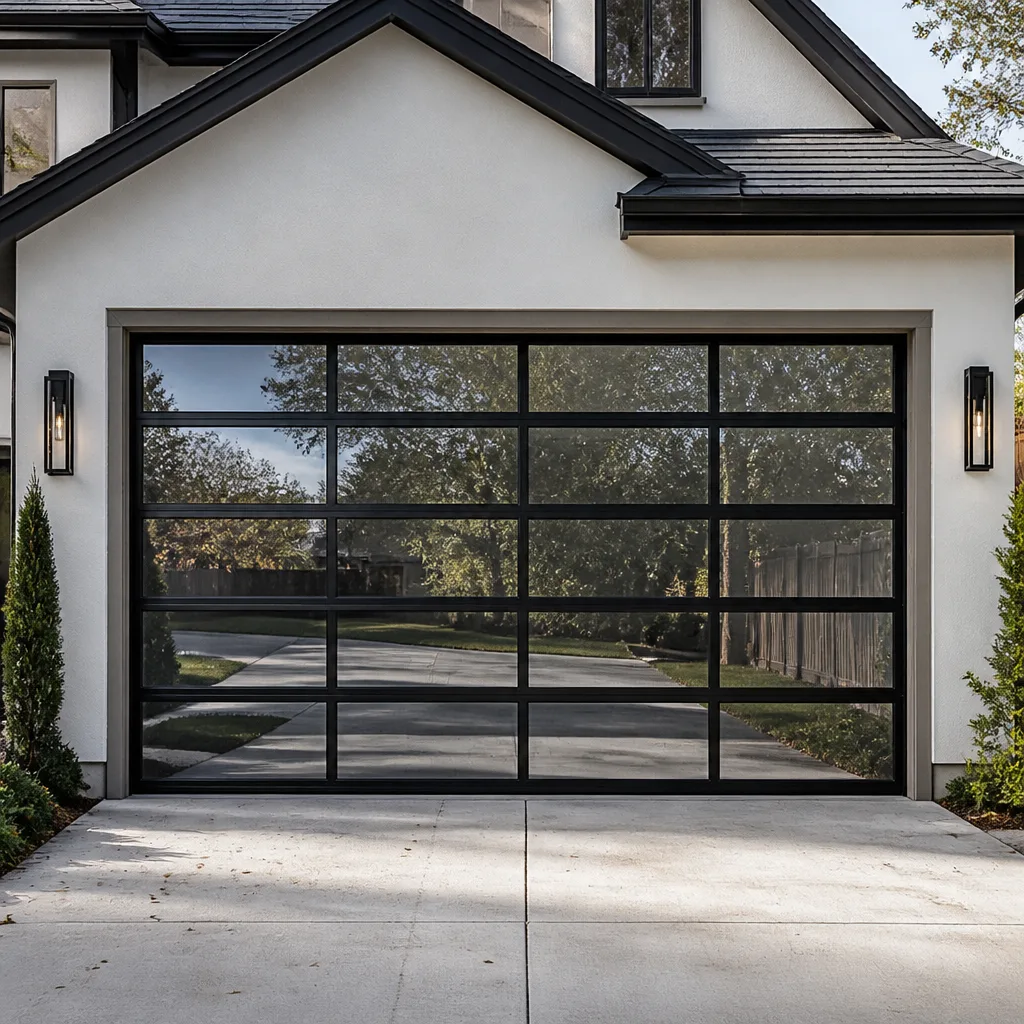 Full-view glass
 LiftMaster openers
 Chamberlain openers
Full 25-point door and opener safety check with every visit - springs, cables, rollers, tracks, and your LiftMaster or Chamberlain opener included
You get a price before we start. It does not change when the pro arrives.
Get your free estimateGarage Door Repair Maintenance Schedule: What to Do and When
Most garage door maintenance advice is built on the calendar, and that’s the first thing to throw out. A six-month checkup means nothing if your door cycles eight times a day. The bolt you should tighten every 500 cycles costs about thirty cents. The broken torsion spring you’ll pay $200 or more to replace after skipping that check is what sits on the other end of that neglect. Cycle count and seasonal stress are the real maintenance triggers, not the date on the wall. This guide replaces the generic schedule with a usage-based framework for Canarsie homeowners: how to estimate your annual cycles, what thresholds trigger which service, and how our humid summers, freeze-thaw falls, and winter cold each stress a different part of the system.
Quick Answer
A garage door should be serviced based on how many times it opens and closes, not how many months have passed. Most Canarsie households run roughly 1,000 to 1,500 cycles a year, which means lubrication every 500 cycles, a balance and safety-reverse check every 1,000, and a full professional inspection around 5,000 cycles or whenever the door gets noisy, jerky, or slow. A typical torsion spring is rated for roughly 10,000 cycles, so regular cycle-based care is what gets you there safely.
Styles & brands we work with
- Raised-panel steel
- Carriage house
- Modern flush
- Full-view glass
- LiftMaster openers
- Chamberlain openers
Table of Contents
- Why Cycle Count Beats the Calendar
- How to Estimate Your Annual Cycles
- Service Thresholds: What Each Cycle Count Triggers
- Canarsie’s Four Seasonal Stress Points
- Brand-Specific Lubrication Requirements
- Three Tasks That Void Manufacturer Warranties
- Building a Maintenance Log That Helps a Technician
- Common Mistakes to Avoid
Why Cycle Count Beats the Calendar
A garage door is a wear machine, and wear is driven by use. Every open-and-close is one cycle. Springs fatigue, rollers flatten, hinges loosen, and cables fray in proportion to cycles, not to the passage of six tidy months. Two homes on the same Canarsie block can be a world apart: one door cycles four times a day, the next cycles fifteen because a household runs a home business or a delivery driver parks in the driveway. A calendar schedule tells both of them the same thing, and for one of them it’s wrong.
We’ve seen what happens when cycle math gets skipped. A door that’s cycled twelve thousand times on a torsion spring rated for ten thousand will eventually fail, usually without warning. The spring gives out mid-cycle, the door drops hard, and whatever was under it at the time is now a problem. That kind of failure doesn’t come from one lazy season; it comes from a system that was never checked against its own wear clock.
So the schedule below is organized around thresholds. Each threshold is a cumulative count of cycles, not a month. If you track your cycles, you’ll know when to act before the door tells you the hard way. If you don’t track them, the first section below shows you how to estimate. Either way, this is the framework that actually prevents failures in Canarsie, where humidity, salt-free but humid summers, and cold snaps all add stress on top of plain old use.
What a “cycle” actually is
One cycle equals one full opening plus one full closing. That counts a door that opens, stays open for two hours while the car is out, and closes once. It also counts a door that opens, someone forgets something, closes, opens again, closes again. Short back-and-forth trips burn cycles faster than anyone expects. If your household does that, your wear clock is running hotter than you’d guess, and the threshold below arrives sooner.
How to Estimate Your Annual Cycles
You don’t need an app to estimate annual cycles. A quick count over a typical week gets you close enough to plan maintenance.
- Count trips per day. Think about a normal weekday. How many times does a car leave and return? Add deliveries, school runs and evening errands. A quiet two-driver household often runs four to six daily trips. A busier one can run eight to ten, and home-based work can push it higher.
- Multiply by two. Each trip is one open plus one close, so double your daily trip count to get your daily cycles.
- Multiply by seven, then by 52. That gives your annual estimate. A four-trip household lands around 2,900 cycles a year. A six-trip household lands near 4,400.
- Add extra-cycle events. Trash runs, kids’ bikes, a second car, seasonal guests. Rough in a modest allowance if yours is a busy home in Canarsie.
- Round up. It’s better to service early than late. If you’re unsure between two numbers, use the higher one.
For most Canarsie households, a working figure sits in the 1,000 to 1,500 cycles a year range for quieter homes, up to roughly 3,000 to 4,500 for busier ones. That spread matters. A six-month calendar check might mean “too early” for one and “too late” for another. Cycle estimate is what puts the appointment in the right place.
Common cycle drivers in Canarsie
- Driveway parking and shared households – multiple cars move through a door, and cycles add up fast.
- Home deliveries – a delivery at the door often means the door opens and closes again for one package.
- Weather-driven short trips – in cold snaps and heavy rain, people drive more than they walk, adding short-cycle traffic.
- Kids and bikes – a bike that goes in and out three times after school is nine cycles a day.
Service Thresholds: What Each Cycle Count Triggers
Here’s the schedule. Match your cumulative cycles to the row below and do the task. If you don’t have a running count, start one today with your best annual estimate and add to it as weeks go by.
- Every 500 cycles: Lubricate the torsion spring, hinges, rollers, and tracks with a garage-door-rated lubricant. Tighten the hinge bolts and check the roller stems. This is the thirty-cent-bolt territory: cheap, fast, and the single best way to avoid a much bigger repair.
- Every 1,000 cycles: Test the safety reverse. Put a small block of wood under the door path and close it. The door should stop and reverse. If it doesn’t, stop using the opener until it’s fixed. Also check the balance: with the opener released, the door should lift to halfway and hold there on its own.
- Every 2,500 cycles: Inspect cables for fraying and kinks, examine spring tension by eye (no touching), and check the door’s horizontal travel for binding. If the door shudders or hesitates, book a repair visit.
- Every 5,000 cycles: Schedule a professional inspection. A trained technician will check spring wear, opener gear and rail, bearings, and photo-eye alignment. This is the threshold where our Garage Door Repair Canarsie team typically catches problems that a homeowner can’t see.
- Around 10,000 cycles: Most torsion springs are rated near this figure. Plan for spring replacement at or before this point rather than waiting for a failure. A matched pair is usually replaced together, not one at a time.
For a Canarsie home running roughly 1,000 cycles a year, that’s a lubrication about every six months and a professional inspection around every five years. For a 3,000-cycle household, lubrication lands three or four times a year and inspection every year and a half. The counts tell you the calendar; the calendar doesn’t tell you the counts.
Canarsie’s Four Seasonal Stress Points
Cycles aren’t the whole picture. Weather adds stress on top, and it hits different parts in different seasons. Here’s how a Canarsie year lines up with maintenance tasks.
Late spring and summer: humidity and lubrication slowdown
Warm, humid air makes lubrication more critical, not less. Grease thins and migrates, tracks pick up grit, and rollers can start to squeak. Summer rain and humidity also work on wood panels of older doors, if you have one. The task here is a fresh lubrication pass on the spring, hinges and rollers, plus a wipe-down of the tracks so grit doesn’t grind into the rollers. This is the season to look at the bottom weather seal too; heat and humidity soften it and let water creep in.
Late fall: freeze-thaw tension changes
As temperatures drop, metal contracts. Cables can change tension, and torsion springs behave differently in cold. The task here is a balance test before the deep cold settles in, plus a visual cable check. If the door feels heavier or the opener strains, that’s cold-weather tension talking. This is also the season to test the door’s auto-reverse once more, because a door that moved freely in October can bind at the end of its travel by November.
Winter: lubrication breakdown in cold
In cold snaps, many lubricants thicken. A door that’s smooth at 40 degrees can start to grind at 20. The task is to use a cold-rated garage-door lubricant, not ordinary household oil, and to re-apply on hinges and rollers before the first hard freeze. Cold also stresses the opener’s motor as it fights stiff grease, so winter is when a struggling opener tends to reveal itself. If you use a garage door opener repair specialist in the dead of winter, that’s normal: cold finds the weak point.
Early spring: thaw, humidity return and full-system check
The thaw reveals what winter did. This is the season for a full inspection pass: springs, cables, hinges, rollers, and the door’s balance and travel. If anything was damaged by ice or cold, now is when it shows. It’s also the moment to check the bottom seal again and confirm the photo-eyes are clear of dirt and debris after months of grit.
Our technicians have up to 14 years of experience watching Canarsie seasons work on local doors. The pattern is consistent: a door that gets a fresh lubrication before the first freeze and a balance check after the thaw avoids most seasonal failures.
Brand-Specific Lubrication Requirements
Not every door system wants the same lubricant. Generic guides flatten this, and that’s where small mistakes creep in.
LiftMaster and Chamberlain chain drives
Chain-drive openers from LiftMaster and Chamberlain pick up grime on the chain and rail. The chain wants a light, clean lubricant, not a heavy grease that attracts dust. A dry or specially formulated chain lubricant, applied sparingly, keeps the chain quiet and the drive smooth. Over-oiling a chain gathers grit, and grit wears the sprocket. For the torsion spring and hinges on the same door, use a garage-door-rated lubricant, not the same product you’d put on a bicycle chain.
Chamberlain belt drives
Belt drives are quieter by design and generally need less attention on the belt itself. The mistake here is over-lubricating. Belts don’t want oil; the rails, hinges and rollers underneath still need their own lubrication, but the belt stays dry. This is where brand knowledge pays off: a technician who knows a Chamberlain belt system knows not to reach for the oil can on the belt.
Wayne Dalton Torquemaster springs
Wayne Dalton’s Torquemaster system uses a different tension arrangement than a standard torsion spring, and the lubrication and adjustment points differ. A generic spring-lubrication routine isn’t the same for a Torquemaster door. Get the door model right before touching it. If you’re not sure which system yours has, that’s a good reason to have a technician look at it, not a reason to guess.
Other doors
Genie, Clopay, Amarr, Craftsman and Raynor doors all have their own specifications, and we service all of them. The principle holds across every brand: identify the system first, then apply the correct lubricant to the correct part. When in doubt, the door’s manual or a technician is the right answer, not a bottle of whatever’s in the garage.
Three Tasks That Void Manufacturer Warranties
Most homeowners don’t know these exist. Manufacturer warranties often carry service requirements, and doing the wrong thing, or skipping the right thing, can void them.
- Adjusting the spring tension yourself. Springs are under tremendous tension. Turning the wrong set screw or letting a winding bar slip can cause a serious injury, and many warranties treat unqualified adjustment as a voiding event. Spring work belongs with a professional.
- Using the wrong lubricant. Some warranties specify the type of lubrication required on moving parts. Heavy grease where a light lubricant belongs, or oil on a belt that should stay dry, can be treated as improper maintenance.
- Ignoring the opener’s service interval. Openers have their own service requirements, and skipping them can affect coverage. The opener is part of the door system, and treating it as an afterthought can cost you.
These aren’t reasons to be nervous, they’re reasons to have the right person do the work. A technician who knows the brand will keep your coverage intact, and our team works on all eight leading brands, including Genie, Clopay, Amarr, Wayne Dalton, LiftMaster, Chamberlain, Craftsman and Raynor.
Building a Maintenance Log That Helps a Technician
A good log turns a service call from guesswork into diagnosis. When you call for garage door repair, a technician who knows your cycles, dates and parts history can often pinpoint the problem faster.
Keep a simple sheet or note on your phone with these columns:
- Date – the day of the service or check.
- Estimated cycles to date – your running count.
- Task done – lubrication, safety test, inspection, repair.
- Part replaced – spring, roller, cable, opener part.
- Notes – noise, binding, slow spots, anything unusual.
- Who did it – you or a technician.
A log like this shows a technician when the last lubrication happened, how many cycles the door has run since, and whether a part has been replaced before. That’s real diagnostic data. It’s the difference between “the door is noisy” and “the door has run about 4,200 cycles since the last spring lube and the noise started two weeks ago.” If your door has had a prior repair, note what was replaced and when. That history travels with the door and helps whoever works on it next, including when you eventually look at garage door installation for a door that’s reached the end of its service life.
Common Mistakes to Avoid
- Treating the calendar as the schedule. A six-month checkup misses the mark for both a light-use and a heavy-use door. Track cycles instead, and let the count set the date.
- Skipping lubrication because the door sounds fine. A quiet door still wears. Lubrication every 500 cycles is cheap insurance against a grinding roller or a stiff hinge later.
- Using the wrong lubricant. Household oil, WD-40, and heavy grease all cause problems on garage doors. Use a garage-door-rated lubricant, and keep belts dry.
- Ignoring the safety reverse test. A door that fails to reverse is a serious safety risk, especially in a household with children or pets. Test it every 1,000 cycles.
- Touching the springs yourself. Spring tension is not a do-it-yourself job. The winding bars can slip with enough force to cause serious injury. Leave it to a technician.
- Waiting for a failure before calling. A door that shudders, binds, or slows down is telling you something. Catch it before the spring gives out mid-cycle.
- Skipping the log. Without a log, every service call starts from zero. With one, a technician can work from real history and often save you time and money.
See the difference
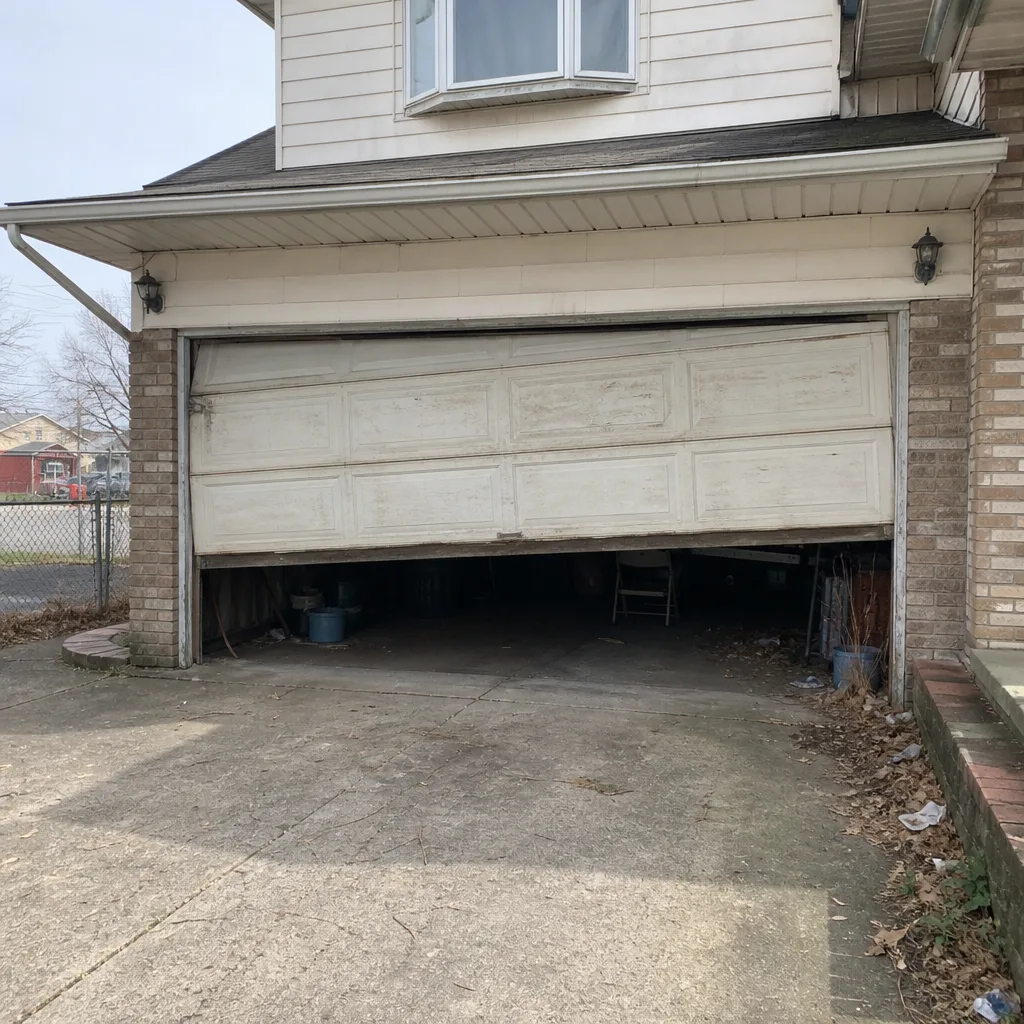 Before
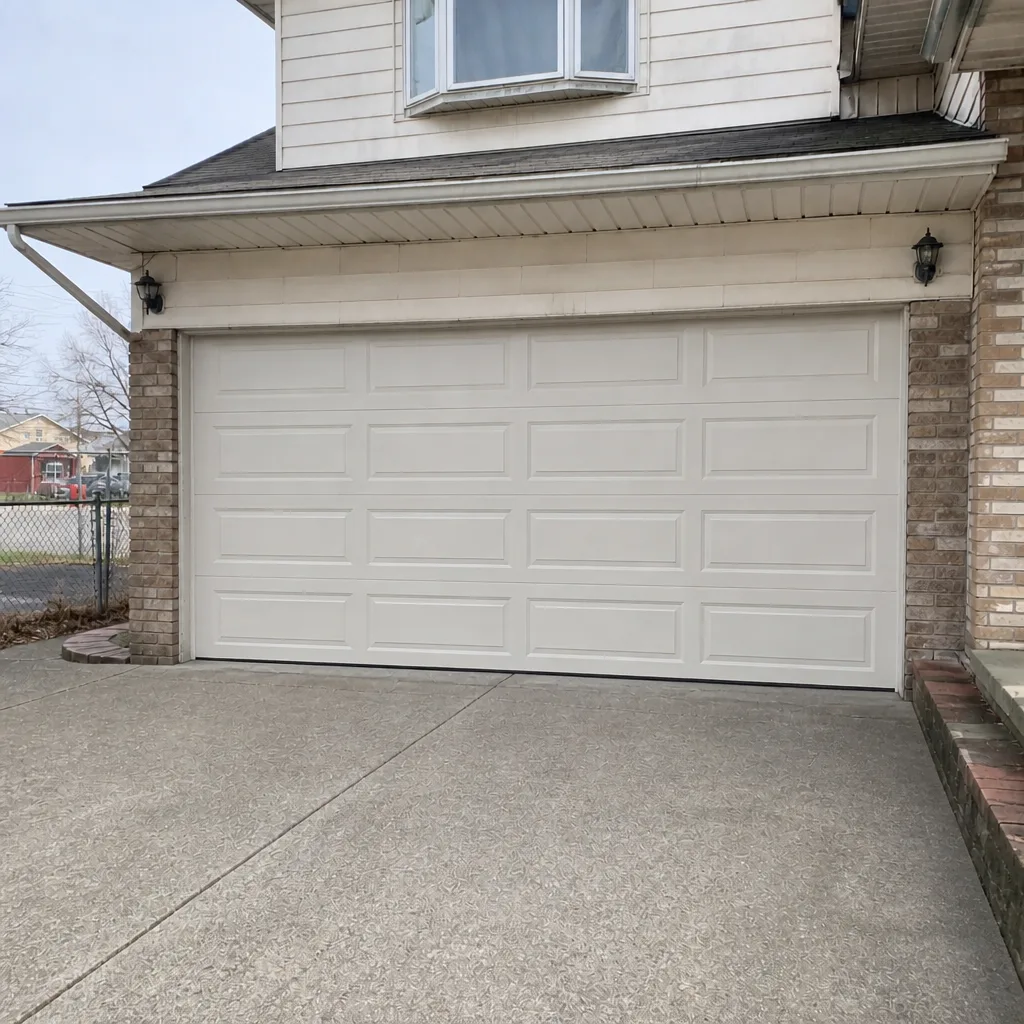 After
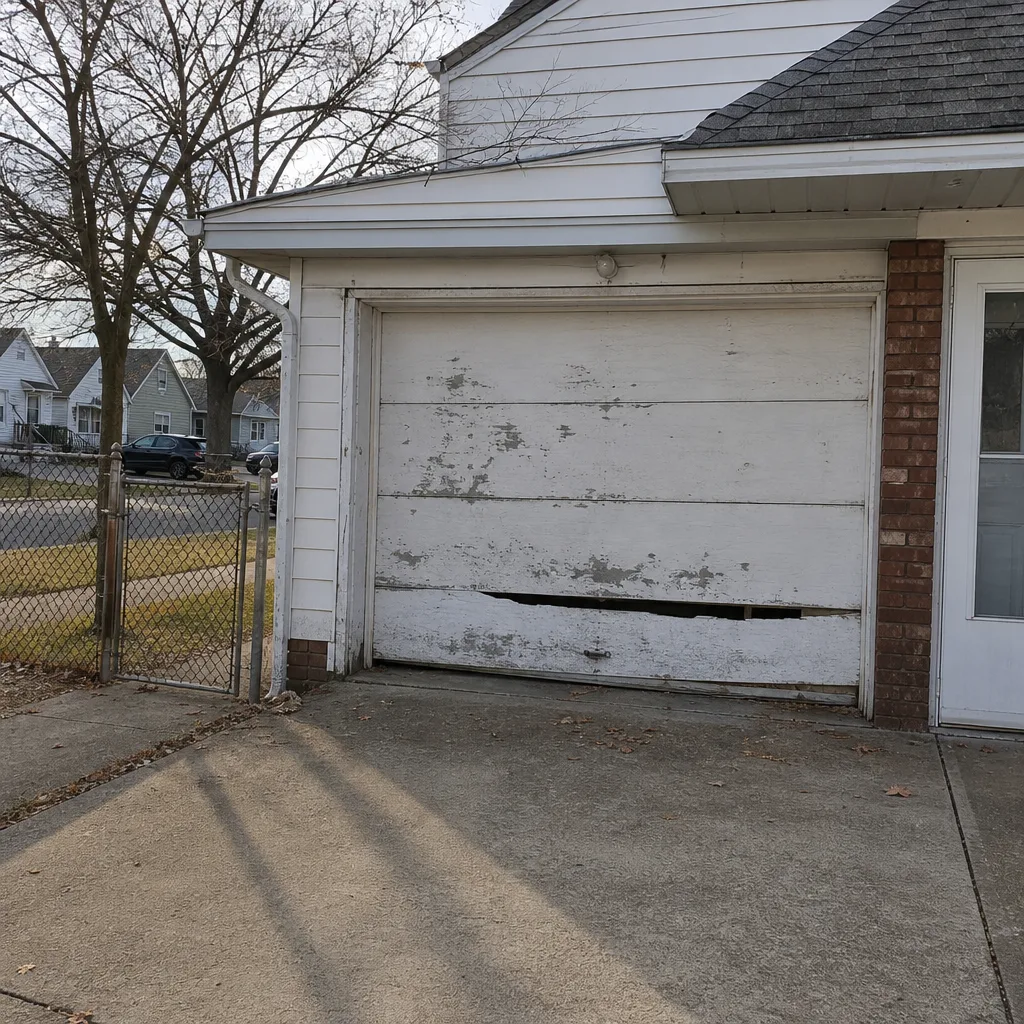 Before
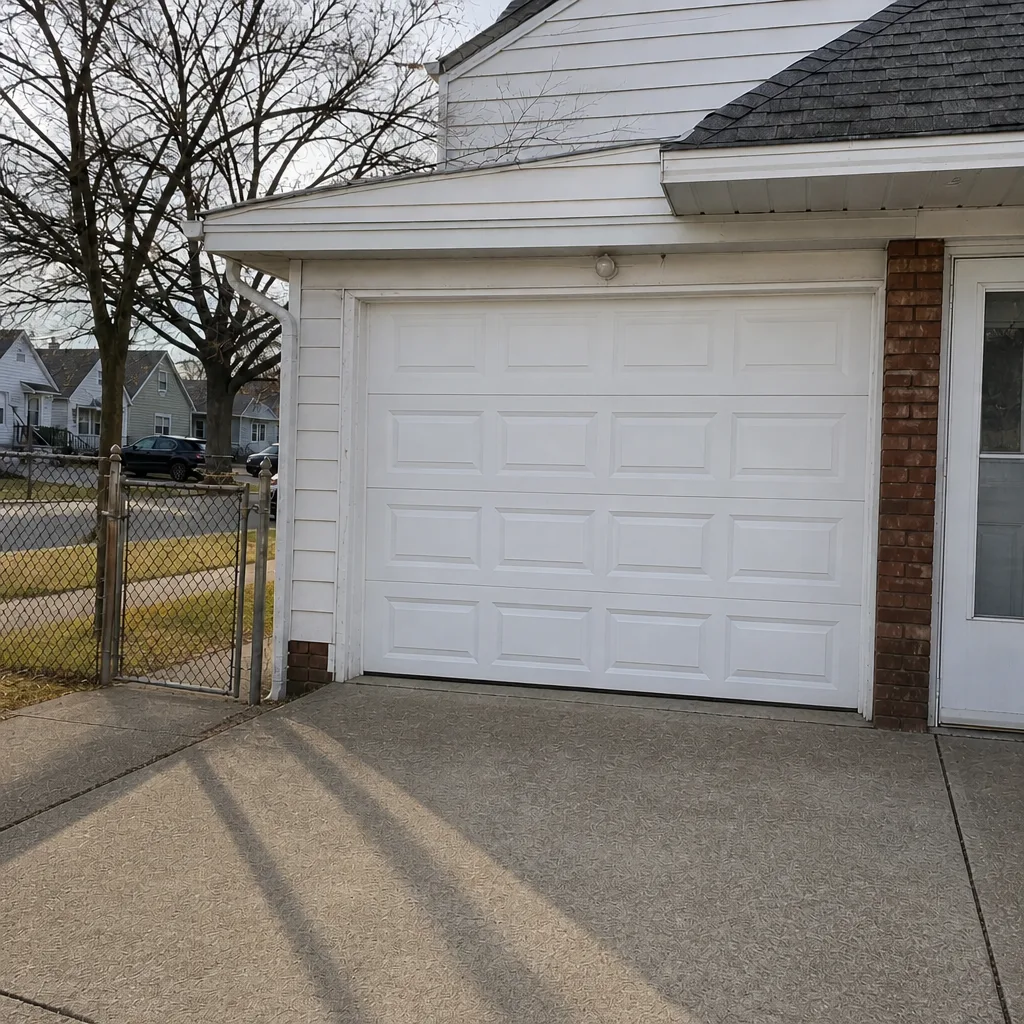 After
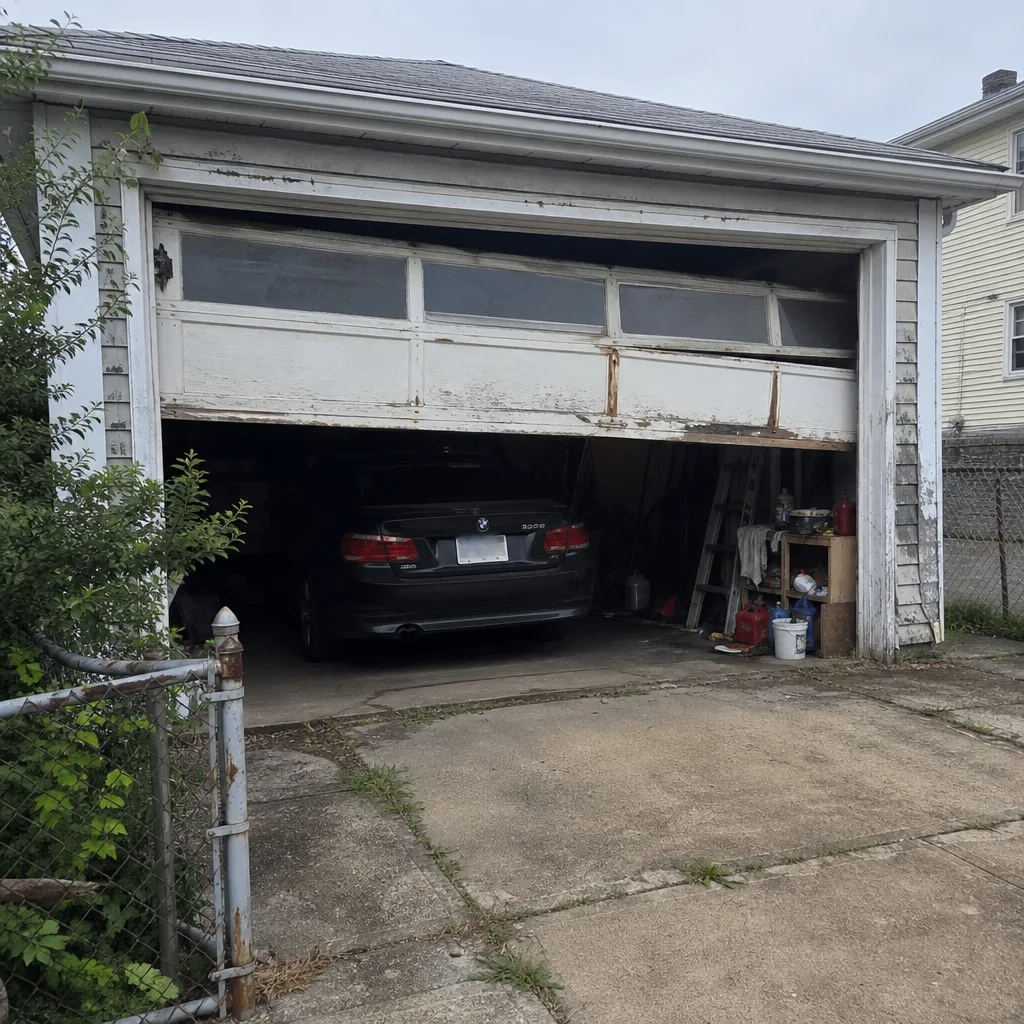 Before
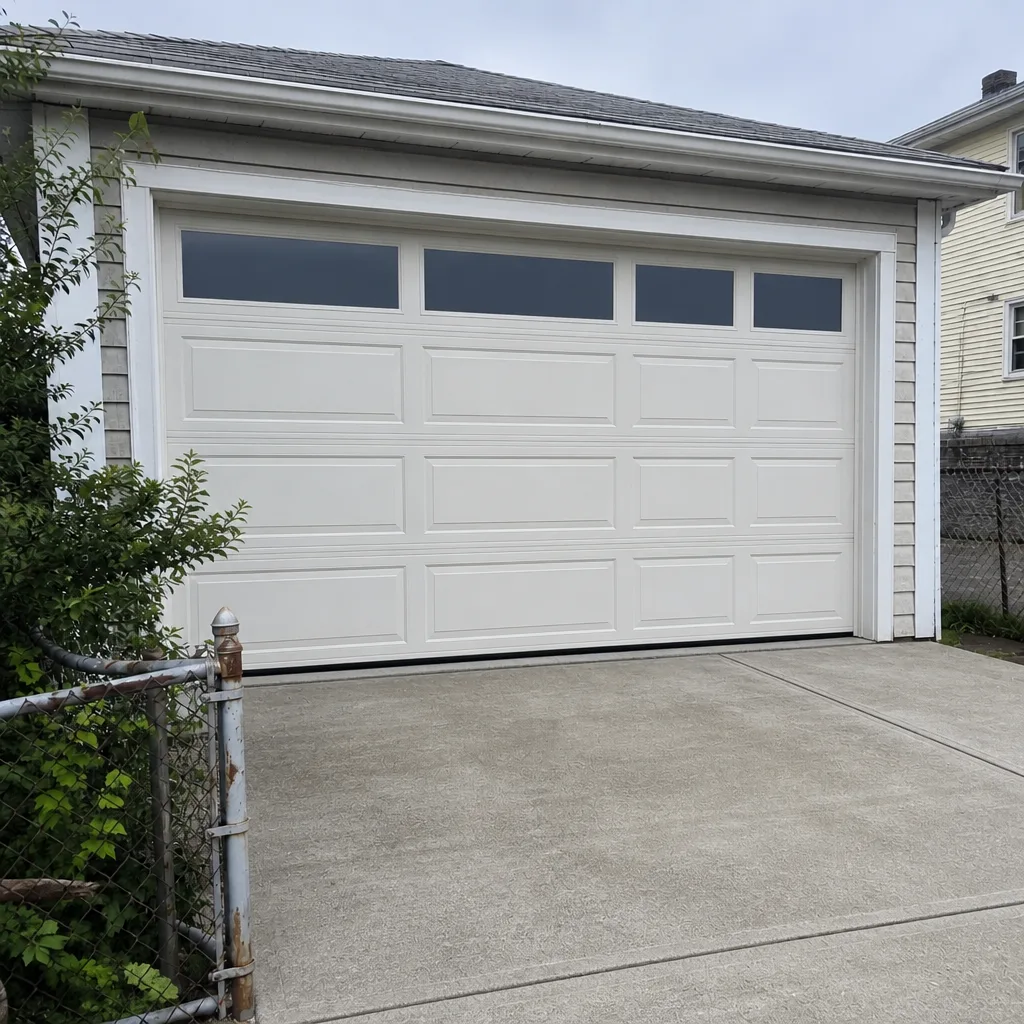 After
When to Call a Professional
Some maintenance is yours to do: lubrication, visual checks, the safety reverse test. Some isn’t. Call a professional when the door won’t stay balanced, when you hear a loud snap from the spring area, when the door binds or comes down unevenly, when a cable is frayed or hanging, or when the opener strains or reverses on its own. If a spring has broken, stay off the door and keep it closed if you can; the system is under tension until it’s serviced. Garage Door Repair Canarsie offers free estimates in Canarsie, and our team works on every major brand. Call (844) 443-4493.
Frequently Asked Questions
Service it based on cycles, not months: lubricate every 500 cycles, test the safety reverse every 1,000, and book a professional inspection around 5,000 cycles. A Canarsie household running 1,000 to 3,000 cycles a year ends up with roughly one to three professional visits per decade, depending on use. Call (844) 443-4493 for a free estimate on a full inspection.
Cumulative cycle count is the biggest driver, followed by seasonal stress: summer humidity, late-fall freeze-thaw tension changes, winter lubrication breakdown, and the early-spring thaw check. A door that gets a fresh lube before the first freeze and a balance check after the thaw avoids most seasonal failures. Our technicians have up to 14 years of experience with these local patterns.
Yes. LiftMaster and Chamberlain chain drives want a light chain lubricant, Chamberlain belt drives should keep the belt dry, and Wayne Dalton Torquemaster spring systems have their own specifications. Genie, Clopay, Amarr, Craftsman and Raynor doors each have their own requirements too. Using the wrong product can void a warranty, which is why the brand matters before anyone reaches for a lubricant.
You can handle lubrication, visual cable checks, and the safety reverse test safely. You should not touch the springs, cables under tension, or opener adjustments that require disassembly. Those are the jobs where a slip can cause serious injury, and they’re the tasks a manufacturer may treat as warranty-voiding if done wrong. Call us for the parts a homeowner can’t safely reach.
Stop using the door, keep it closed if you can, and call for service. A broken spring means the door is no longer counterbalanced, and the opener will strain or fail if you keep running it. Don’t try to move the door by hand if it feels too heavy. Call (844) 443-4493 and we’ll get a technician out to assess it.
A log tells the technician your cycle estimate, the last lubrication date, and what parts have been replaced, which turns a vague “the door is noisy” call into a specific diagnosis. It saves time and often narrows down the problem before the technician arrives. Keep it simple: date, cycles, task, part, notes.
The Bottom Line
The right maintenance schedule for a garage door is cycle count plus season, not the calendar. Lubricate every 500 cycles. Test the safety reverse every 1,000. Book a professional inspection around 5,000 and plan for spring replacement around 10,000. Match the lubricant to the brand, and never touch the springs yourself. For a Canarsie door, add the four seasonal checkpoints: pre-freeze lubrication in late fall, a thaw check in early spring, a humidity lube pass in summer, and a cold-weather balance test in winter. Keep a log, and you’ll catch problems before they catch you. For a free estimate on inspection, repair, or garage door repair, call (844) 443-4493.
Written by the team at Garage Door Repair Canarsie.