Last updated November 21, 2026
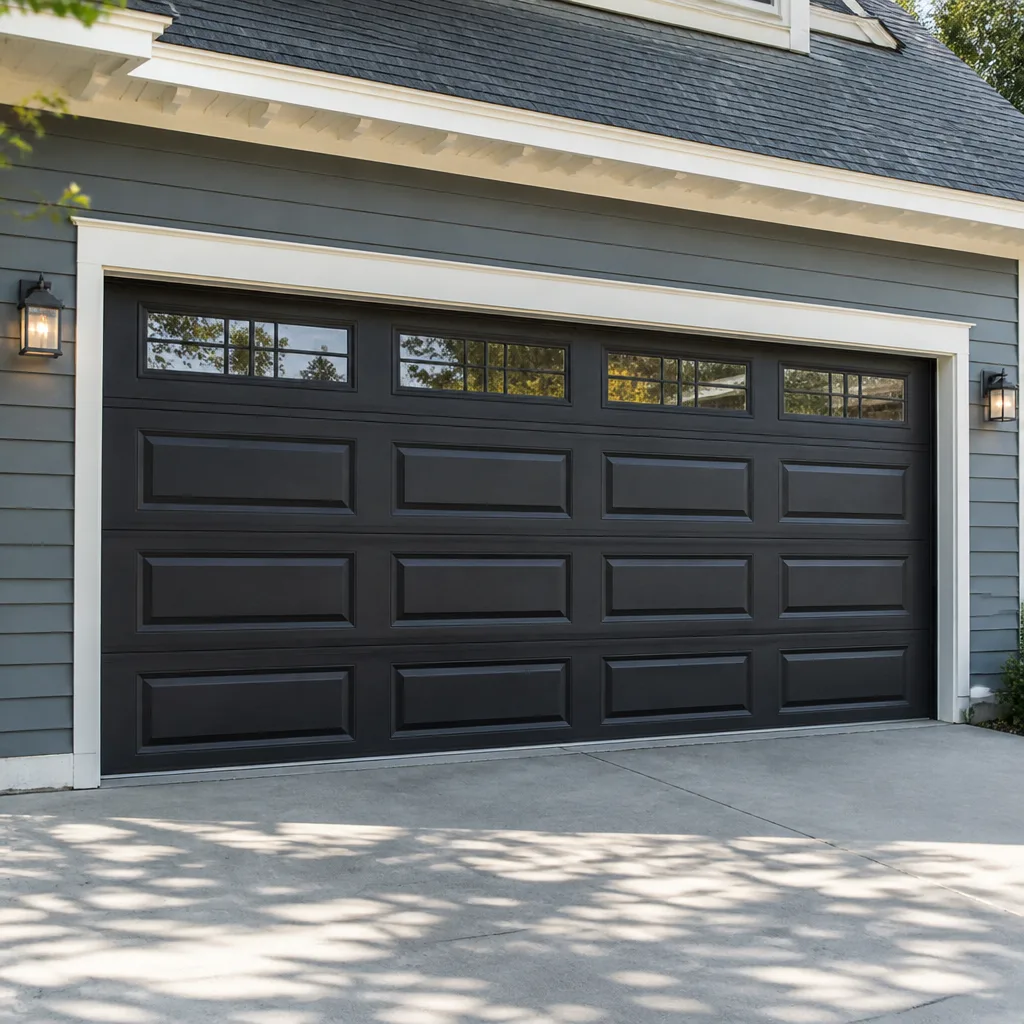 Raised-panel steel
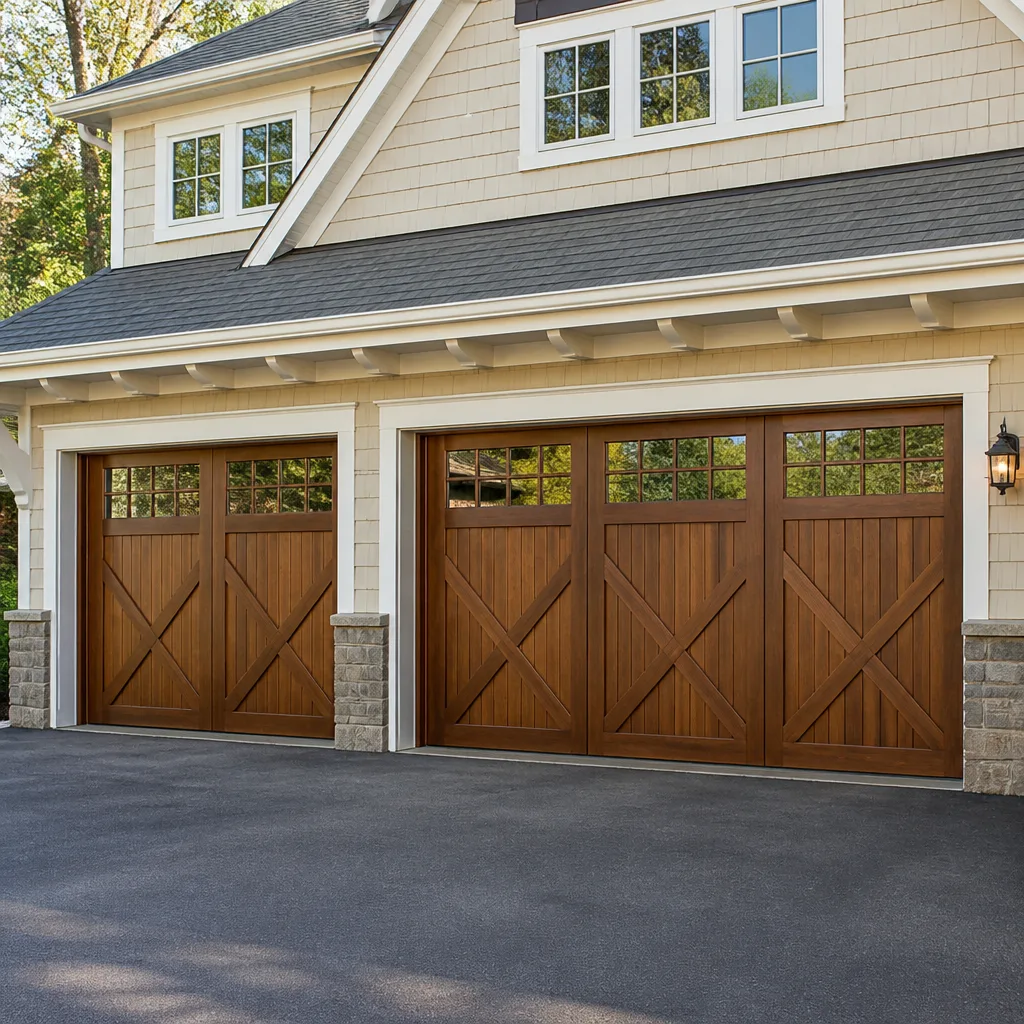 Carriage house
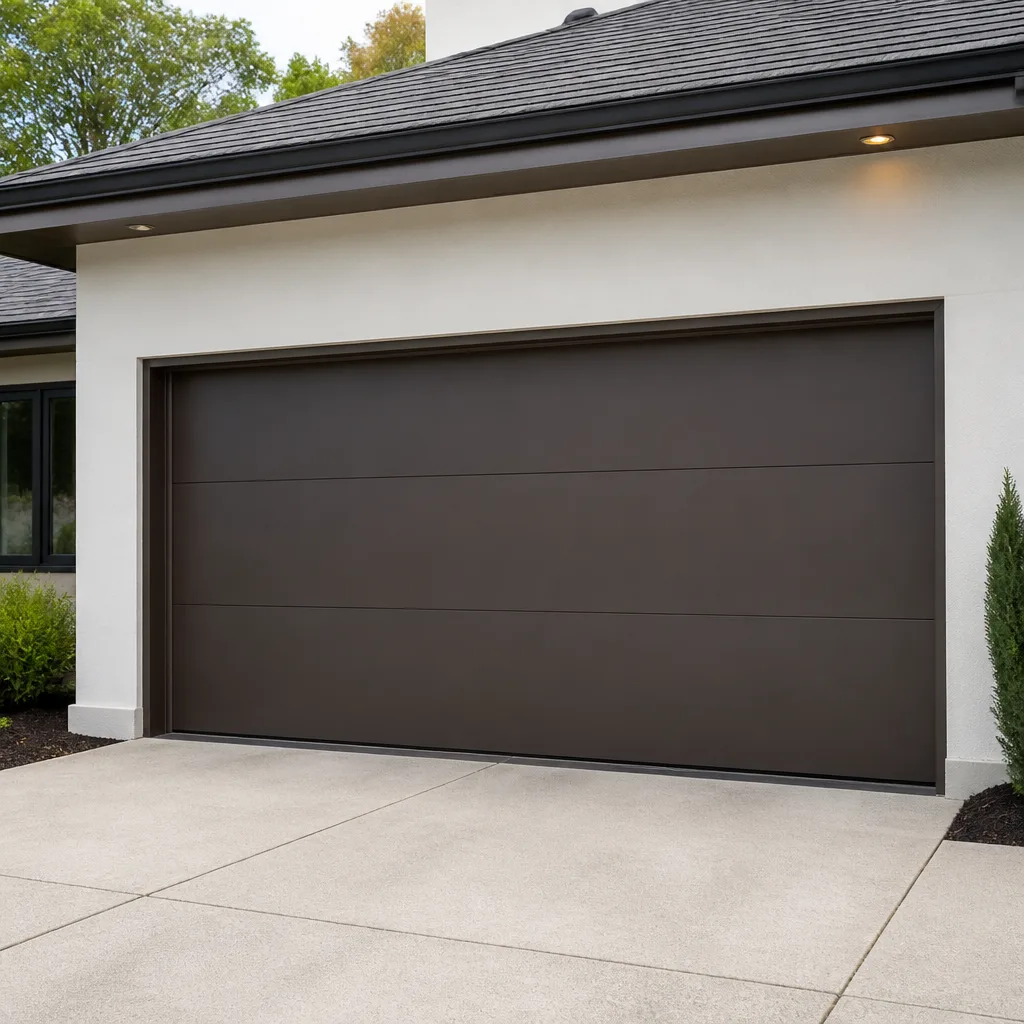 Modern flush
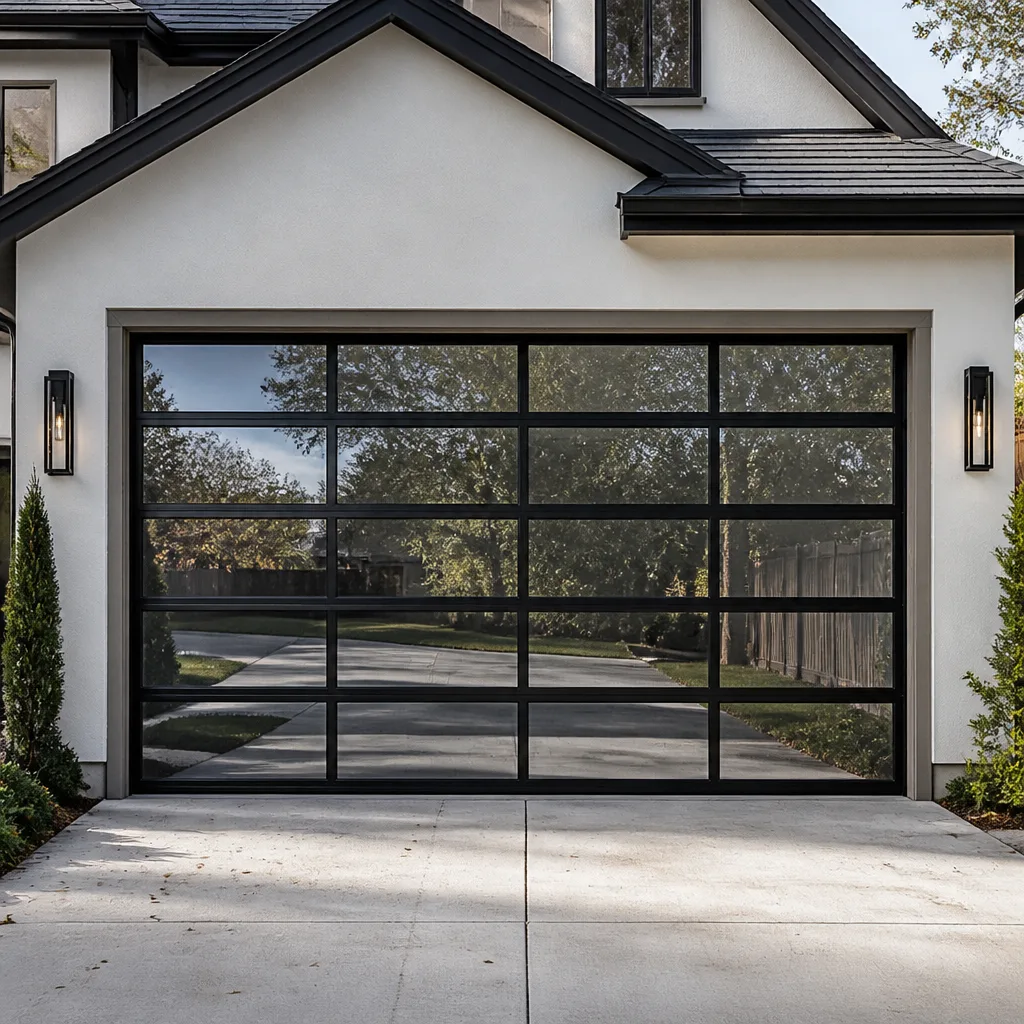 Full-view glass
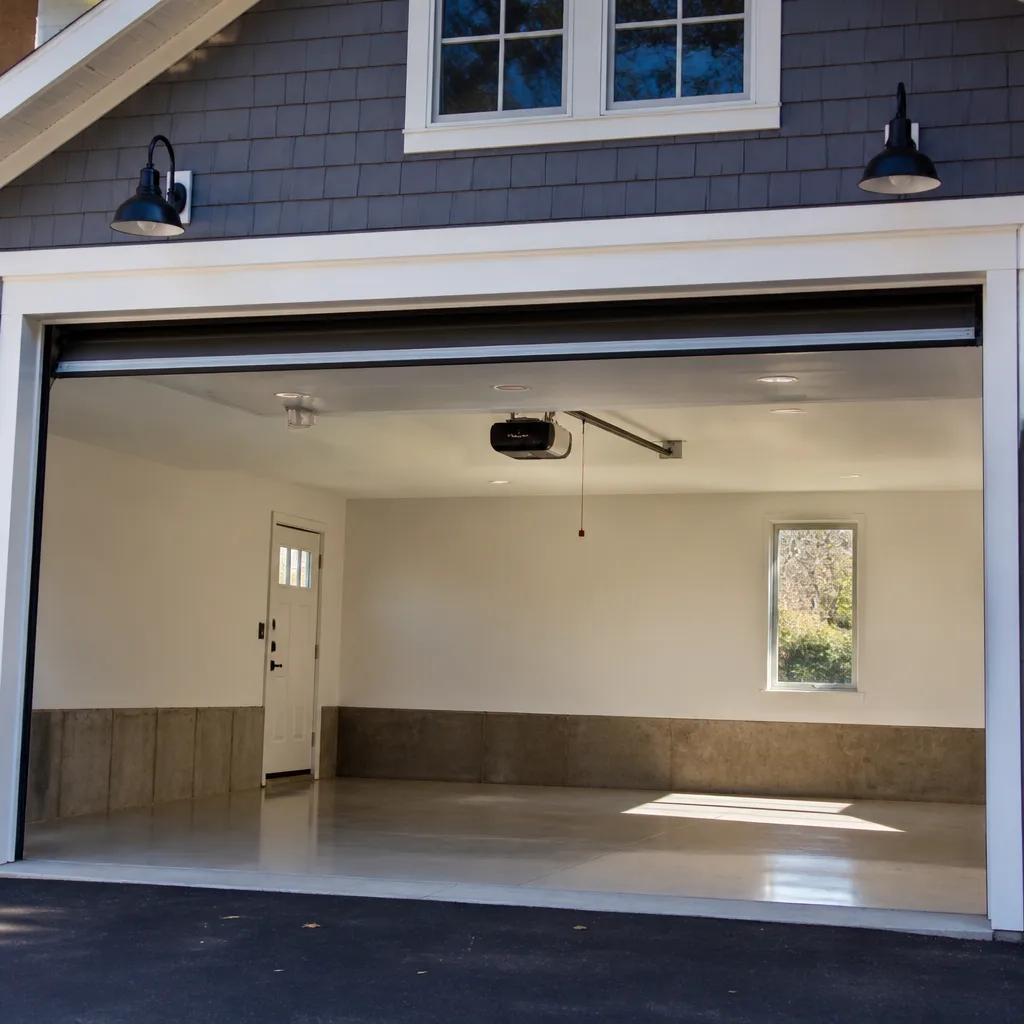 LiftMaster openers
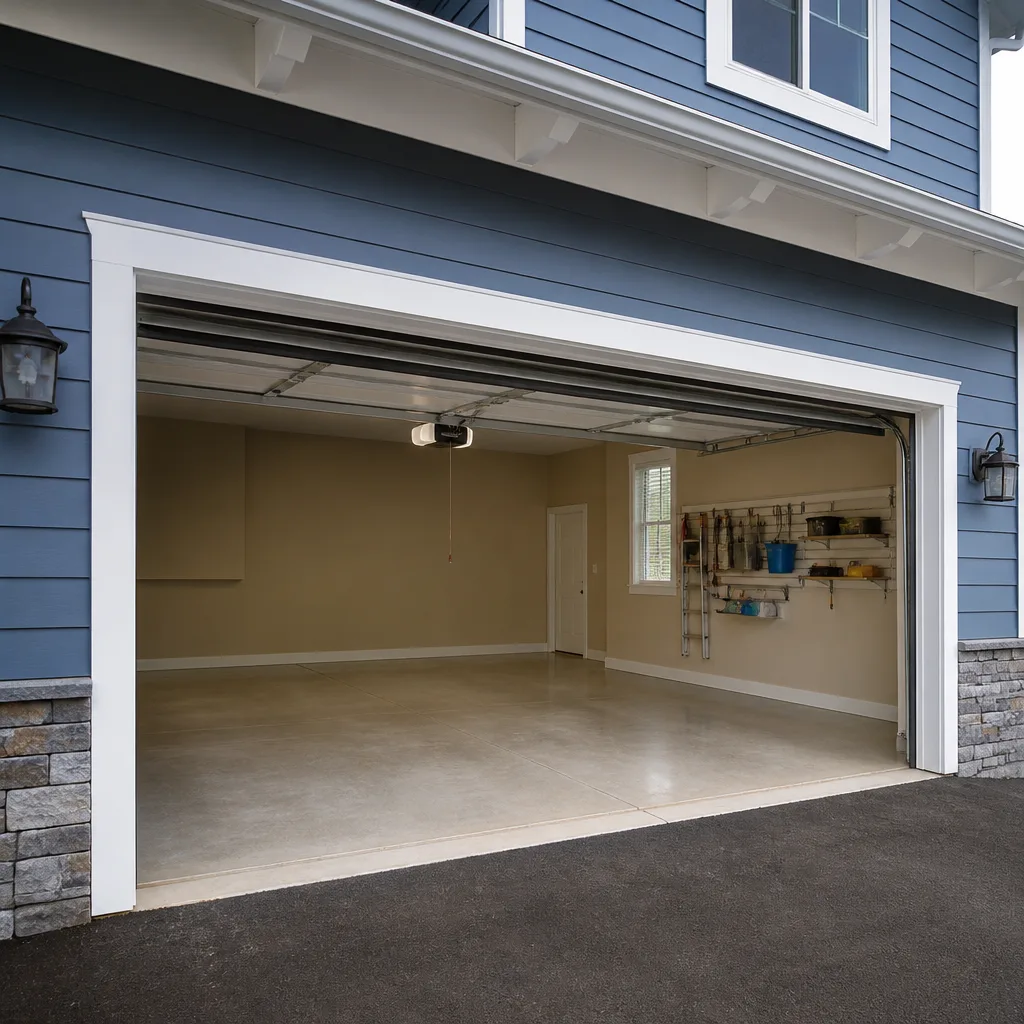 Chamberlain openers
Full 25-point door and opener safety check with every visit - springs, cables, rollers, tracks, and your LiftMaster or Chamberlain opener included
You get a price before we start. It does not change when the pro arrives.
Get your free estimateGarage Door Permits, Codes & Inspections in Canarsie, NY: What You Need to Know
A straight door-for-door swap in Canarsie usually needs no permit at all. That surprises people. What surprises them more is the opposite: shave two inches off a jamb or swap the lintel above the opening and you’ve crossed into a formal alteration filing with the NYC Department of Buildings, whether anybody mentioned it or not. Most of the trouble we see in Canarsie isn’t a door that failed inspection. It’s a homeowner who was never told a filing was triggered, then hits it at resale or at claim time. This guide walks through the NYC DOB alteration categories, what like-for-like really means, how facade rules touch attached row houses, and how to check a property’s open violations before you spend a dollar.
Quick Answer
In Canarsie, a like-for-like garage door replacement (same dimensions, same opening, same material class) typically does not require a DOB permit. Any change to the structural opening, the lintel, or the wall itself is a formal alteration and does require filing through the NYC Department of Buildings. When in doubt, call NYC 311 or your local DOB borough office and ask one specific question: does this scope change the structural opening?
Styles & brands we work with
- Raised-panel steel
- Carriage house
- Modern flush
- Full-view glass
- LiftMaster openers
- Chamberlain openers
Table of Contents
- What Are the NYC DOB Alteration Categories?
- Which Garage Door Scenarios Fall Into Alt-1 and Alt-2?
- What Does “Like-for-Like Replacement” Legally Mean?
- How Local Law 11 and Facade Inspections Intersect With Garage Doors
- Certificate of Occupancy: Restoring a Converted Garage
- How to Check Open DOB Violations Before You Start
- What to Ask a Contractor Before Signing Anything
What Are the NYC DOB Alteration Categories?
New York City sorts alteration work into a small set of filing categories, and the category determines how much paperwork, review, and inspection sits between you and a finished job. Garage doors usually sit at the edge of those categories rather than squarely inside one, which is exactly why the rules trip people up.
Alt-1
Alt-1 is a major alteration. It covers work that changes the use, occupancy, or egress of a space, or work substantial enough that the building’s structure, mechanical systems, or means of exit are meaningfully affected. For garage door purposes, you land here when the scope goes past the door: cutting a wider opening, replacing or modifying the header or lintel, altering the structural framing around the opening, or changing the wall in a way that affects the building’s envelope.
Alt-2
Alt-2 is a minor alteration: interior or non-structural work that doesn’t change use or occupancy. This is where things like a curb cut adjustment, interior partition changes, or certain non-structural opening modifications can land. A garage door swap alone almost never fits either category because it doesn’t alter the building. The door is a component. The opening is structure.
Alt-3 and the no-filing zone
Alt-3 is the smallest category of filed work, and below that sits ordinary maintenance and repair, which needs no filing at all. Replacing a torsion spring, swapping an opener, changing rollers and hinges, replacing a section damaged by an impact, or installing a new door of identical dimensions in the existing opening are all maintenance-class jobs in normal circumstances. That’s the practical dividing line in Canarsie: door and hardware work is maintenance, and opening or wall work is an alteration.
The distinction matters because it’s the difference between a door installed this week and a door installed this week that shows up as an open permit when a buyer’s title search runs later. If you’re early in the process and want a plain-language read on the work itself, our overview of Garage Door Repair Canarsie covers what a normal repair or replacement involves.
Which Garage Door Scenarios Fall Into Alt-1 and Alt-2?
Here’s how the categories actually shake out for the work Canarsie homeowners ask about. This is the part contractors tend to skip until the job is already mid-stream.
Scenarios that typically need no filing
- Same-size door replacement. You pull a 9×7 and install a new 9×7 from Clopay, Amarr, or Wayne Dalton in the same opening. No structural change, no filing.
- Opener replacement or repair. A new LiftMaster or Chamberlain unit on the existing rail and bracket system is maintenance work.
- Spring, cable, roller, hinge, and panel work. All repair-class. Replacing a single damaged section is still a repair.
- Track realignment. Resetting a bent track back to plumb in the existing space doesn’t touch structure.
Scenarios that usually trigger a filing
- Widening or heightening the opening. Even two inches of new framing changes the structural opening and pushes the job into alteration territory.
- Lintel or header replacement. This is structural work and typically lands in Alt-1.
- Converting the garage to habitable space. A use change, and that’s a filing every time.
- Converting habitable space back to a garage. Also a use change, and a common one in Canarsie where a prior conversion never got documented.
- Changing the door to a materially different type. A sectional swapped for a roll-up, or a swing-out replaced by a sectional, can change how the wall carries load and how the opening is framed.
If your project is a replacement rather than an alteration, scheduling is the bigger question than permitting, and our page on garage door installation lays out how a measure, order, and install sequence runs.
What Does “Like-for-Like Replacement” Legally Mean?
“Like-for-like” is the phrase that decides whether you need a permit, and it’s narrower than most people assume. It doesn’t mean “looks similar.” It means the replacement matches the original in the specifics that the code actually regulates.
Dimensions
The width and height of the door have to match the opening it sits in. If you go from an 8-foot door to a 9-foot door, you’ve changed the opening. That’s not like-for-like, regardless of how the new door looks from the street. Canarsie has a wide mix of housing stock with garage openings built to a handful of standard sizes, so this comes up more than you’d think when a homeowner wants a slightly bigger door for a vehicle that doesn’t quite fit.
Materials
Like-for-like keeps the material class. A steel door replaced with a steel door of similar section and gauge is straightforward. Switching to wood, or to a door with substantially different weight that changes the spring and track loads, is a departure from like-for-like even if the opening stays identical. The spring system is sized to the door’s weight, which is why a heavier door is never a simple swap.
Fire rating
On attached buildings, a garage door can sit on or near a rated separation between the garage and living space, or between adjoining structures. In Canarsie that concern lands hardest on the attached row houses and semi-detached homes where the garage wall is a shared or rated assembly. Exterior garage doors aren’t typically fire-rated assemblies, but the door that separates a garage from a habitable room sometimes is. If your door serves that function, replacing it with one of a different rating is not like-for-like.
Operating characteristics
A manual door replaced with a door plus opener is fine. A tilting door replaced with a sectional changes how the door travels through the space, which can affect headroom and clearances. In an older Canarsie garage with tight overhead framing, that’s the difference between a door that fits and one that doesn’t, and it’s worth measuring before you buy anything.
When we work on a spring or an opener, we’re looking at the door as a whole system: weight, balance, tracks, and the opening around it. That’s the same lens you want applied to a like-for-like question. For the service side of that, see our garage door opener repair page.
How Local Law 11 and Facade Inspections Intersect With Garage Doors
Local Law 11 governs periodic facade inspections for certain buildings in New York City, and most single-family Canarsie homes fall outside its scope. Where it does reach into garage door work is on larger attached properties, mixed-use buildings, and any structure where the garage door sits within a facade the law covers.
When it matters
If you own a building subject to facade inspection requirements and your garage door sits in a wall that the facade observation covers, work that changes the appearance or structure of that wall can enter the conversation. That doesn’t mean a permit is triggered by the door. It means the scope may need to be considered alongside the building’s facade obligations.
When it usually doesn’t
For a typical one- or two-family Canarsie house, Local Law 11 doesn’t come into it. The far more common local issue is that attached row houses share structural assemblies with neighbors. Replacing a lintel or cutting into a shared wall has implications on both sides of the property line, and those are conversations worth having with the DOB before a saw touches anything.
The practical takeaway: if your building has any facade inspection history or is attached to a structure that does, mention it to your contractor at the estimate stage. It’s not a reason to panic. It’s a reason to check.
Certificate of Occupancy: Restoring a Converted Garage
Canarsie has a long history of garages converted to living space, and a good number of those conversions were never properly documented. That matters when you want to restore the space to a garage, because the Certificate of Occupancy for the property may describe a use that no longer matches what you’re asking to do.
The scenario
A prior owner converted the garage into a bedroom or a finished room without filing. Now you’re restoring it as a garage. The door reopening, the wall work, and the use change all come into play, and the property records may still list the garage as the legal use or may list it as habitable space, depending on what was filed and when.
What to do about it
- Pull the property’s Certificate of Occupancy and any subsequent filings from the DOB’s public records.
- Compare what the records say to what’s physically there.
- Identify whether the conversion was ever filed. If it wasn’t, the restoration is a use change that needs to be filed properly.
- Hire a licensed architect or expediter to file the scope if the use change is required. This is not DIY paperwork.
- Get the filing approved before the door goes in, not after.
This is the single most expensive permitting mistake we see in Canarsie, and it’s entirely avoidable with a check that takes an afternoon. If you’re restoring a converted garage and need the opening and door work done around the filing, that’s the kind of scope our garage door repair service covers.
How to Check Open DOB Violations Before You Start
Unpermitted prior door or garage work can complicate your project before you’ve touched anything. A prior contractor may have opened a permit and never closed it, or installed a door in a modified opening without filing. Either can surface at the worst possible moment: at a home sale, at an insurance claim, or when you try to pull a permit for your own work.
Step-by-step: checking a property
- Go to the NYC DOB’s Buildings Information System (BIS) online portal.
- Search by the property’s address or block and lot.
- Review the permits section for open or expired permits, particularly any filed for garage or facade work.
- Review the violations section for open DOB violations or complaints.
- Review the Certificate of Occupancy to confirm the recorded use.
- If anything is open or inconsistent with what’s physically there, resolve it or speak to an expediter before proceeding.
Why an open violation blocks your project
An open permit on prior work can mean the earlier job was never signed off, which is a live issue on the record, not a clerical one. Some homeowners find this only when a buyer’s attorney runs a search. Clearing it means getting the prior work inspected and closed, and that can be far harder once the details are gone. A five-minute BIS search before a job starts is the cheapest insurance in this process.
What to Ask a Contractor Before Signing Anything
The permit conversation should happen at the estimate, not after the door is ordered. Here are the questions that separate a contractor who knows the DOB rules from one who’s guessing.
- “Is this scope like-for-like, or does it change the opening?” The answer should be specific, not a shrug.
- “Will you say in writing whether a filing is required?” Get it documented. If the contractor isn’t sure, they should say so and check.
- “Have you pulled the property’s open permits and violations?” A good contractor checks BIS as part of the estimate.
- “Who files if a filing is needed?” Usually a licensed architect or expediter, not the door installer. Know who’s responsible.
- “What’s the plan if the opening needs structural work we didn’t expect?” There should be a clear stop-and-file point, not a crew improvising.
On the door side, the question is whether the contractor works your brand. We service eight: LiftMaster, Chamberlain, Genie, Clopay, Amarr, Wayne Dalton, Craftsman, and Raynor. That matters because a like-for-like replacement has to match dimensions and weight exactly, and a contractor who only carries one line will nudge you toward a door that fits their inventory rather than your opening. Our technicians have up to 14 years of experience, and every quote we give is written and agreed before any work starts.
Springs and cables are the one part of this trade where we don’t encourage homeowners to work it out themselves. Torsion springs are under extreme tension, and a spring that releases while you’re under it can cause serious injury. If your door has a broken spring, keep it closed, block the door, and call a trained technician.
Common Mistakes to Avoid
- Assuming “no permit” means “no filing.” A door swap needs no permit, but the scope can still be a filing trigger if the opening is even slightly altered. Confirm the scope, not just the door.
- Not checking BIS before the estimate. Pulling the property’s open permits and violations first can change the whole plan. It’s a five-minute search, and it can save a stalled sale.
- Trusting a contractor who says “nobody files for garage doors.” In Canarsie, plenty of work falls into the no-filing zone, but not all of it does. The answer should depend on your scope.
- Restoring a converted garage without checking the Certificate of Occupancy. If the use change was never filed, the door restoration is legally a bigger project than it looks.
- Ordering a wider door before measuring the opening. It’s a common mistake here with older garages. The door may not fit the existing framing, and you find out after delivery.
- Ignoring a shared wall on an attached row house. Cutting into an assembly shared with a neighbor creates obligations on both sides. Talk to the DOB before the saw comes out.
- Letting a contractor start before the filing is approved. Do the paperwork first. An approved filing first is cheaper than closing an open violation later.
See the difference
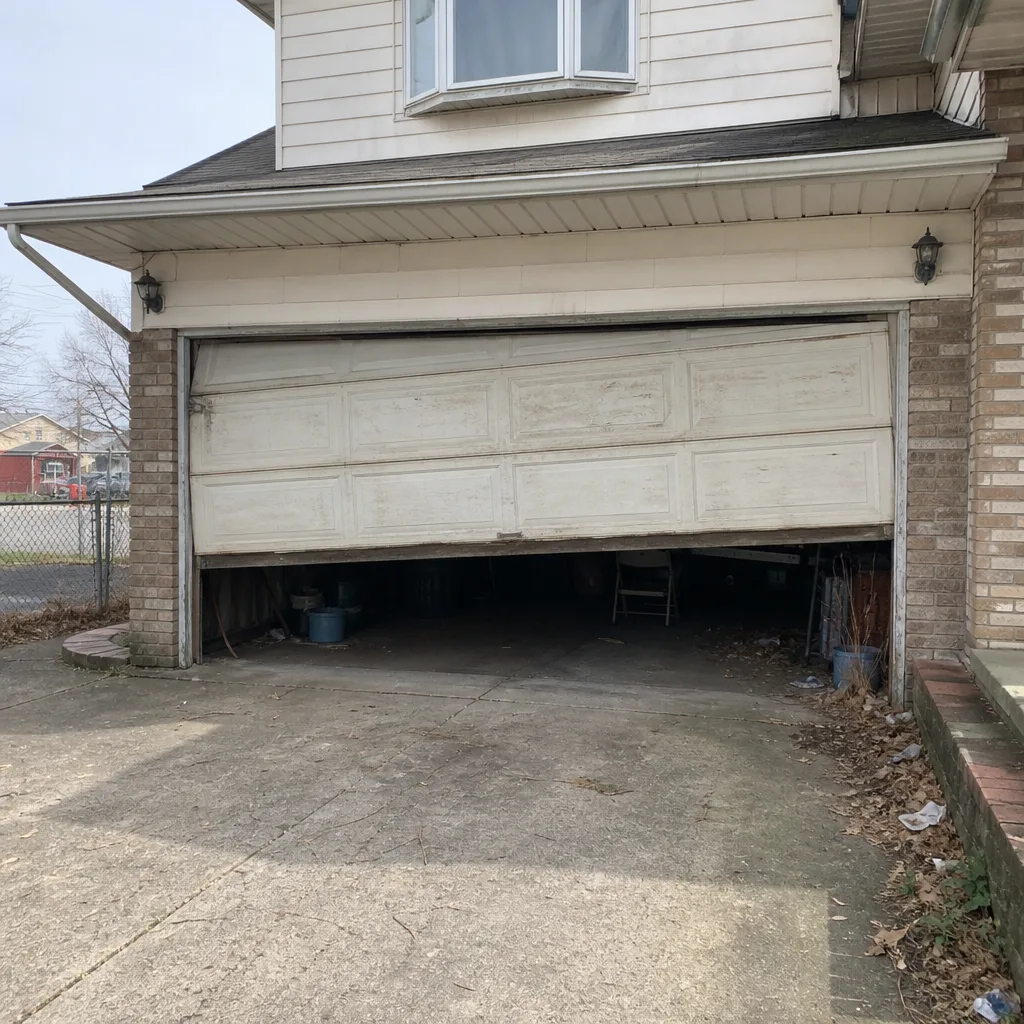 Before
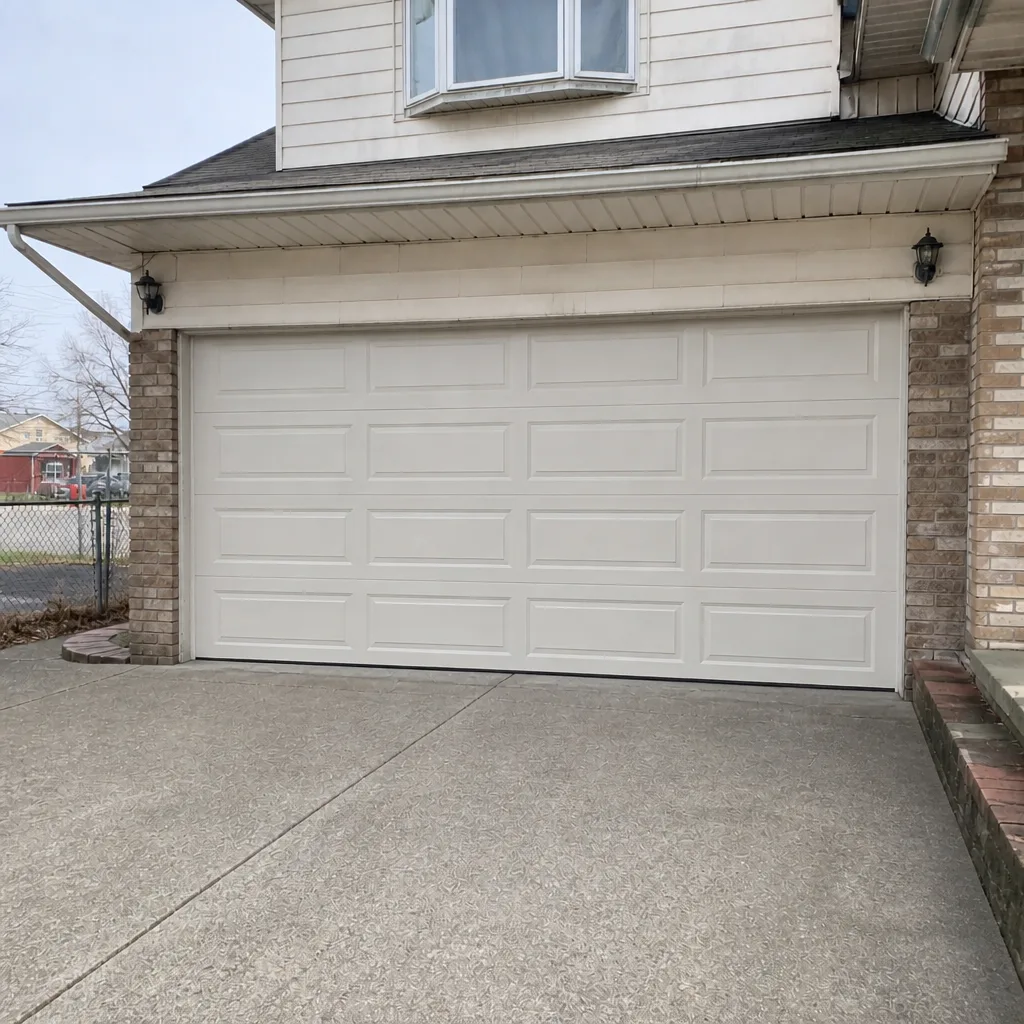 After
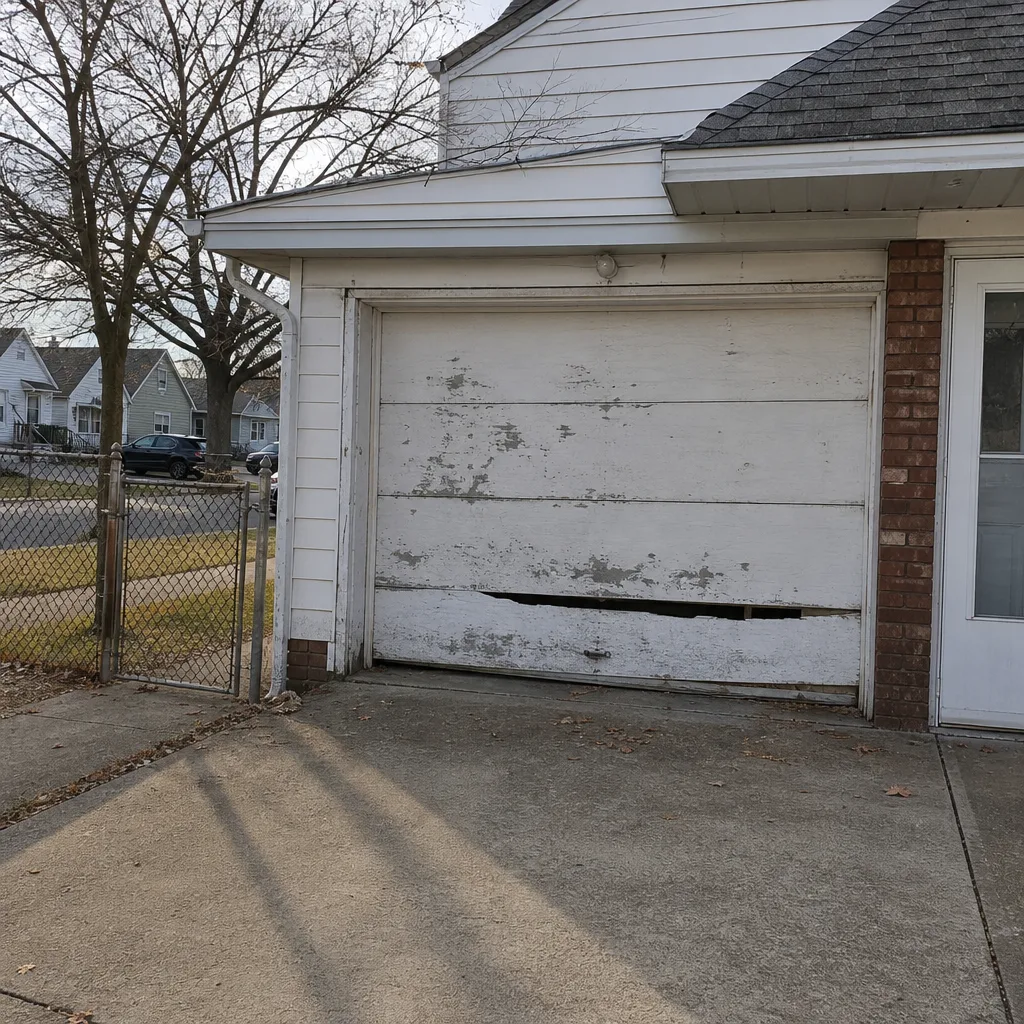 Before
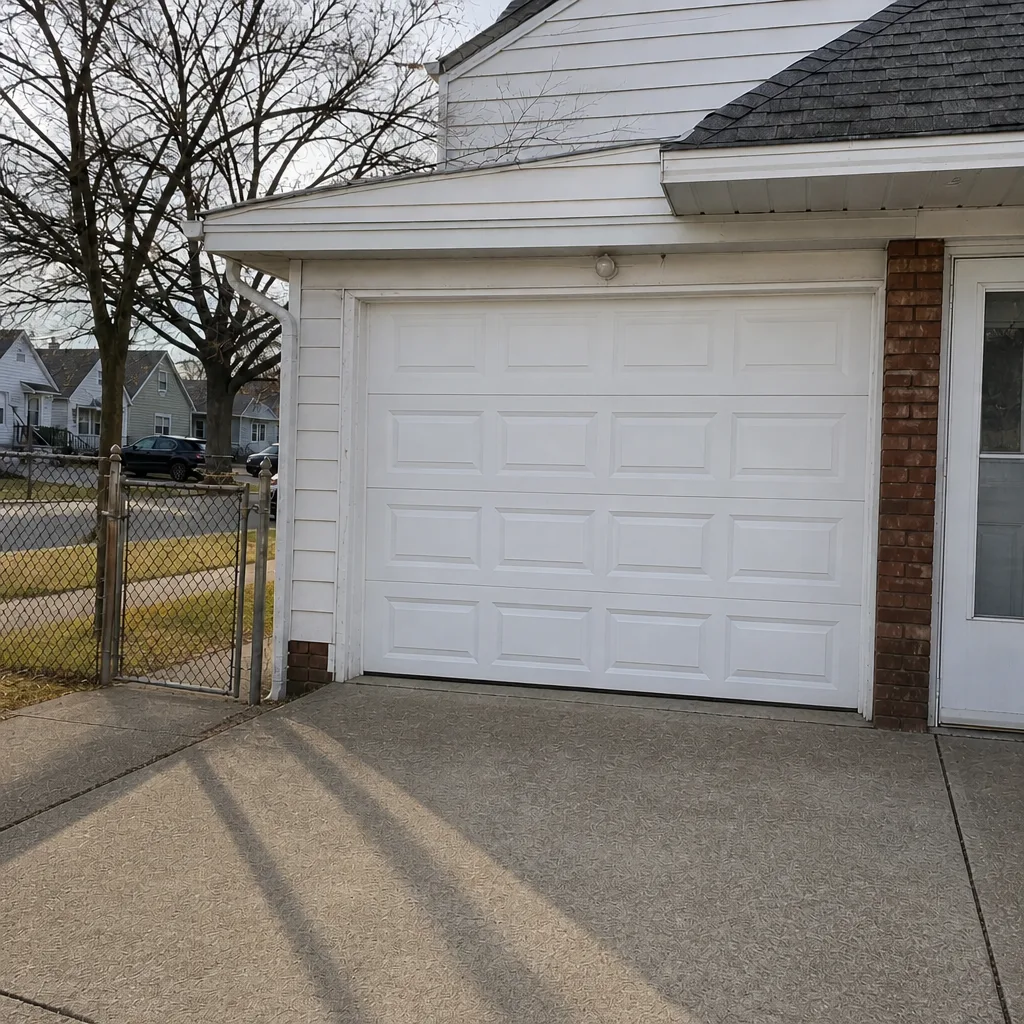 After
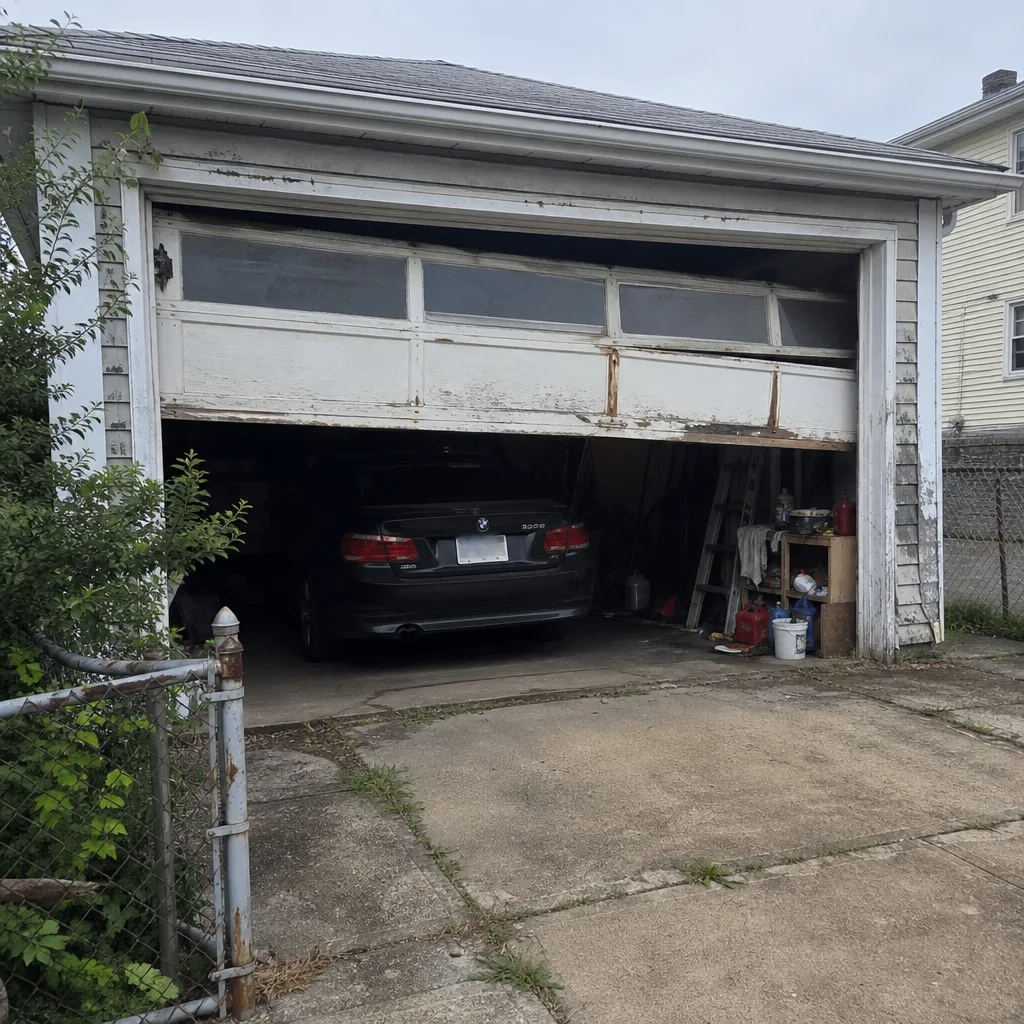 Before
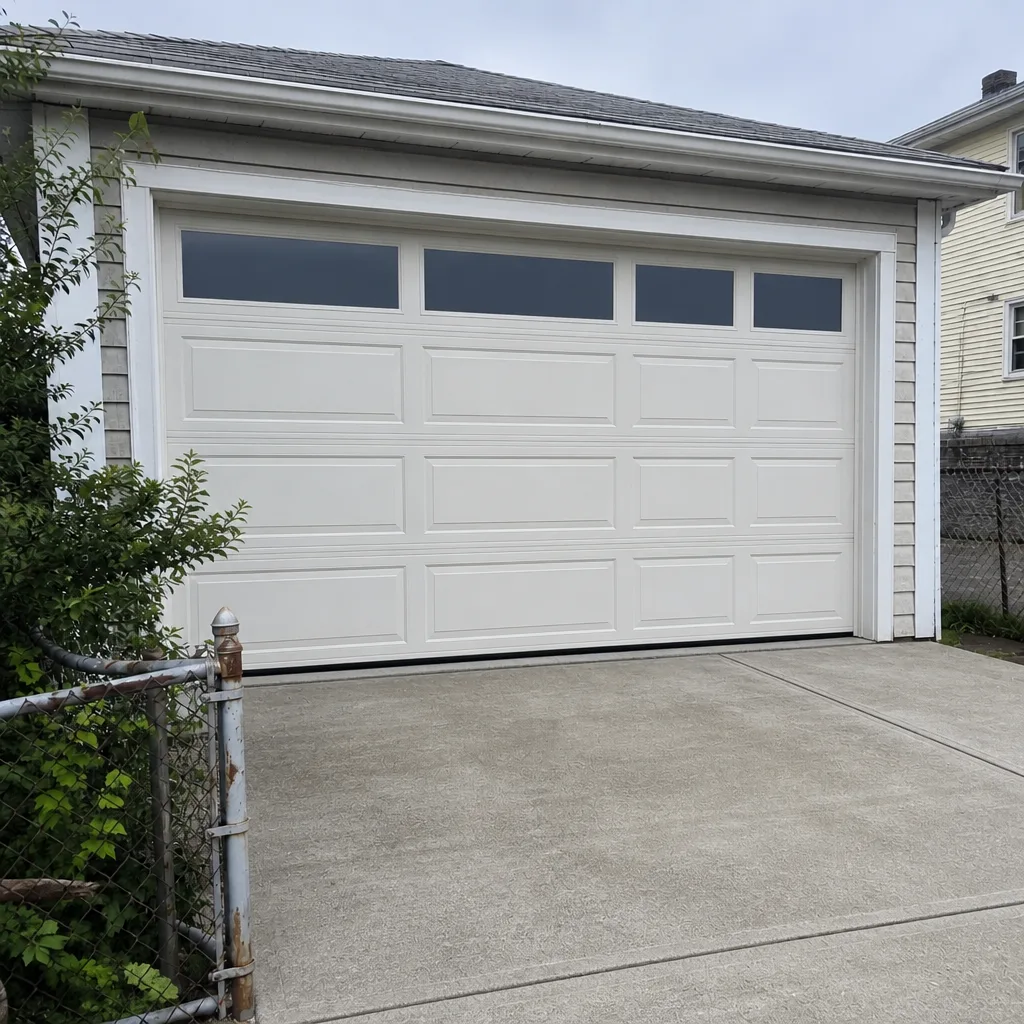 After
When to Call a Professional
Some of this is a phone call to the city. Other parts need a technician. If your door is broken and the scope is a straight repair or like-for-like replacement, you need a qualified installer, not a permit. If the scope touches the opening, the lintel, a shared wall, a use change, or a Certificate of Occupancy issue, you need a licensed architect or expediter in the mix before the door work starts. And if a spring has let go or a door has come off its track and left the house open to the street, that’s an emergency call, not a project. Garage Door Repair Canarsie offers free estimates in Canarsie and handles both emergency and scheduled work across the eight brands we service. Call (844) 443-4493.
Frequently Asked Questions
Usually not, if the replacement is like-for-like in the same opening with the same dimensions. The permit question turns on whether you’re changing the structural opening or the wall around it, not on the door itself. If the scope touches the opening, the lintel, or the building’s use, a filing is likely required through the NYC Department of Buildings. Call (844) 443-4493 for a free estimate and we’ll flag whether your scope is maintenance or alteration.
No, spring replacement is maintenance and doesn’t require a DOB filing. It is, however, one of the highest-risk jobs in the trade because torsion springs are under extreme tension. That’s a job for a trained technician, not a homeowner. Call (844) 443-4493 – spring work is a core service for us, not something we subcontract.
If a permit was required and never filed, or filed and never closed, it can show up as an open permit or violation on the property’s DOB record. That can stall a sale and complicate your own project. Check BIS by address before you start, and resolve anything open first. Call (844) 443-4493 if you want a read on what we can and can’t do around an existing violation.
No. Widening or heightening the opening changes the structural framing and the lintel, which is alteration-class work requiring a filing through the NYC Department of Buildings. Even two inches makes the difference. A licensed architect or expediter handles the filing, and the door work happens after approval. Call (844) 443-4493 for an estimate on the door once the scope is defined.
For most single-family Canarsie homes, no. Local Law 11 covers periodic facade inspections on certain buildings, and a typical one- or two-family house falls outside it. On larger attached or mixed-use buildings it can come into play, and the answer depends on your building and whether the door sits in a covered facade. Ask the DOB about your specific address. Call (844) 443-4493 for the door side of the work.
Use the NYC DOB’s Buildings Information System online. Search by address or by block and lot, then review the permits, violations, and Certificate of Occupancy sections for open items and recorded use. Anything open or inconsistent with what’s physically there should be resolved before you start. Call (844) 443-4493 if you need to schedule the door work once the property record is clean.
The Bottom Line
In Canarsie, the permit question is almost never about the door. It’s about the opening. A like-for-like swap in the same space, same dimensions, same material class, typically needs no filing. Anything that touches the lintel, the framing, a shared wall, or the building’s recorded use is an alteration and a filing, whether or not anyone tells you. Check the property’s DOB record before you spend money. Get the like-for-like call in writing. And keep the paperwork ahead of the installation, every time. That’s the pattern that keeps a project simple and a resale clean.
Written by the team at Garage Door Repair Canarsie.