Last updated November 21, 2026
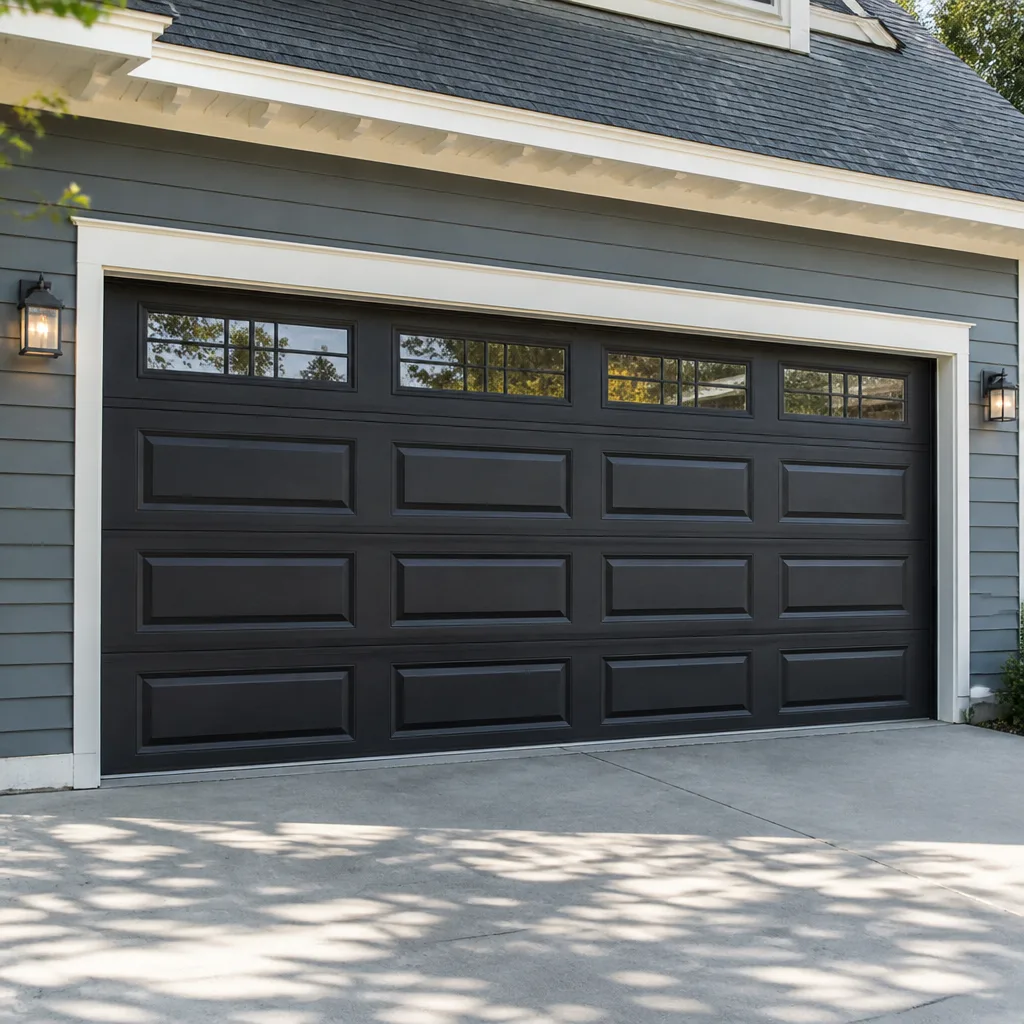 Raised-panel steel
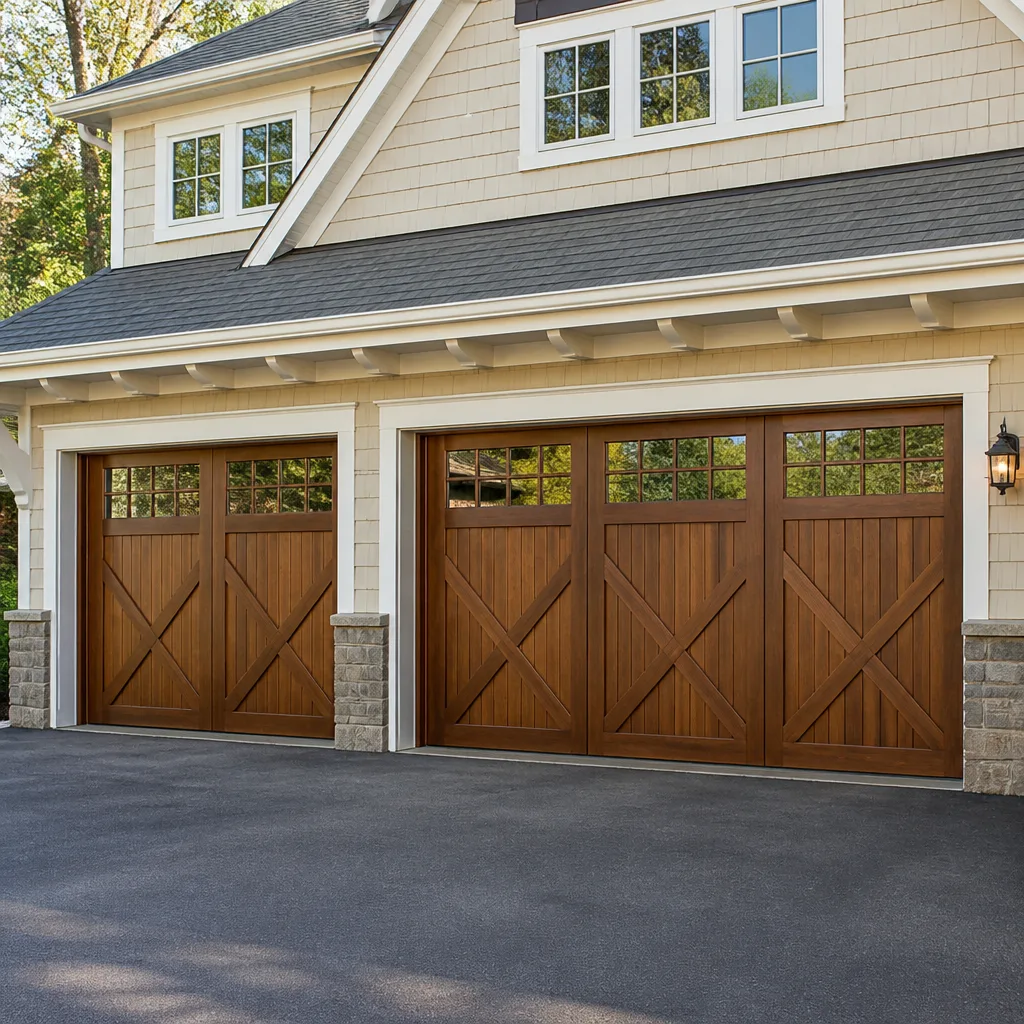 Carriage house
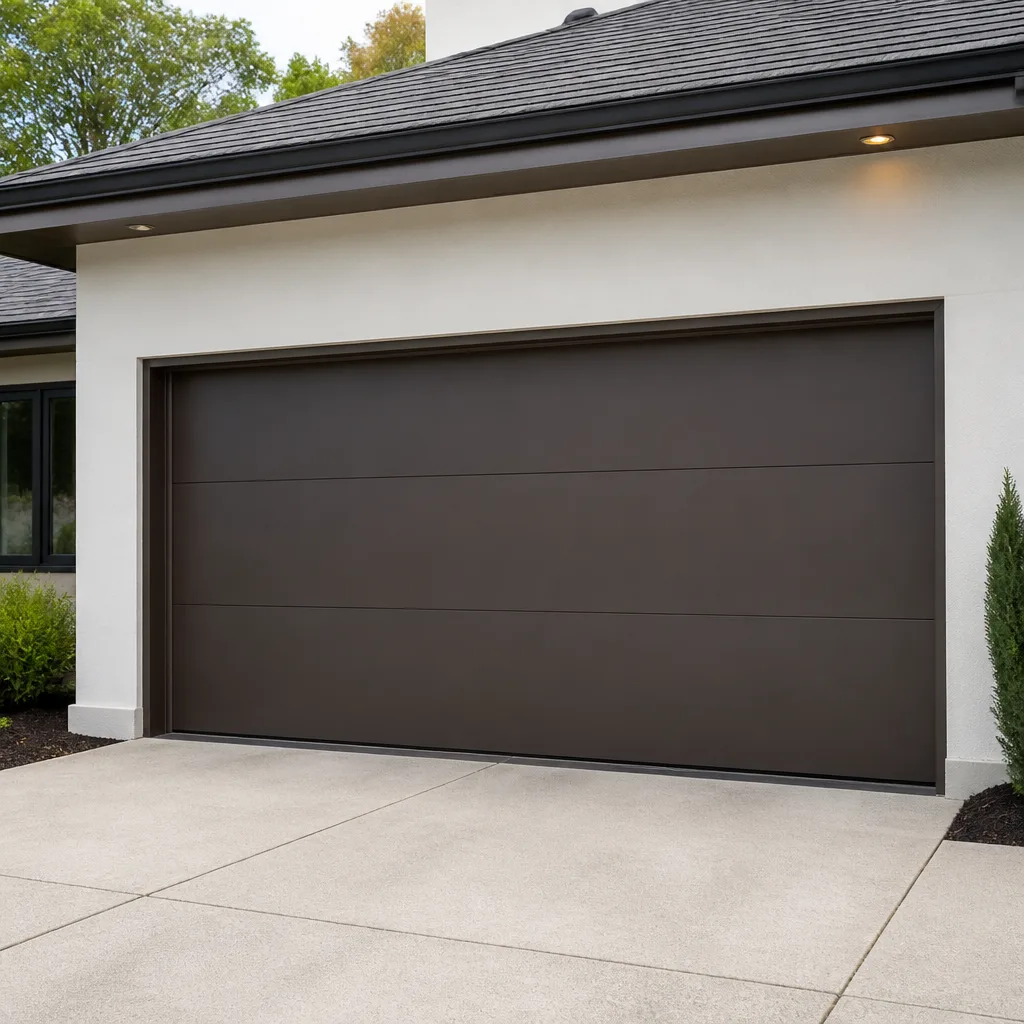 Modern flush
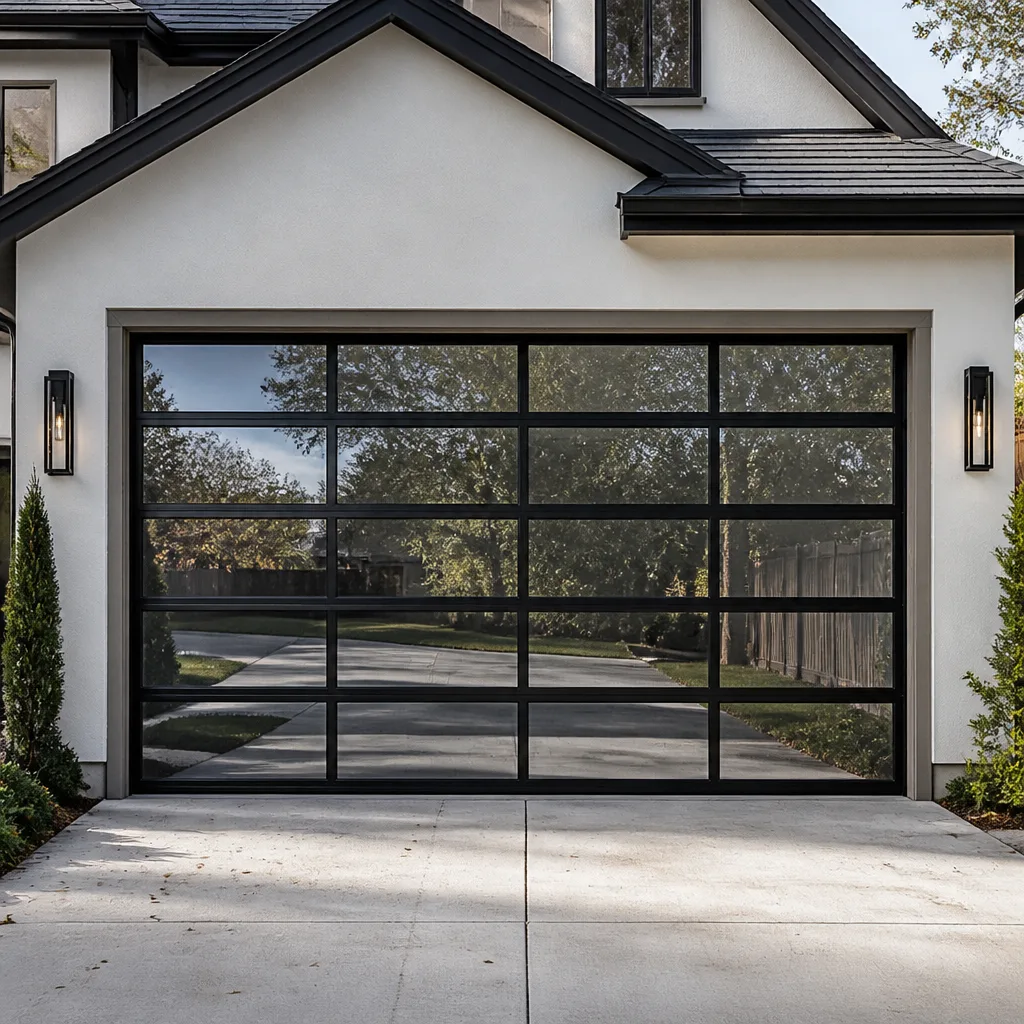 Full-view glass
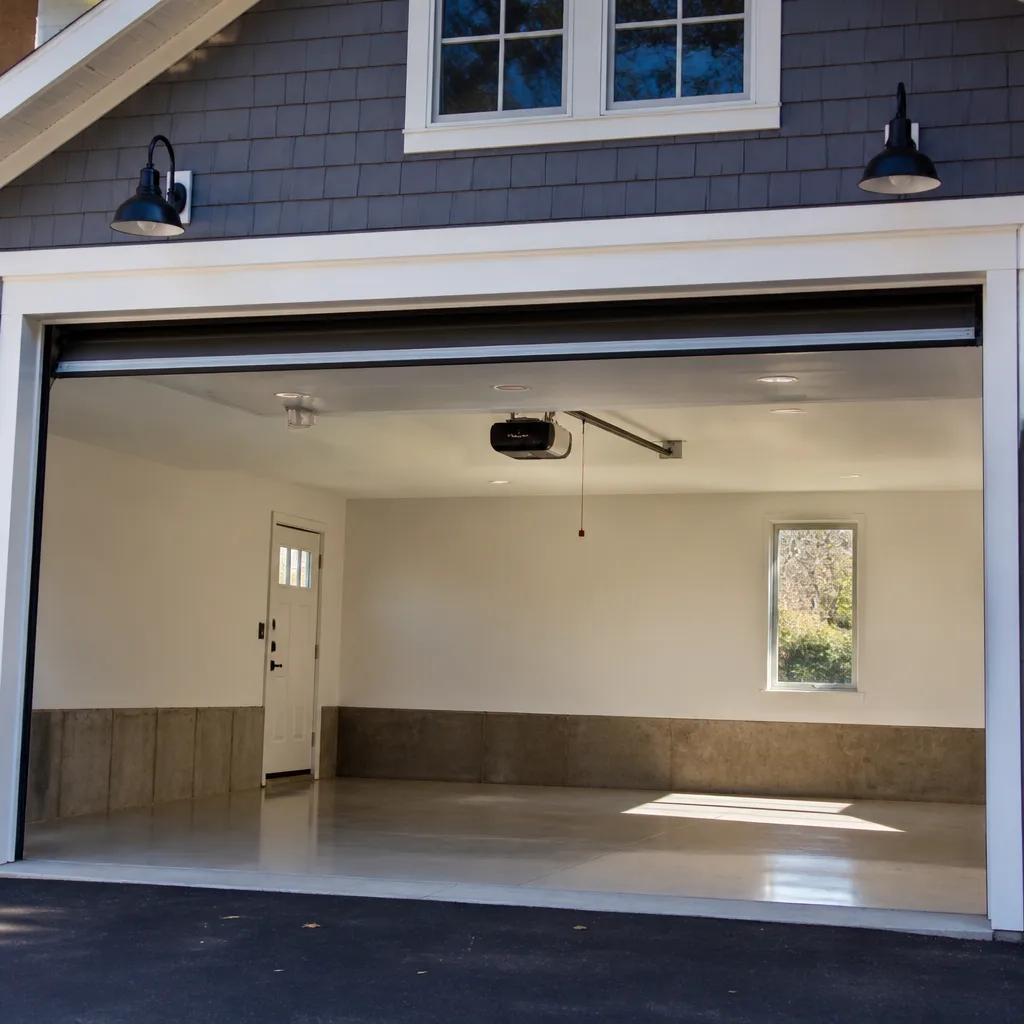 LiftMaster openers
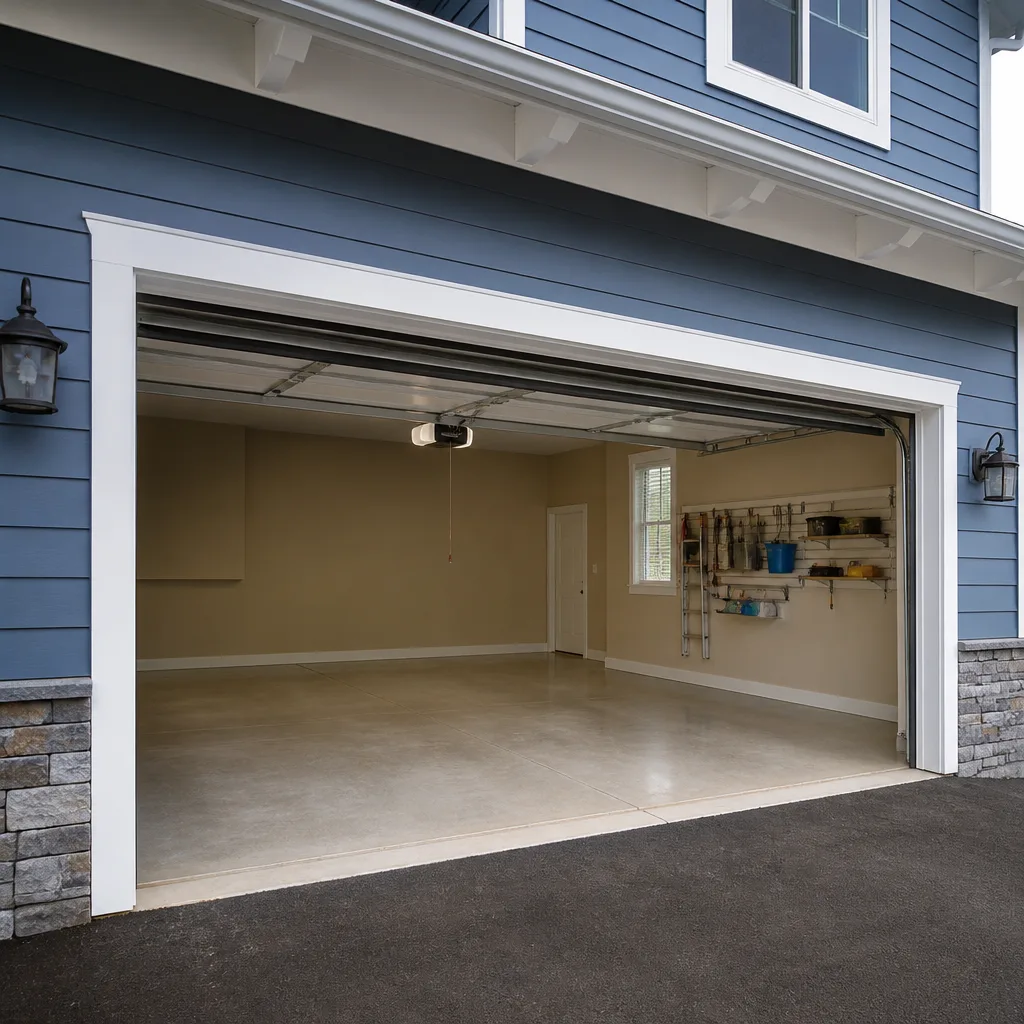 Chamberlain openers
Full 25-point door and opener safety check with every visit - springs, cables, rollers, tracks, and your LiftMaster or Chamberlain opener included
You get a price before we start. It does not change when the pro arrives.
Get your free estimateThe Complete Guide to Garage Doors in Canarsie
Most garage door guides are written for suburban ranch homes with 20-foot driveways and a detached garage sitting off to the side. Canarsie doesn’t look like that. Many of the homes here are attached or semi-attached, with driveways that give you a tight working envelope and overhead clearance that eliminates more than half the door styles you’ll see advertised in a big-box catalog. That single constraint changes everything downstream: which doors fit, how the tracks have to run, where the opener mounts, and what a replacement really involves. This guide is written from inside that reality. We’ll walk through clearance, local code triggers, neighborhood-specific wear patterns, brand fitment, and the early signals a door gives off before it fails, so you can plan a replacement instead of chasing an emergency.
Quick Answer
Garage door work in Canarsie comes down to fitting the right door, opener, and hardware into a tight row-house envelope while accounting for the moisture and temperature swings that come off Jamaica Bay. Low-headroom torsion setups, correct track radius, and brand-specific hardware are what make the difference. If your door is failing, a spring is noisy, or you’re weighing repair against replacement, start with a free written estimate and a clear diagnosis before anything gets ordered.
Styles & brands we work with
- Raised-panel steel
- Carriage house
- Modern flush
- Full-view glass
- LiftMaster openers
- Chamberlain openers
Table of Contents
- Why Canarsie’s Row Houses Change Every Garage Door Decision
- How Jamaica Bay Moisture Accelerates Garage Door Wear
- Brand Fitment: Which Manufacturers Offer Low-Headroom Hardware Standard
- Permits and NYC DOB Triggers for Attached-Garage Door Replacement
- Reading a Door’s End-of-Life Signals Before It Fails
- Repair or Replace: A Decision Framework
- Openers in Tight Spaces: What Actually Works
- Springs, Cables, and Why Safety Comes First
Why Canarsie’s Row Houses Change Every Garage Door Decision
In a detached suburban garage, you have room to swing a door track back and up without worrying about the ceiling joists or the wall shared with the house. In many Canarsie row houses and semi-attached homes, you don’t. The garage is tucked into the footprint of the building, the ceiling sits low, and the driveway gives you maybe a car’s width to work in. Every decision about the door starts from those constraints.
Here’s what actually changes:
- Door height. Standard residential doors often run 7 feet, but a low ceiling can force a shorter door or a different radius track so the panels don’t bind on the way up.
- Track radius. A 12-inch radius track is common where headroom is generous. In tight garages, a 15-inch or low-headroom track is often required to fit the door under the ceiling without reworking the framing.
- Opener placement. A ceiling-mount opener needs clearance above the door’s high point. If that doesn’t exist, a wall-mount (jackshaft) opener that drives the torsion bar directly is often the answer.
- Working room. Tight driveways mean the technicians set up differently and often work from inside the garage to stay safe around parked cars and pedestrians.
None of this is exotic, but it’s invisible to anyone who only reads a manufacturer’s catalog. If a contractor shows up, glances at the ceiling, and starts pitching a door without measuring headroom, that’s the first sign the estimate won’t hold. A free measure and a written price should come before any product gets discussed in detail. If you’re comparing local providers, this is where Garage Door Repair Canarsie starts every job: measure the envelope, then pick the door.
How Jamaica Bay Moisture Accelerates Garage Door Wear
Canarsie sits close enough to Jamaica Bay that moisture and seasonal temperature swings are a real factor in how fast garage door hardware wears. The humidity is the bigger issue for most hardware. Metal parts that cycle every day (springs, hinges, bottom brackets, roller stems) are already flexing under load, and steady moisture accelerates the surface rust that starts it degrading sooner. It isn’t catastrophic overnight, but over a few years the difference shows up in how often hardware gets replaced.
What we watch for in local doors:
- Bottom brackets and hinges. These are the lowest steel on the door and the most exposed to ground moisture. Rust here can seize a hinge and stress the panel it’s bolted to.
- Spring coils. Surface corrosion on a torsion or extension spring reduces the number of cycles it survives. A spring that should give years of service can fail earlier when the coils are pitted.
- Roller stems and track. Rollers that bind in a rusty track put extra strain on the opener and the spring, and the wear compounds.
- Paint and panel seams. Water sitting in seams between panels starts the finish failing, which then exposes the steel underneath.
The practical response is routine inspection, not panic. A yearly look at the bottom brackets, hinges, and spring, and a wipe-down or light oil on moving metal parts, slows the decay. If you notice rust pushing through paint on a spring or a hinge seizing, that’s the moment to book a professional inspection rather than waiting for a failure. It’s also why we treat garage door repair as a diagnosis job, not a swap job. We want to know whether the spring went because it was tired or because everything around it was dragging.
Brand Fitment: Which Manufacturers Offer Low-Headroom Hardware Standard
Not every manufacturer treats low-headroom hardware the same way. Some build it into their product line as an available configuration. Others sell it as an add-on that runs up the cost of a door that already has to fit a tight space. Knowing the difference before you start comparing quotes saves both money and confusion.
Here’s how the eight brands we service generally play it. These are working patterns, not promises from each manufacturer, because the details depend on the specific model:
- Clopay and Amarr are the two we most often fit into Canarsie row houses because both offer low-headroom configurations that don’t require reworking the garage ceiling. If you have a low ceiling and a standard-width opening, these are the first two to price.
- Wayne Dalton builds doors that adapt well in tight footprints, and their hardware lines include options for shallow spaces. We see a lot of them in older attached garages where the original door was retrofitted.
- Raynor tends to work best where the customer wants a heavier insulated door, but low-headroom configurations depend on the model. It’s worth pricing side-by-side with a Clopay if that’s your choice.
- LiftMaster and Chamberlain are the openers, not the doors, so the fitment question here is about opener placement. Wall-mount and myQ-enabled models give you more flexibility when ceiling clearance doesn’t work for a belt or chain drive.
- Craftsman and Genie round out the opener side. Craftsman is common in existing installs, and Genie covers a wide range of legacy and modern systems. Opener repair for these brands is work we do regularly.
If you have a door from one brand and an opener from another, that’s normal. We service across those brand lines so you don’t end up replacing a perfectly good opener because it isn’t the same manufacturer as the door. When it’s time for a full replacement, our approach to garage door installation starts with the opening, not the catalog: measure, then match a brand that manufactures a door for that envelope.
Permits and NYC DOB Triggers for Attached-Garage Door Replacement
Replacing a garage door in a structure that’s attached to living space can trigger a permit requirement from the NYC Department of Buildings, even when you’re not touching the walls or the framing. The rule depends on the specific job, the structure type, and what’s changing. That’s why the question isn’t “does this need a permit” in the abstract; it’s “does this specific replacement need one.”
The trigger usually comes down to whether the door is part of the building envelope or a fire separation. In a semi-attached or attached garage where the door sits under the same roof as the living space, the door and its framing are part of the structural and fire-rating picture. Swapping a door for a different size, weight, or rating can count as an alteration that needs a permit. Replacing a door with a like-for-like model in the same opening is sometimes treated differently, but that depends on the current code and on your specific building.
What to do about it:
- Ask your contractor whether a permit is required for your specific door and structure before work is scheduled.
- If the answer is yes, confirm who pulls the permit and whether inspection is required after installation.
- Contact your local NYC DOB office directly with the address and the scope of work if you want certainty.
- Keep the paperwork with the door’s documentation. It matters at resale and if any future inspection is required.
We don’t quote permit status on a job we haven’t measured, and we won’t pretend a homeowner should skip a step. If you’re getting bids, ask the question up front. A clear answer is a good sign you’re dealing with a professional who works the process properly.
Reading a Door’s End-of-Life Signals Before It Fails
A garage door almost never fails without warning. It gives off signals for weeks or months before the spring snaps or a panel cracks. The skill is knowing what to look for so you’re scheduling a replacement on a quiet Tuesday instead of calling for emergency service with a car trapped inside. Walk out to the garage and look at each of these:
- Sound changes. A door that used to be quiet and now clanks, groans, or squeals is telling you the rollers or hinges are straining. Sometimes it’s a lubricant fix; sometimes it’s worn hardware.
- Uneven travel. If the door lifts crooked or one side hangs lower, the torsion system is out of balance. That’s a professional adjustment, not a Home Depot run.
- Visible spring stretch or rust. On extension springs, look for gaps between coils when the door is closed. On torsion springs, look for rust pitting or an obvious sag. Either one is a countdown clock.
- Panel dents that are spreading. A single dent is cosmetic. A dent that’s cracked the panel or distorted the edges is a structural problem, and the panel will eventually bind.
- Opener strain. If the opener is running longer than it used to, or reversing for no reason, it’s compensating for a door that’s harder to lift. That eventually burns the motor out.
- Weather seal failure. Gaps at the bottom of the door let in moisture and pests, which is a sign the door has settled or the seal has aged out.
When you spot two or three of these together, it’s a sign to get a professional assessment, not to keep going. It’s the difference between a scheduled replacement with time to shop and a Saturday morning with the car parked on the street. Schedule the assessment early. If it turns out to be a cheap fix, great. If the door is at the end of its life, you’re planning, not panicking.
Repair or Replace: A Decision Framework
The honest answer to “repair or replace” is that it depends on what’s wrong, how old the door is, and whether the panels themselves are failing. Springs and openers are almost always repair jobs. Broken panels and structural issues are usually replacement territory. Here’s how we think through it with customers:
- Spring failure only. Replace the spring. That’s a straightforward repair, and a matched pair of springs is usually replaced together. The spring is one of the cheapest fixes on a door that’s otherwise in good shape.
- Opener failure only. Repair or replace the opener depending on age. A motor that’s 10 or 12 years old is usually worth replacing, and we can recommend a LiftMaster or Chamberlain model that fits your garage’s clearance situation.
- Panel damage. A single dented panel can sometimes be replaced on its own if the model is still available. If the model is discontinued, or two or three panels are failing, a full replacement is usually the better investment.
- Track damage. Bent track from a vehicle strike or settling is often repairable if the panel isn’t damaged. If the track is bent and the panels are also compromised, it’s a replacement conversation.
- Age and frequency of repair. A door that’s needed three repairs in eighteen months is telling you something. At that point, a new door is usually less frustrating and less expensive over the next few years.
The one thing we won’t do is push a replacement when a repair will hold for years, and we won’t push a repair when the door is going to fail again in six months. That’s the difference between a fix built for the door you have and a fix built for the easiest job. If you’re not sure which category you’re in, a free estimate that includes a real diagnosis is worth the call.
Openers in Tight Spaces: What Actually Works
Openers get overlooked in most garage door guides, and in Canarsie that’s a mistake. Ceiling clearance in a row-house garage can be gentler than a suburban detached garage, especially if storage has filled the space above the door. A ceiling-mount belt or chain drive needs a clear path above the door’s high arc. If that space doesn’t exist, you have two good options.
A wall-mount (jackshaft) opener mounts to the side of the torsion bar instead of the ceiling. It frees up the overhead space entirely, runs quietly, and works cleanly in low-clearance garages. The trade-off is that a torsion setup is required (which your door may already have) and installation is more technical, so it’s a professional job. The other option is a ceiling-mount unit with a low-profile rail, which still needs clearance but less of it.
On the smart-home side, LiftMaster and Chamberlain platforms cover the most common connected setups. LiftMaster’s myQ system and Chamberlain’s app-based openers both give you phone control, alerts when the door opens, and integration with common smart-home ecosystems. If you’re buying a new opener, the smart capabilities are often standard rather than an upgrade, so it’s worth comparing at the same price tier. When it comes to garage door opener repair, we work on legacy units and newer smart models across the brands we service. A motor that lost its travel limits, a wall control that’s dead, or a myQ connection that keeps dropping are all within scope of a repair visit.
Springs, Cables, and Why Safety Comes First
Torsion and extension springs are the most dangerous part of a garage door system. They store enough stored energy to cause serious injury if they let go while someone is handling them, and the cables and bottom brackets that route the spring tension are equally unforgiving if released. This is one area where we actively discourage homeowners from DIY work. There’s no safe way to learn this on the fly.
The right way to think about spring repair:
- Never try to wind or unwind a torsion spring yourself. The winding bars need to be sized to the spring, and the torquing procedure is unforgiving. A slip can cause severe injury.
- Don’t cut or release the cables. The bottom bracket and cables hold the tension that keeps the door controlled. Releasing them without the proper procedure is dangerous.
- If a spring is broken, don’t force the door. A door with a broken spring may be extremely heavy. A motor-driven opener can pull the door but may also damage the opener or drop the door without warning.
- Treat spring noise with suspicion. A loud bang from the garage isn’t normal. If you hear it, get the door inspected before using it again.
Spring repair is a core service we offer because a lot of shops subcontract it or decline it. We don’t. The safety stakes are real, and doing the job properly is the only way we’d work on a door. If you’re within reach of Canarsie and need a spring looked at, call and we’ll book the visit. Do not attempt it yourself.
Common Mistakes to Avoid
- Buying a door before measuring clearance. The catalog spec sheet describes a door in a generic garage. Your garage has a specific ceiling height and a specific track envelope. Measure first, then shop, or you’ll end up with a door that doesn’t fit or needs expensive rework to install.
- Skipping the permit question on an attached garage. In Canarsie, a garage attached to living space can put you in permit territory from the NYC DOB. Ask the question before work is scheduled, and don’t take “you don’t need one” as an answer without confirming it for your specific building.
- Trying to fix a spring yourself. It’s the single most dangerous repair in this trade. No amount of YouTube helps when the winding bar slips. This is one to leave to trained technicians.
- Ignoring rust on bottom brackets. It’s the easiest thing to overlook and the fastest thing to fail on a Canarsie door. A little rust turns into a seized hinge and then a warped panel. Check the bottom brackets twice a year.
- Letting the opener compensate for a hard-running door. An opener that’s working too hard will eventually die, and in the process it damages itself and the door. If the door feels heavy or the opener strains, get it looked at instead of turning up the force setting.
- Buying on price from a single quote. Garage door quotes vary far more than they should. Get at least two, in writing, and ask what’s included for the opener and installation, not just the door panel.
- Mismatching opener brand to what you already own. If your existing LiftMaster or Chamberlain opener is in good shape, there’s no reason to replace it just because the door is a different brand. We work the mix, and we won’t push a full-system replacement when a component-level fix is right.
See the difference
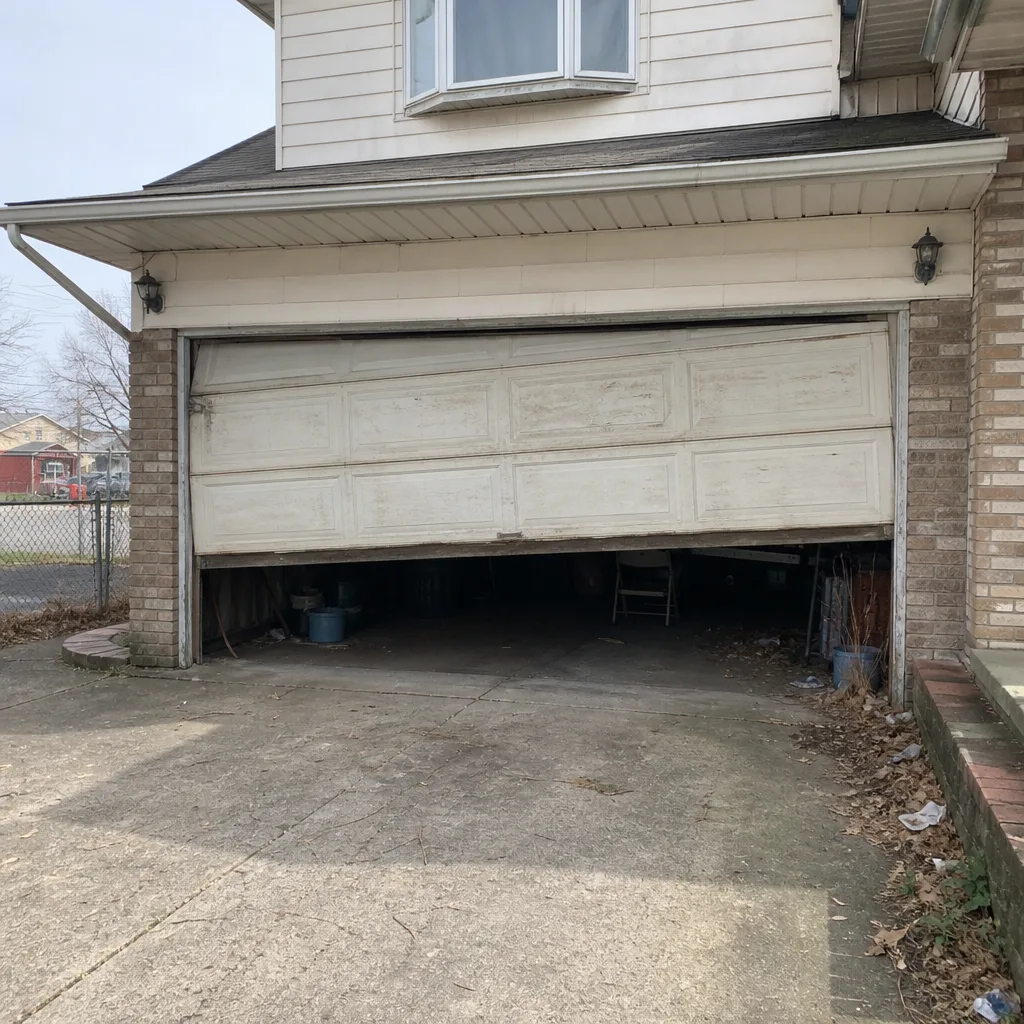 Before
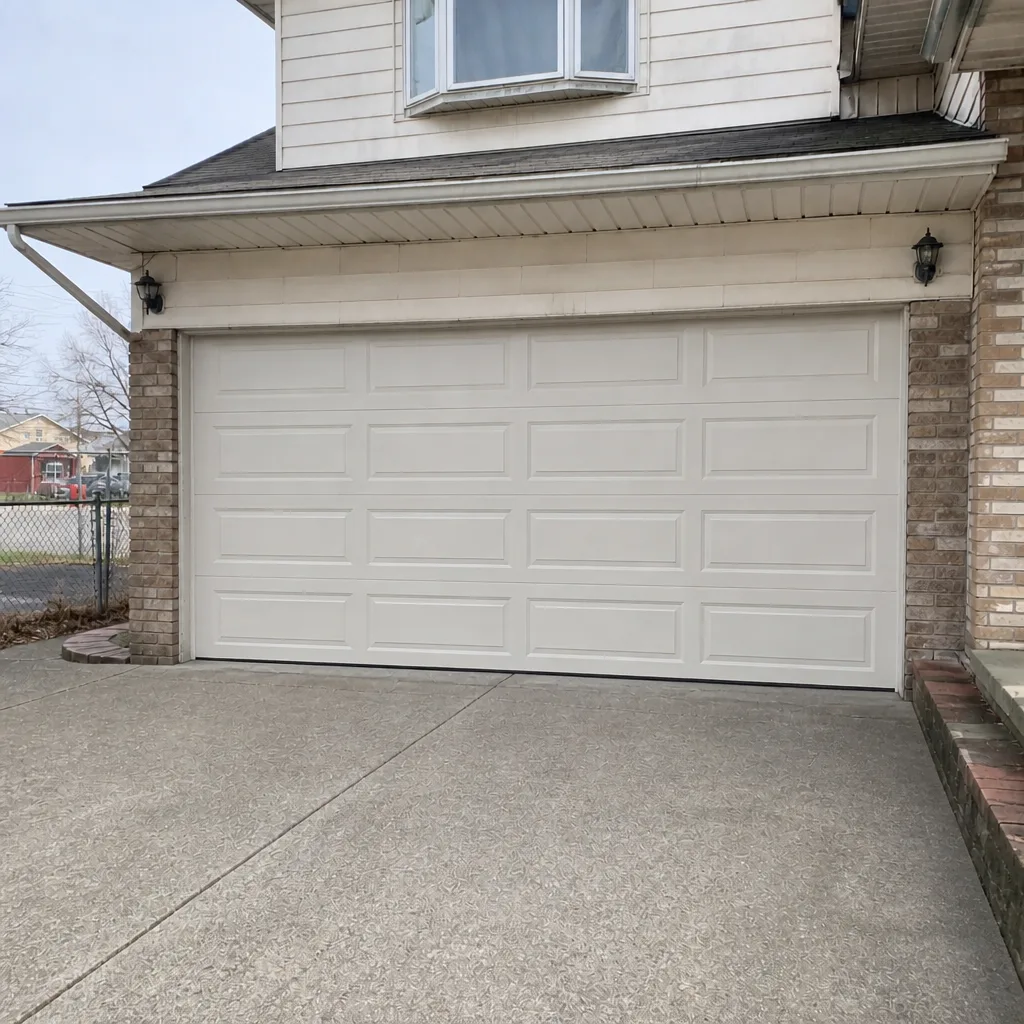 After
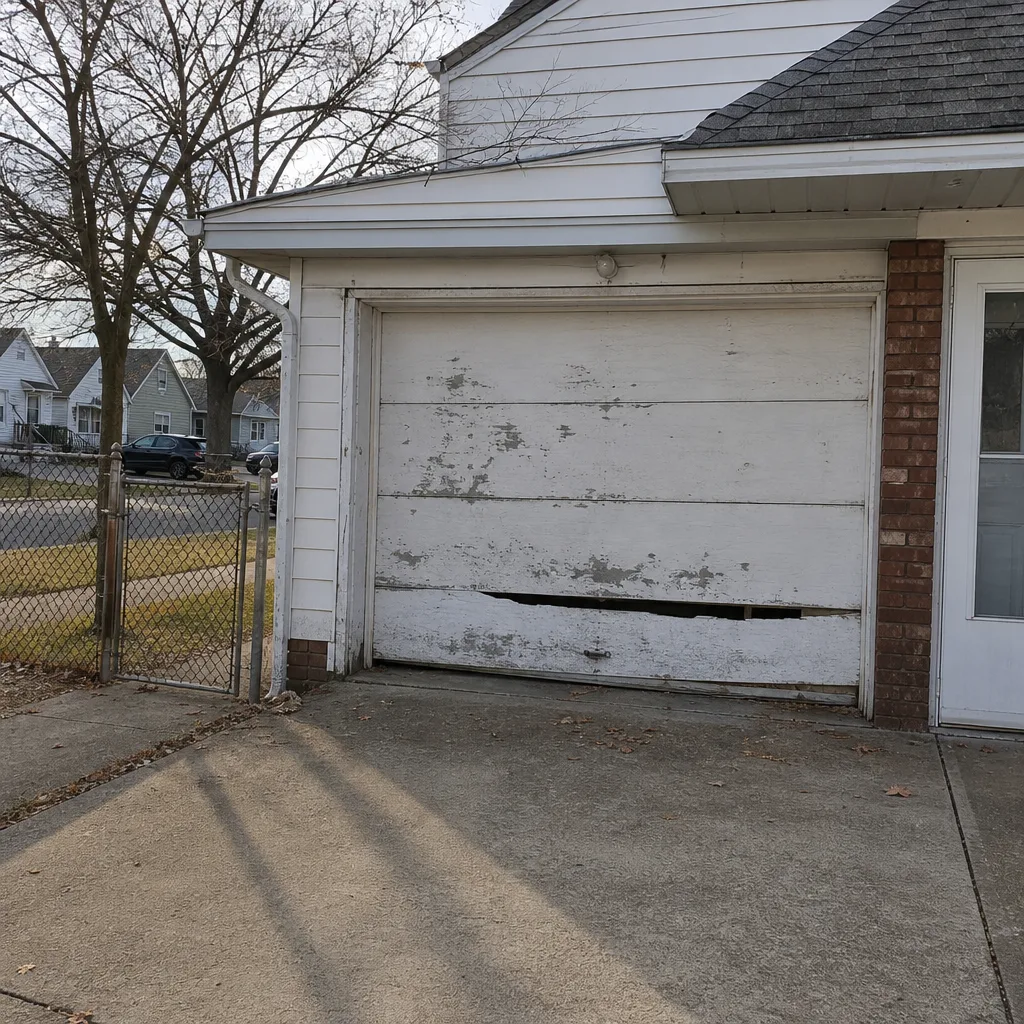 Before
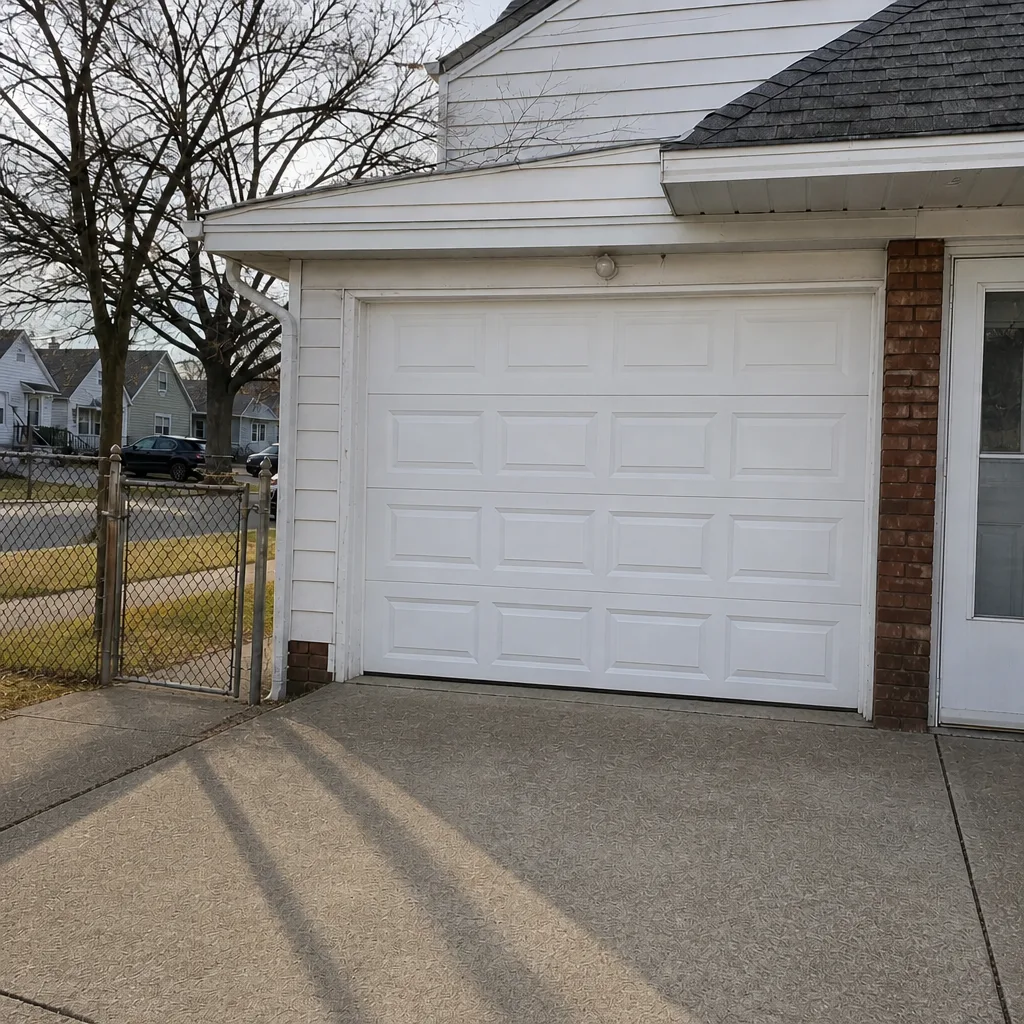 After
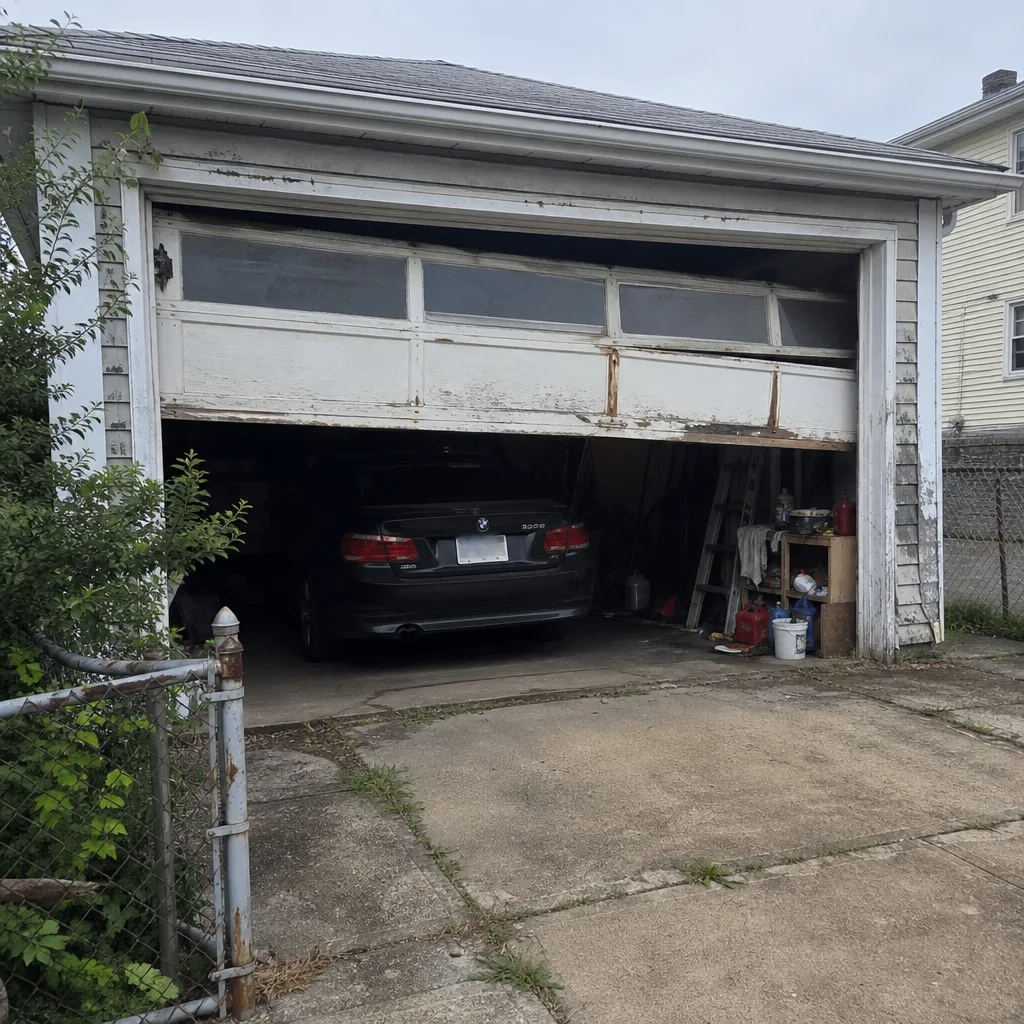 Before
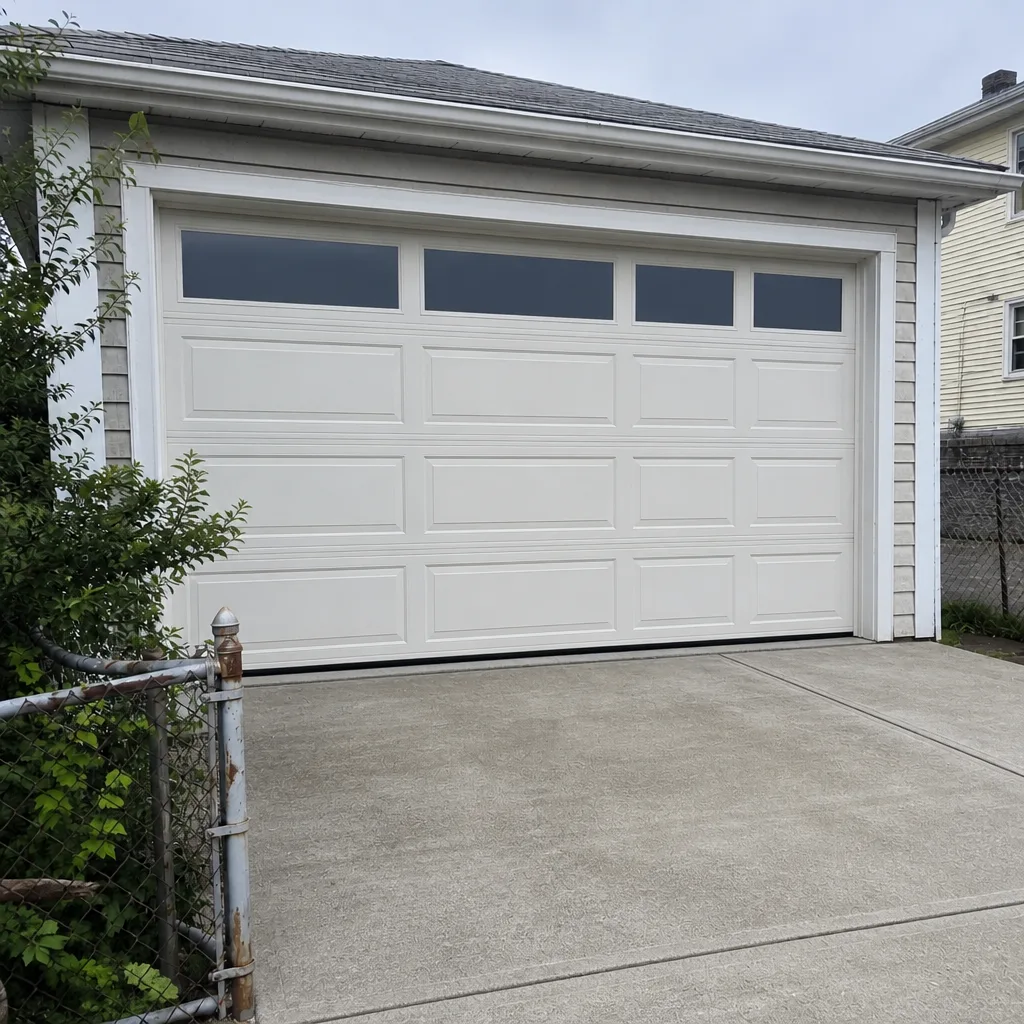 After
When to Call a Professional
Some garage door issues are simple, and some are genuinely dangerous. The rule we give customers is straightforward: anything involving the spring, the cables, the bottom brackets, or the door’s balance, that’s a call. Electrical work on an opener, wiring, and the wall controls is also better handled by someone who does it every week. The flip side is that a squeaky door, a roller that’s sticking, or a door that’s gone slightly off-track may be a quick professional visit rather than a costly replacement. Don’t assume a problem is a big job until someone who knows has looked at it.
The other scenario that should trigger a call is your own gut. If the door’s behavior has changed, or you find yourself lifting the door by hand out of habit, that’s a sign something is losing its balance. Garage Door Repair Canarsie offers free estimates in Canarsie. Call (844) 443-4493 and we’ll send someone out to look, whether it’s spring repair, opener diagnosis, or a replacement quote. Estimates are free and the written price is the price.
Frequently Asked Questions
Spring repair is typically priced per spring, and a matched pair is usually replaced together, so pair pricing runs about twice the single-spring estimate. The exact price depends on the spring size, the door’s weight, and whether hardware around the spring needs replacing too. The written estimate sets the final price before any work starts, and we’ll quote the spring and anything else we find before touching the door. Call (844) 443-4493 for a free estimate.
For repair calls, yes, same-day service is often available and dispatch runs from 7am to 7pm. Emergency responses for doors that won’t close, doors that have fallen off track, or spring failures are part of what we do, and we can usually get someone out the same day. For a new door or opener installation, the sequence is different: we measure first and schedule the installation after the door is ordered. Call (844) 443-4493 for a free estimate and we’ll give you a realistic time window.
No, not without your agreement. The estimate is written and agreed before any work starts, so the price you’re quoted is the price you pay unless you approve additional work we discover and explain. If we find something a prior visit missed, we’ll stop and give you a new written estimate. You decide whether to proceed. Call (844) 443-4493 for a free estimate.
Yes, we service the eight major manufacturers: LiftMaster, Chamberlain, Genie, Clopay, Amarr, Wayne Dalton, Craftsman, and Raynor. If your door or opener is from one of those brands, we can diagnose and fix it without pushing you toward a different brand. For a door outside that list, call us and we’ll tell you honestly whether we can help. Call (844) 443-4493 for a free estimate.
Sometimes, yes, depending on whether the garage is attached to living space and what’s changing. In attached or semi-attached structures, the door can be part of the building envelope and fire separation, and replacing it in a way that changes size, weight, or rating can require a permit from the NYC Department of Buildings. The safe move is to ask your contractor to confirm for your specific job and to call the DOB directly if you want certainty before work is scheduled.
Torsion springs twist along a horizontal bar above the door, and extension springs stretch along the sides. Torsion systems are common in newer installs because they fail more predictably, use less ceiling clearance, and give smoother operation. Extension springs can be common in older doors. Either system is safety-critical, and neither should be repaired by a homeowner. We replace both and will tell you plainly which one your door has.
The Bottom Line
Garage doors in Canarsie are their own puzzle. The tight clearance in attached and semi-attached garages rules out more door styles than most guides admit, and the moisture near Jamaica Bay accelerates wear on springs and hardware faster than you’d expect in a drier part of Brooklyn. The right approach is the same one we use on every job: measure the envelope, pick a brand that manufactures a door for that space, account for the permit question up front, and watch for the small signals before they become failures. Springs and openers are repair jobs when diagnosed properly. Full replacements are for panels and structural issues. Either way, the written price should come before the work. If you’re ready to stop guessing and get a real estimate, call Garage Door Repair Canarsie today at (844) 443-4493. Free estimates, and we work on your brand, not just ours.
Written by the team at Garage Door Repair Canarsie.