Last updated November 21, 2026
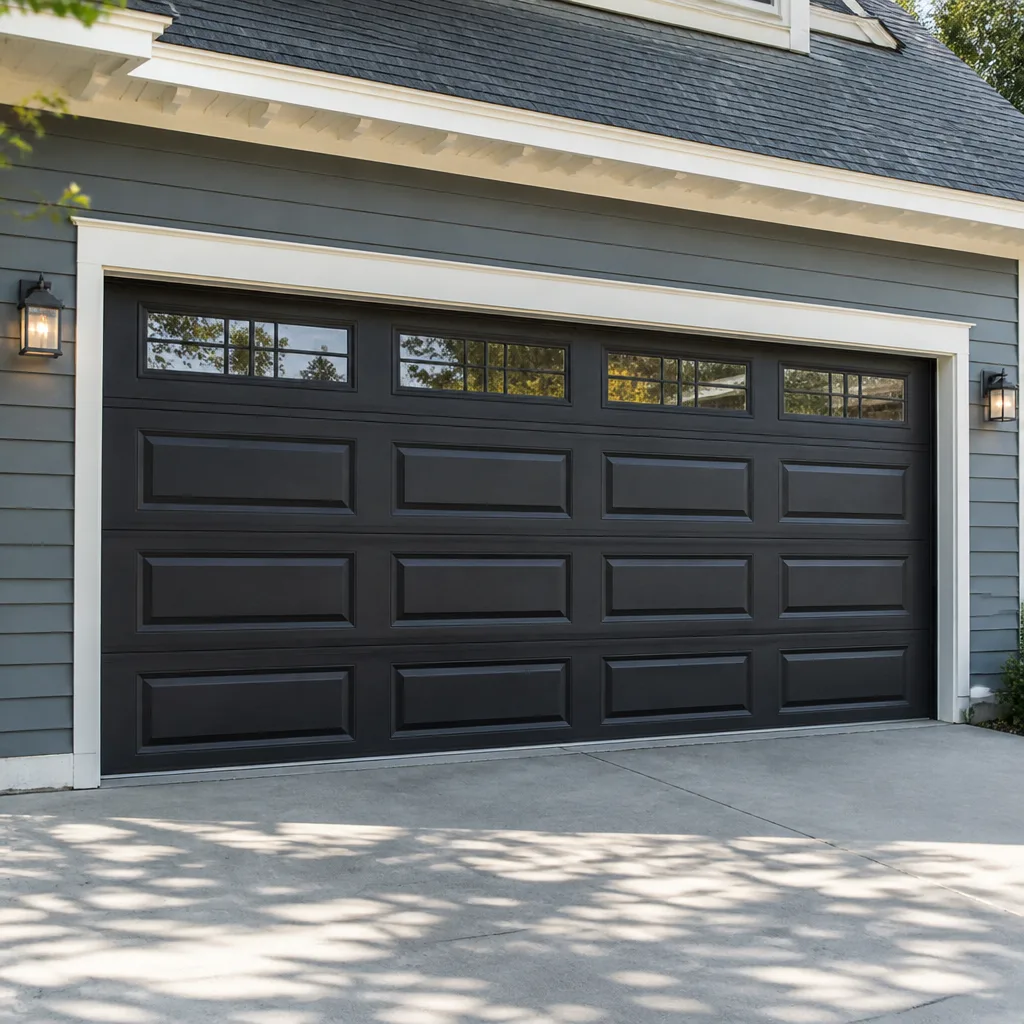 Raised-panel steel
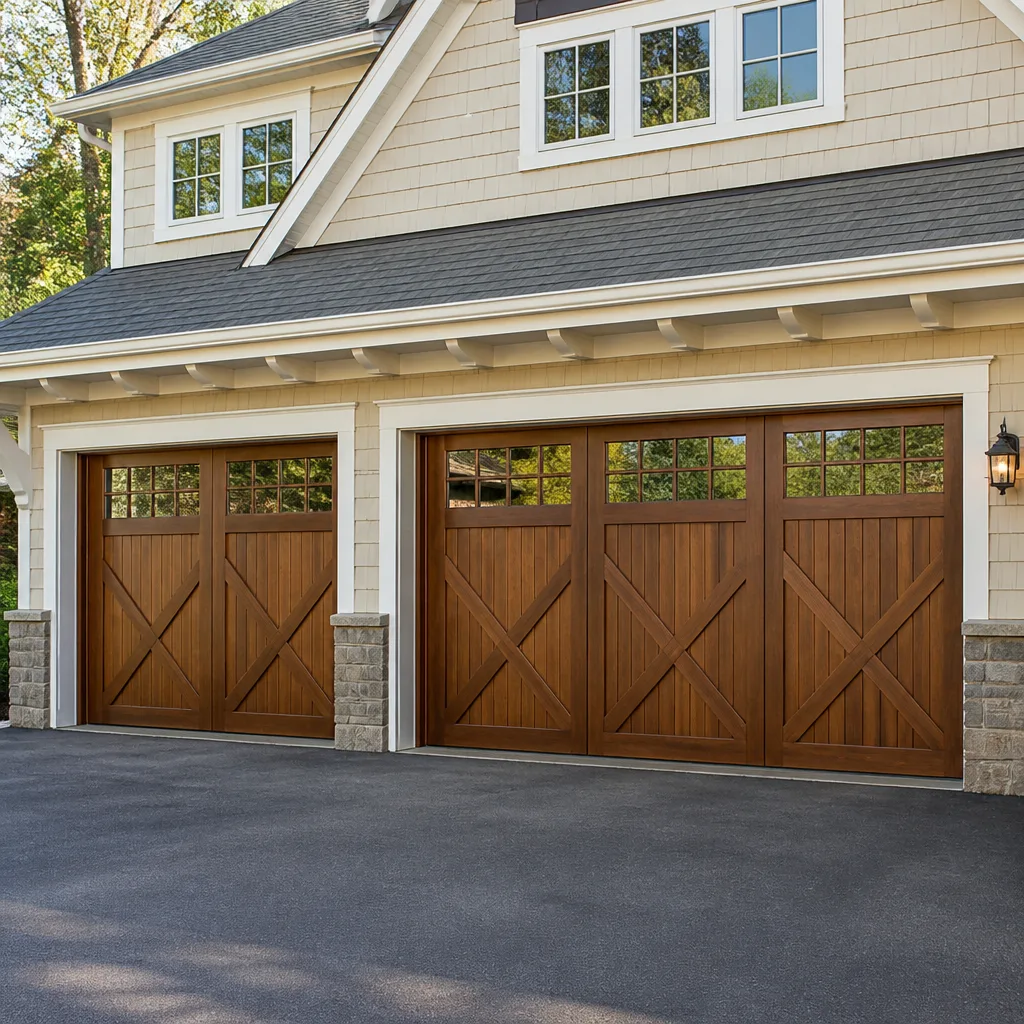 Carriage house
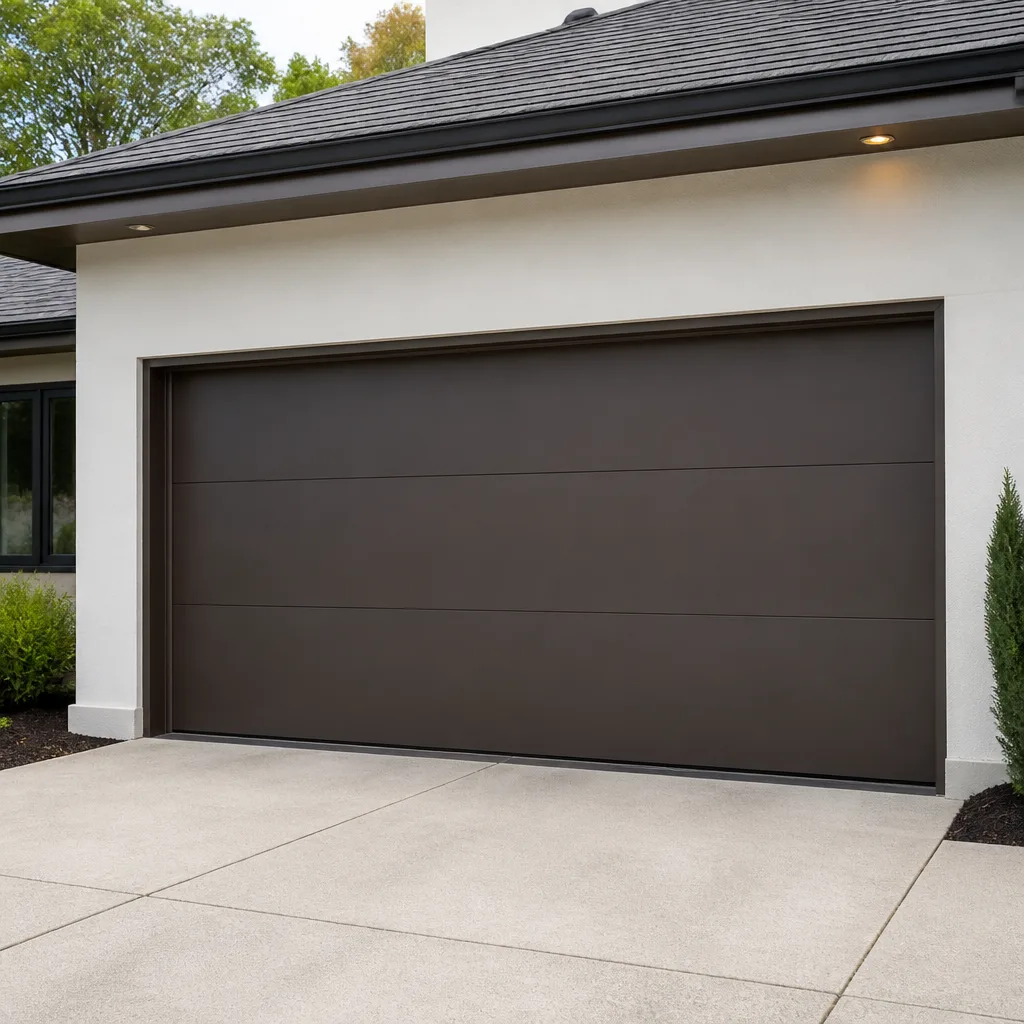 Modern flush
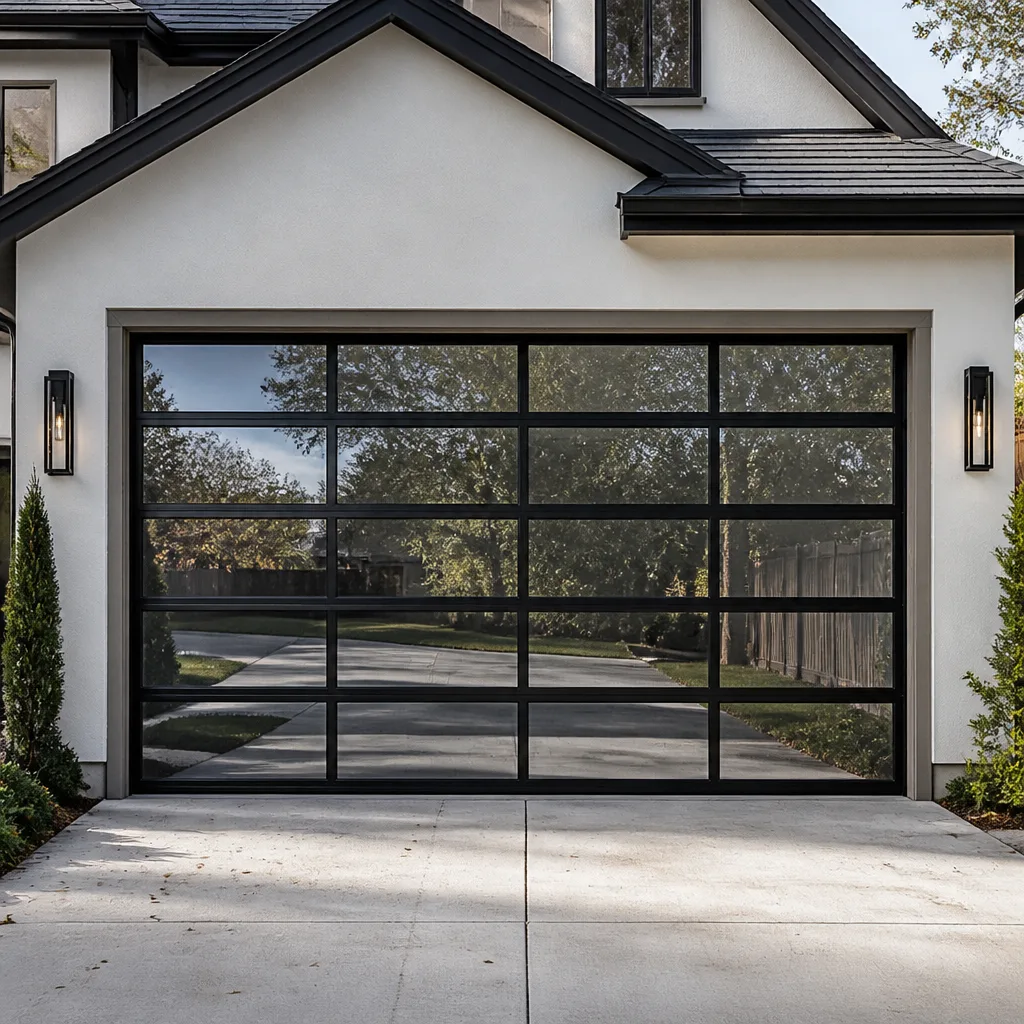 Full-view glass
 LiftMaster openers
 Chamberlain openers
Full 25-point door and opener safety check with every visit - springs, cables, rollers, tracks, and your LiftMaster or Chamberlain opener included
You get a price before we start. It does not change when the pro arrives.
Get your free estimateSeasonal Garage Door Care for Canarsie: Year-Round Homeowner’s Guide
February is the busiest emergency repair month for garage doors in Canarsie, and it isn’t because homeowners ignored their doors all winter. It’s because most of us winterize for a generic cold climate. Canarsie doesn’t have a generic cold climate. Sitting where Jamaica Bay’s marine air meets the road-salt spray that Belt Parkway traffic throws around all year, your door hardware faces a corrosion and temperature-swing profile that stock seasonal checklists don’t account for. That’s why a door that survived fifteen winters upstate can fail here in its third. This guide lays out a maintenance rhythm built for Canarsie specifically: what to do each season, which components fail first, and where the real danger starts.
Quick Answer
Seasonal garage door care in Canarsie means a four-part rhythm: flush and re-lubricate with a marine-grade lubricant before the first freeze, watch torsion spring tension through the sub-20°F snaps, inspect bottom brackets, cables and hinges for salt-driven rust right after road-salt season, and check for humidity swelling and track misalignment in late summer. The single most-skipped step is recalibrating auto-reverse sensitivity after big temperature swings, which is what quietly burns out opener motors. Do these four things on schedule and you avoid the February and August failure spikes entirely.
Styles & brands we work with
- Raised-panel steel
- Carriage house
- Modern flush
- Full-view glass
- LiftMaster openers
- Chamberlain openers
Table of Contents
- Why Canarsie Doors Age Differently Than the Rest of the City
- Fall: Winterize for Coastal Brooklyn, Not a Generic Cold Climate
- Winter: How Sub-20°F Drops Affect Torsion Spring Tension
- Spring: Post-Road-Salt Inspection Protocol for Metal Components
- Summer: Humidity, Wood Swelling and Track Alignment
- Calibrating Auto-Reverse Sensitivity After Temperature Swings
- The Canarsie Month-by-Month Maintenance Calendar
- Does Your Door Brand Change the Maintenance Schedule?
Why Canarsie Doors Age Differently Than the Rest of the City
Most seasonal garage door advice assumes two things: dry winters and a clean, salt-free environment. Canarsie gives you neither. The neighborhood’s position along Jamaica Bay means humidity stays high through the warm months, and the Belt Parkway corridor means road salt isn’t just a January problem. It gets kicked up, tracked into garages, and deposited on bottom brackets and cables, where it sits and works year-round.
The second factor is freeze-thaw speed. Doors near the water in the neighborhoods along Seaview Avenue tend to cycle through freeze-thaw faster than inland Brooklyn, because the bay moderates temperature and pushes moisture into the air. Every one of those cycles expands and contracts metal fasteners, roller stems, and the spring anchor plate. Over a season, that’s hundreds of tiny movements that loosen hardware and open microscopic gaps where rust starts.
What this means in practice:
- Metal components on Canarsie doors tend to rust from the bottom up, not from the top down, because that’s where salt spray lands.
- Wood doors absorb more moisture here than in dry climates, which changes how they swell and how they load the bottom seal.
- Torsion springs see larger and more frequent temperature swings, which shortens their service life compared to a stable climate.
- Opener motors work harder as tracks shift slightly with each freeze-thaw, which is why motor failures cluster in the same months as spring failures.
None of this is dramatic on any single day. It’s cumulative, which is exactly why a calendar matters more than a repair call. We work on doors across Canarsie, and the pattern holds: the doors that get a real four-season rhythm outlast the ones that get an annual “spray some grease on it” by a wide margin.
Fall: Winterize for Coastal Brooklyn, Not a Generic Cold Climate
Fall is when most homeowners do the wrong winterizing. Standard advice says to hit the hinges, rollers and springs with white lithium grease and call it winterized. In Canarsie, that’s a mistake, and it’s the one we see most often.
White lithium grease is a fine general-purpose lubricant, but it attracts grit and it emulsifies with moisture. In a humid, salt-exposed environment, that’s a combination that turns your lubricant into a grinding paste by February. Before the first hard freeze, you want to flush the old lubricant out, clean the pivots, and re-lubricate with a marine-grade lubricant that resists washout and holds up to moisture.
Here’s the sequence that actually works for a Canarsie door before the first freeze:
- Flush the hinges, roller stems and spring coils with a lubricant that carries the old grease out rather than layering on top of it.
- Wipe the pivots clean. Grit left in place will wear the hinge barrels all winter.
- Apply a marine-grade lubricant to the hinges, the roller bearings (not the tracks), and the spring coils.
- Keep the tracks clean and dry. Lubricant in the tracks collects grit and creates drag, which loads the opener.
- Check the bottom seal for cracks. A cracked seal lets cold air and moisture in and stiffens the rubber to the point where it fails to seal.
- Test the balance of the door by hand. A door that won’t hold position roughly halfway up is telling you the spring is already tired before winter starts.
That last step matters more than people realize. A tired spring in October becomes a snapped spring in February, because cold temperatures add load to an already-stressed torsion spring. If you’re noticing balance issues in the fall, that’s a job for a professional before the freeze, not after. You’ll find more on the symptoms in our Garage Door Repair Canarsie guide.
Winter: How Sub-20°F Drops Affect Torsion Spring Tension
Cold weather makes torsion springs stiffer and more brittle, which means a spring that was carrying load with margin in November is now working near its limit. When Canarsie gets a hard cold snap that drops below 20°F, the spring is under more stress at the exact moment the metal is least able to handle it. That’s the mechanism behind the February failure spike, and it’s why we treat spring repair as a core service rather than an add-on.
You can’t test a torsion spring the way you test a battery, and you should never try to adjust one yourself. Torsion springs are under enormous stored tension. A spring that releases suddenly can cause serious injury, and the tools needed to wind and unwind them are not homeowner equipment. What you can do is watch for the visible signs that a spring is at risk before it snaps:
- A visible gap in the coil. A torsion spring that has started to separate has a gap where a coil should be continuous. That’s a spring near failure.
- Loud bang from the garage. A torsion spring failing sounds like a gunshot. If you hear it, don’t try to lift the door.
- Door won’t lift or feels extremely heavy. That’s the spring no longer carrying its share of the load.
- Door lifts a few inches and stops. The opener is trying to lift a door the spring should be helping with, and it will burn out if you keep trying.
- Uneven door travel. One side lagging behind the other can indicate a spring, a cable, or a track problem.
If you see any of these before or during a cold snap, stop operating the door and call. The cold makes the risk higher, not lower. Our team handles garage door repair across Canarsie and can diagnose a tired spring before it fails, which is a far cheaper and safer call than an emergency repair in a February cold snap.
Spring: Post-Road-Salt Inspection Protocol for Metal Components
By the time winter ends, your door has spent months collecting road salt on the components closest to the ground. Spring is the right time to look, because salt-driven rust is progressive: catch it in April and you’re replacing a bracket; miss it until fall and you may be replacing cables and hardware.
The components that rust first in Canarsie are always the same three, in this order:
- Bottom brackets. These live a few inches off the floor, right where salt spray lands. Look for orange rust bloom, pitting, or any looseness in the bracket bolts.
- Cables. Cables run from the bottom bracket up to the drum, and salt exposure frays and corrodes them. Run a gloved hand along the cable (with the door closed and the spring unwound by a professional, or simply by visual inspection) and look for broken strands, kinks, or a fuzzy texture that means the cable is compromised.
- Hinges. Hinge barrels collect salt and rust from the inside. A hinge that’s stiff or squealing in April is a hinge that will bind by summer.
After you’ve identified what needs attention, the protocol is straightforward:
- Clean the affected components with a rust-inhibiting cleaner, not just a wire brush.
- Re-lubricate hinges and roller stems with the same marine-grade product you used in fall.
- Replace any bottom bracket or cable showing more than surface rust. These are safety components, not cosmetic ones.
- Check the roller track for salt grit and clean it out before it wears the rollers.
- Look at the spring anchor plate and the center bearing plate for rust around the bolts, which is a sign of a loosening anchor.
If any of this is beyond a visual check, that’s the point to call. Cables and bottom brackets are load-bearing safety components under tension, and a corroded cable that snaps can do real damage. We handle garage door opener repair and the full mechanical system, so if the salt season has taken a toll on the opener as well as the door, it all gets diagnosed in one visit.
Summer: Humidity, Wood Swelling and Track Alignment
Summer in Canarsie brings the opposite problem from winter: humidity. Bay air keeps moisture in the atmosphere through the warm months, and wood garage doors absorb it. A wood door that fits perfectly in March can swell enough by July to bind in the frame, drag on the bottom seal, and push the roller track out of alignment.
The failure pattern looks like this. The door panels swell slightly, which changes the geometry of how the door sits in the opening. The bottom seal compresses harder against the floor, which adds friction. The rollers, now carrying a slightly misaligned load, wear unevenly. The opener compensates by working harder, and the motor runs hotter. Over a single season, that’s enough to shorten the life of the opener and to make the door noisy and slow.
What to check in summer:
- Bottom seal compression. A seal that’s mashed flat or torn lets in water and insects and indicates the door is dragging.
- Track alignment. Run a level along the vertical tracks. If they’ve shifted, the rollers will bind and the door will run rough.
- Panel swelling on wood doors. Look for tight fits at the frame and any bowing in the panels.
- Roller condition. Worn rollers show flat spots and cause the door to wobble as it travels.
- Opener strain. A door that’s noticeably slower or louder in July than it was in April is telling you the humidity has changed the load.
Adjusting track alignment is a job for someone with the right tools and a level, because a track that’s off by a fraction of an inch will wear the rollers and the opener over a season. If your door is binding every summer, we can look at whether it’s a track issue, a seal issue, or a sign the door is ready for replacement. Our garage door installation service covers the full range from a single panel fix to a full replacement when the door has run its course.
Calibrating Auto-Reverse Sensitivity After Temperature Swings
This is the step almost every homeowner skips, and it’s the one that quietly kills opener motors. The auto-reverse system on your opener uses force sensing to detect an obstruction and reverse the door. That force setting is calibrated to a specific door weight and track friction. When temperature swings change both, the opener’s sensitivity is out of step with the door, and it either reverses when nothing is there or fails to reverse when it should.
You can test auto-reverse without tools, and you should test it after every major temperature swing. Here’s the test:
- With the door open, place a small block of wood or a roll of paper towels flat on the floor in the door’s path.
- Close the door using the opener.
- The door should reverse on contact with the object and return to the open position.
- If the door stops on the object or crushes it before reversing, the sensitivity is set too low and needs adjustment.
- Repeat the test on the other side of the door to check for uneven force.
If the door fails the test, the fix is usually an adjustment to the force setting on the opener, but the correct setting depends on the door’s actual weight and track condition. Setting it too sensitive causes nuisance reversals, and setting it too loose defeats the safety system. On a LiftMaster or Chamberlain unit, the adjustment is usually a screw or a menu setting; on a Genie, it’s a dial on the back of the motor head. We service all three and can recalibrate the force setting to match the door, which is the safest path. You can also check your owner’s manual for the exact procedure on your model, since the adjustment varies by brand and generation.
This matters most after a hard cold snap or a humid stretch, because those are the moments when the door’s effective weight changes most. If your opener has been reversing at random or failing to reverse, don’t ignore it. That’s a safety system telling you something is off.
The Canarsie Month-by-Month Maintenance Calendar
Here’s the rhythm, condensed. This is the schedule that keeps Canarsie doors out of the February and August failure spikes.
- October-early November: Flush and re-lubricate with marine-grade lubricant. Test door balance by hand. Inspect bottom seal.
- December: Test auto-reverse. Listen for new noise on the opener. Check the spring coil visually for gaps.
- January-February: Watch for the spring warning signs. Avoid heavy use during cold snaps. If the door feels heavy, stop and call.
- March-April: Post-salt inspection of bottom brackets, cables and hinges. Replace anything with more than surface rust.
- May: Clean track grit. Check roller condition. Re-lubricate hinges and stems.
- June-July: Test bottom seal compression and track alignment. Listen for swelling-related binding on wood doors.
- August: Re-test auto-reverse after the peak humidity. Check opener strain.
- September: Full system check before the cycle starts over.
Two of these checks (the spring inspection and the cable and bracket replacement) should be done by a professional, because the components are under tension. The rest you can do yourself. What matters is that the calendar gets followed, not that you do every step yourself.
Does Your Door Brand Change the Maintenance Schedule?
Not much, but it does change who should work on it. The seasonal rhythm above applies to every brand because it’s driven by Canarsie’s environment, not by the manufacturer. What changes is the specifics of lubrication points, force adjustments, and part numbers.
We work on eight of the industry’s leading brands, including LiftMaster, Chamberlain, Genie, Clopay, Amarr, Wayne Dalton, Craftsman and Raynor. That matters because most local shops stock parts for one or two brands and will try to talk you into a replacement when a repair is what you need. A Clopay wood door with humidity swelling needs a different fix than a steel door, and a LiftMaster opener with a smart-home integration needs a technician who knows the myQ platform, not one who’s guessing. We work on your brand, not just ours.
If your door is at the point where the seasonal maintenance is costing more than the door is worth, we also handle full installation. You don’t need a second provider when the door crosses that line.
Common Mistakes to Avoid
- Using white lithium grease for winterizing in Canarsie. It attracts grit and holds moisture. A marine-grade lubricant holds up better to the local humidity and salt.
- Ignoring a spring that’s already showing its age in the fall. A tired spring in October is a snapped spring in February. The fall balance test is cheap; the February emergency call isn’t.
- Lubricating the tracks. Tracks should be clean and dry. Lubricant in the tracks collects grit and drags the rollers.
- Forgetting the auto-reverse test after temperature swings. This is the single most-skipped step in the guide, and it’s the one that burns out opener motors.
- Trying to adjust a torsion spring yourself. This is the highest-risk mistake on the list. Springs are under massive tension and can cause serious injury. Use a trained professional.
- Ignoring rust on bottom brackets and cables. These are load-bearing safety components. Surface rust can be cleaned; deep pitting means replacement.
- Skipping the post-salt inspection. Canarsie’s road salt exposure is year-round, but the damage accelerates in winter. Spring is when it’s cheapest to catch.
See the difference
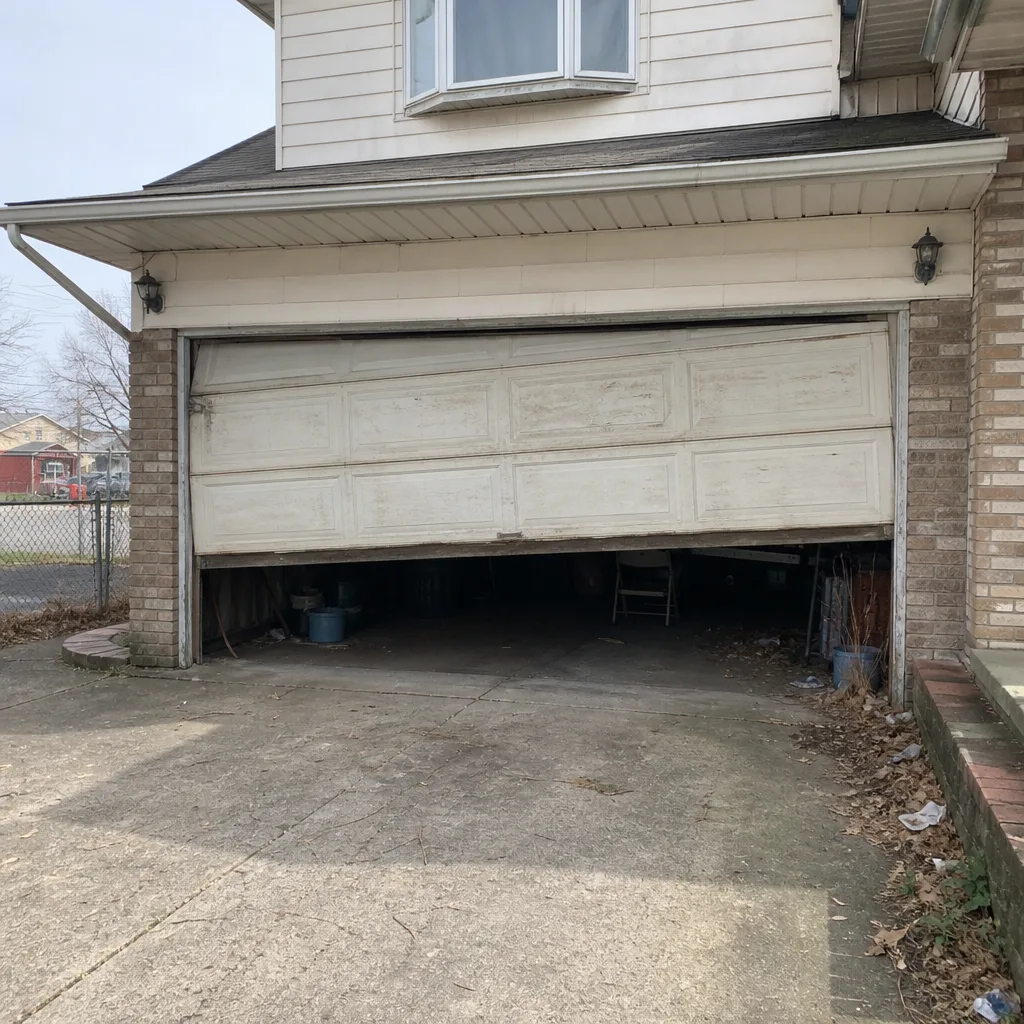 Before
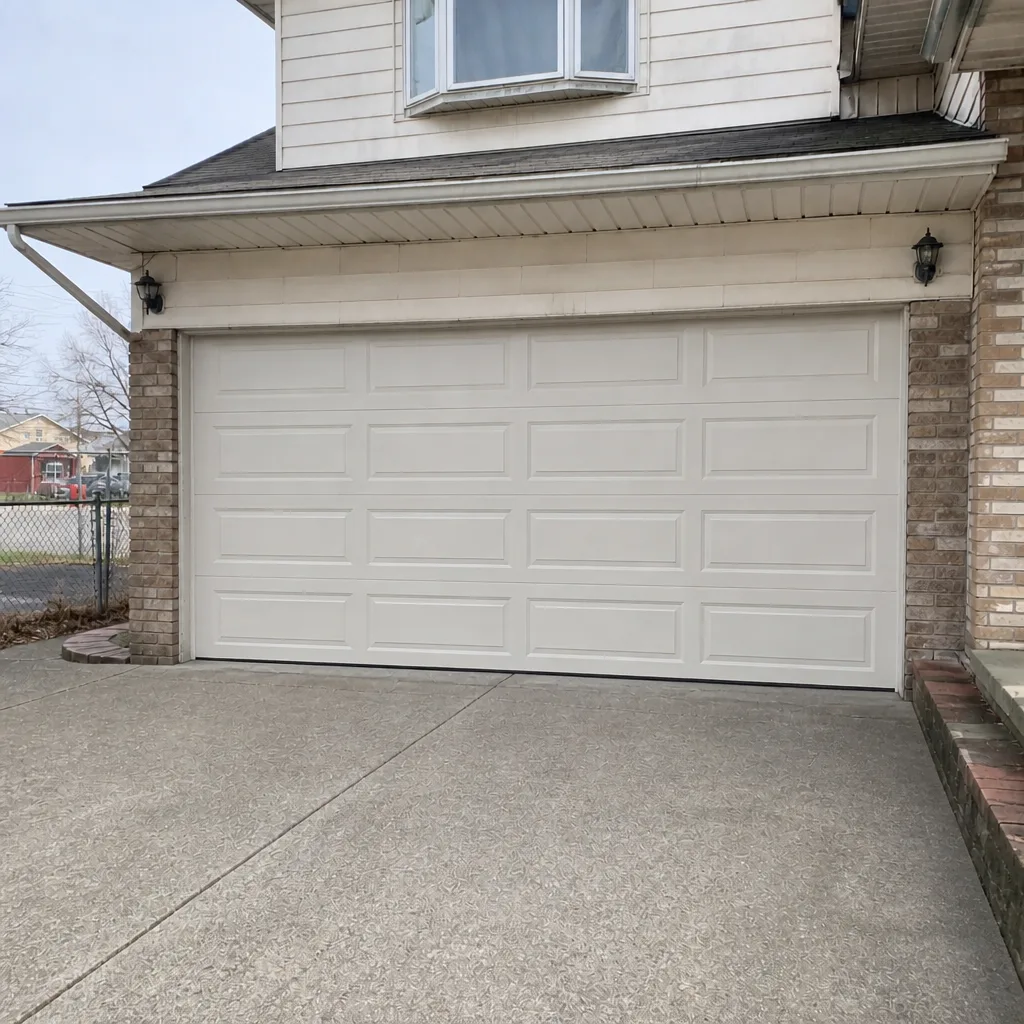 After
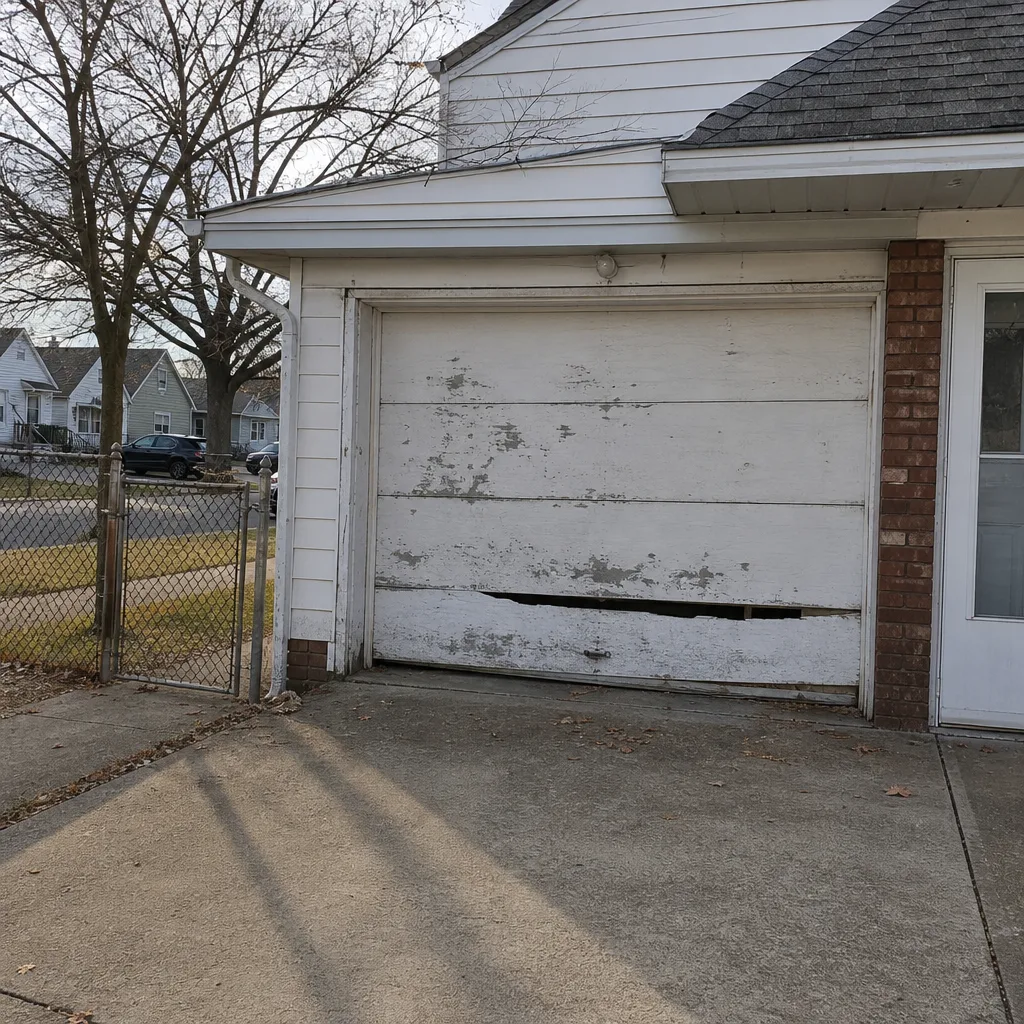 Before
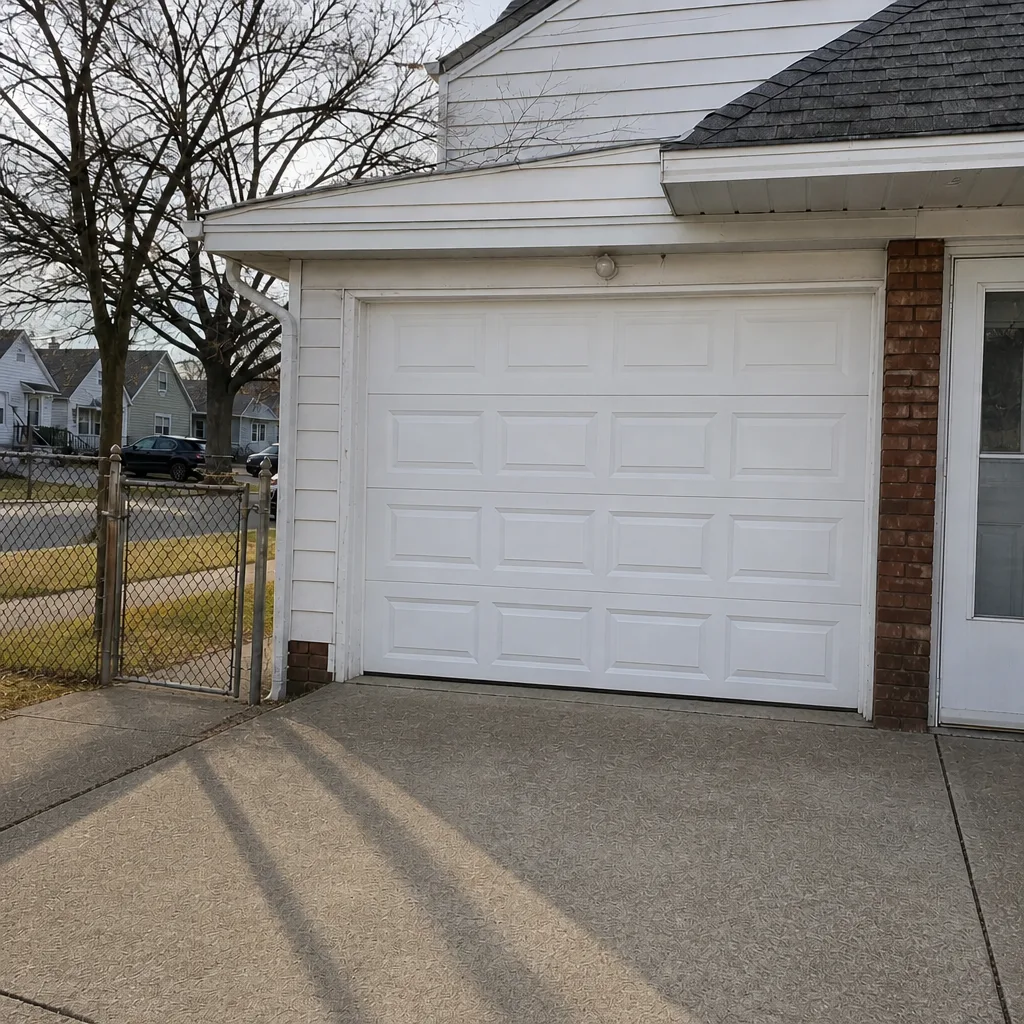 After
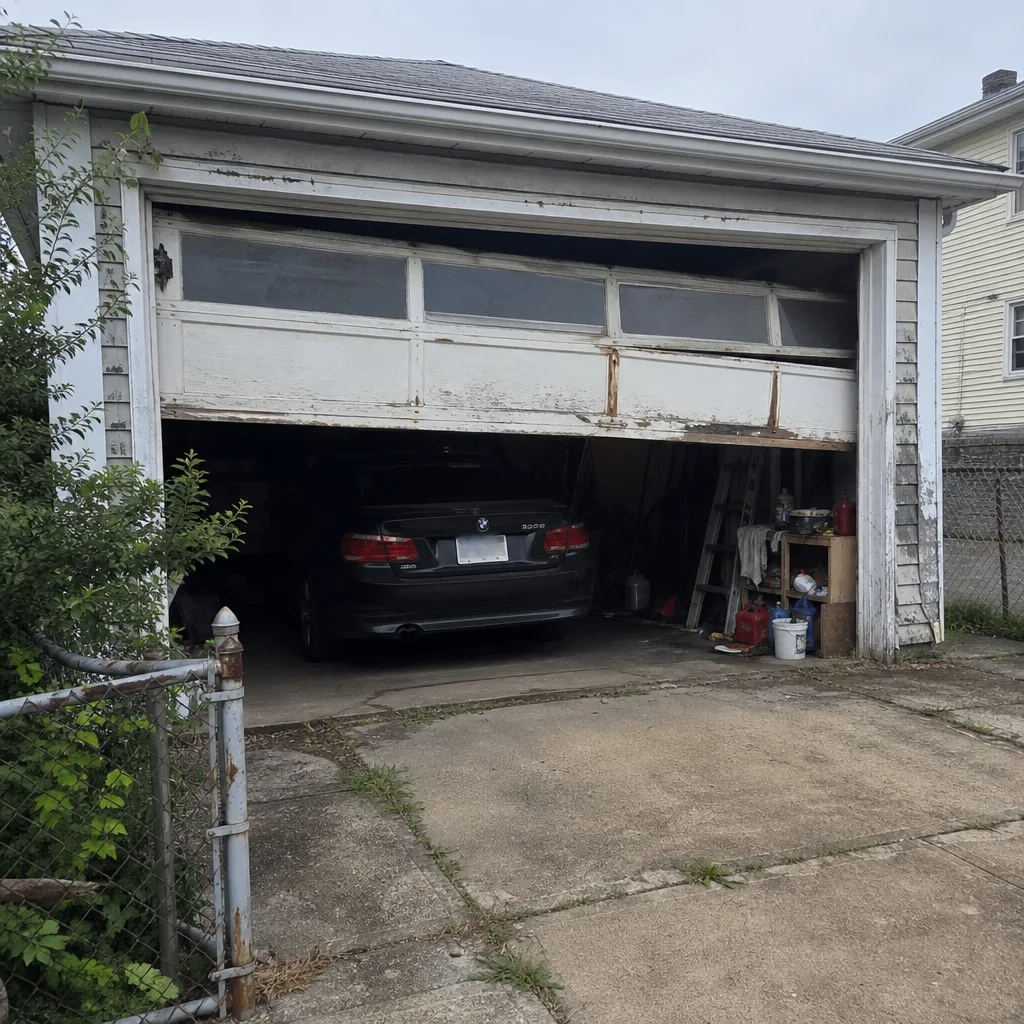 Before
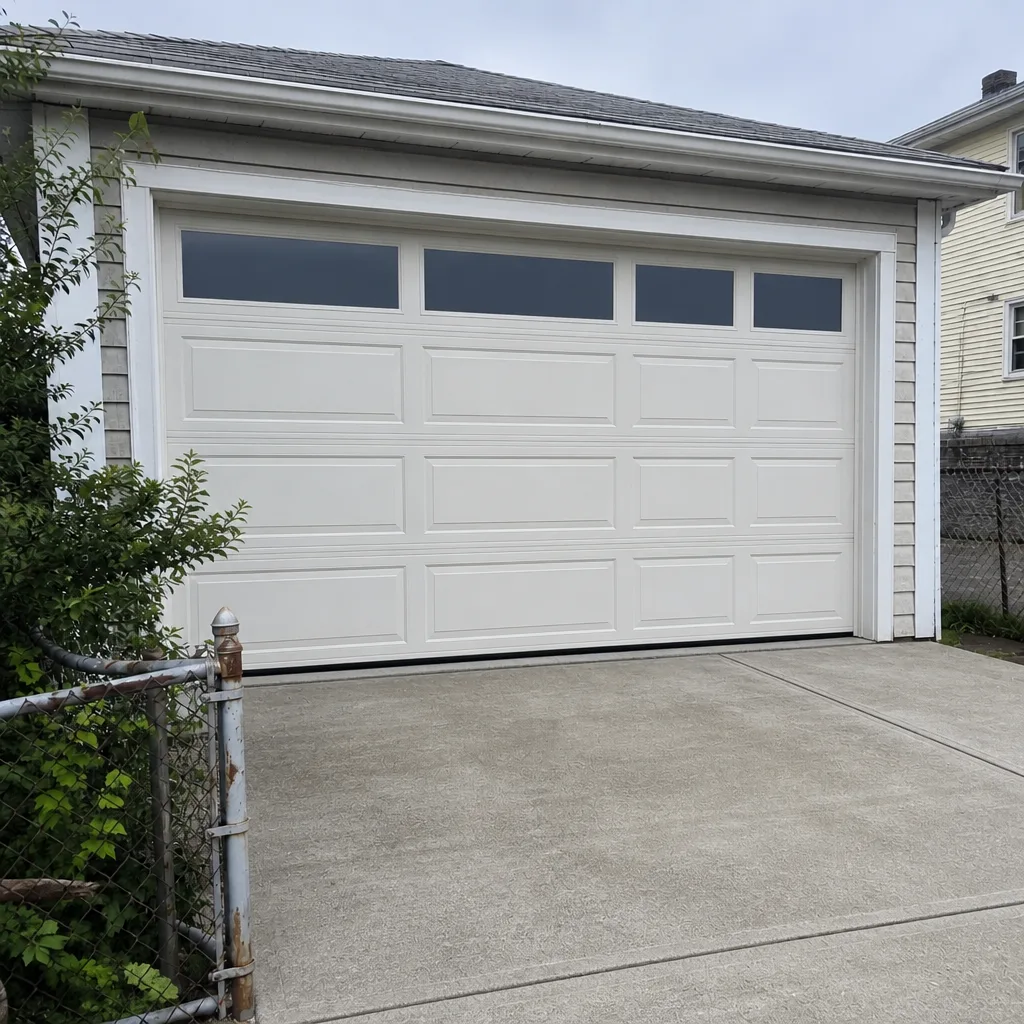 After
When to Call a Professional
Call a professional if you see a gap in the torsion spring coil, if the door won’t lift or lifts only a few inches, if a cable looks frayed or has broken strands, if a bottom bracket is pitted or loose, or if the opener reverses at random or fails the auto-reverse test after adjustment. Call immediately if you hear a loud bang from the garage, since that’s almost always a spring failing. These are safety-critical components and they should not be handled without the right tools and training. Garage Door Repair Canarsie offers free estimates in Canarsie. Our technicians have up to 14 years of experience, and we service eight major brands, so the fix is matched to your door, not to what we happen to stock. Call (844) 443-4493.
Frequently Asked Questions
Twice a year, once before the first freeze and once in late spring. In Canarsie’s humid, salt-exposed environment, a once-a-year lubrication schedule isn’t enough, because the lubricant washes out faster here than in a dry climate. Use a marine-grade lubricant, not white lithium grease.
Cold makes torsion springs stiffer and more brittle, and Canarsie’s sub-20°F snaps put the spring under more load at the exact moment the metal can least handle it. A spring that was already tired in the fall will usually fail during those cold snaps. Call (844) 443-4493 for a free estimate if you’re seeing warning signs.
You can test it yourself, but adjusting it correctly requires knowing the door’s actual weight and track condition. Setting it too sensitive causes nuisance reversals, and setting it too loose defeats the safety system. Call (844) 443-4493 and we’ll recalibrate it to match your door.
Humidity is swelling the wood panels, which changes the door’s fit in the frame and pushes the track out of alignment. That adds friction, and the opener compensates by working harder. It’s a Canarsie-specific pattern driven by bay humidity, and it gets worse each season if the track isn’t corrected.
We service eight of the industry’s leading brands, including LiftMaster, Chamberlain, Genie, Clopay, Amarr, Wayne Dalton, Craftsman and Raynor. If your door or opener is one of those, we can diagnose and repair it without pushing you toward a replacement brand. Call (844) 443-4493 for a free estimate.
The fall balance test and the marine-grade re-lubrication before the first freeze. Those two steps prevent the February spring failures that drive most emergency calls in Canarsie. Call (844) 443-4493 if you’re not sure how your door is holding up going into winter.
The Bottom Line
Canarsie’s garage doors face a specific combination of bay humidity, road salt, and fast freeze-thaw cycles that a generic seasonal checklist doesn’t address. The four-part rhythm in this guide (marine-grade fall lubrication, winter spring watching, post-salt spring inspection, and summer humidity checks) is calibrated to that environment, and the auto-reverse recalibration is the step that saves your opener motor. The goal is prevention: a maintained door in Canarsie doesn’t fail in February or August, because the warning signs were caught in October and April. If you’d rather have a professional walk the calendar with you, we’re here.
Call (844) 443-4493 for a free estimate and a clear picture of where your door stands before the next season turns.
Written by the team at Garage Door Repair Canarsie.