Last updated November 21, 2026
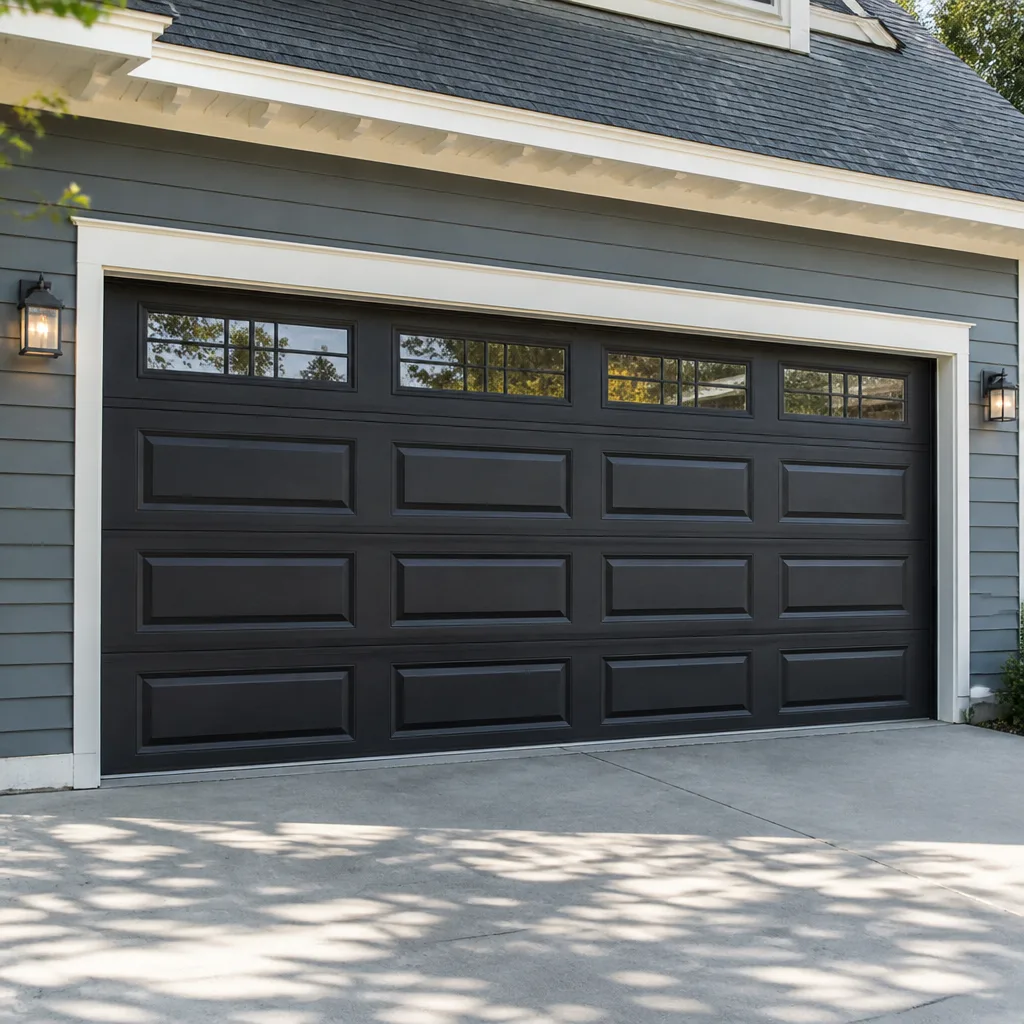 Raised-panel steel
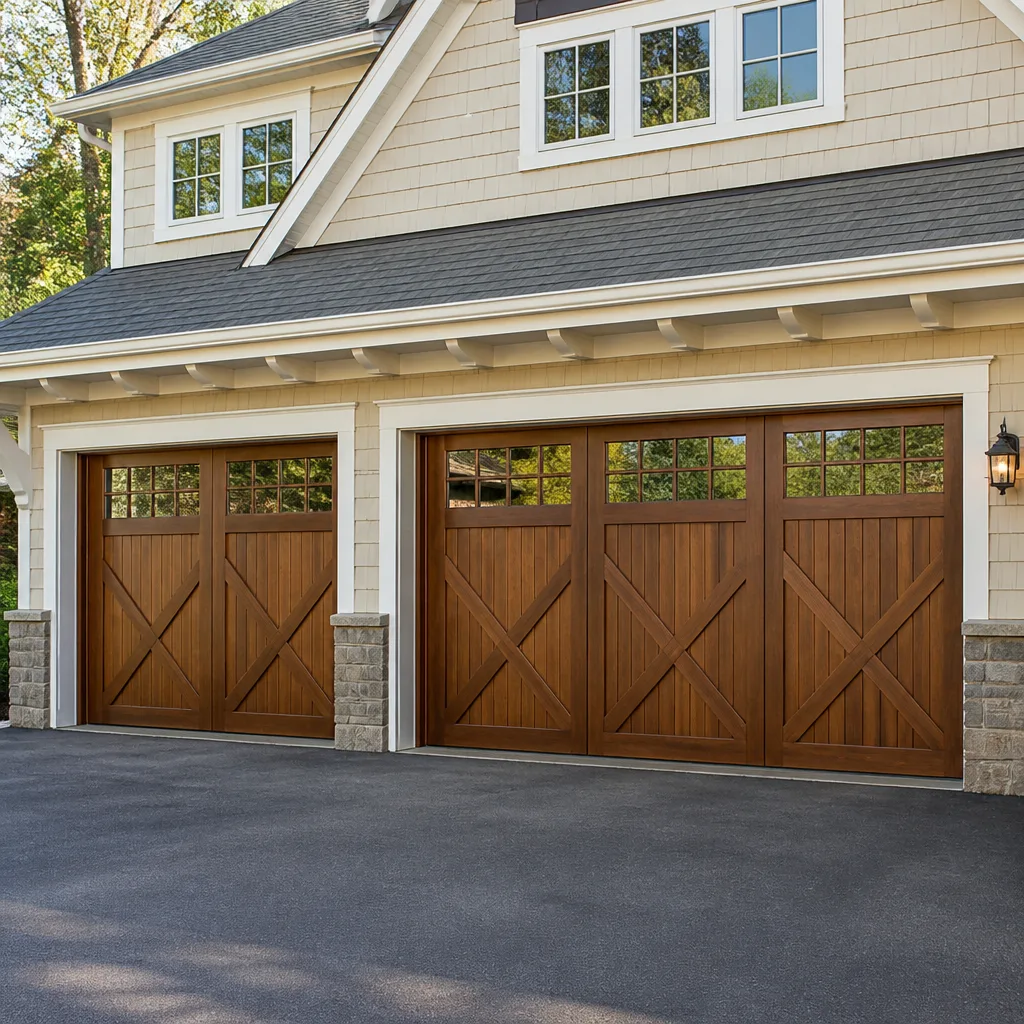 Carriage house
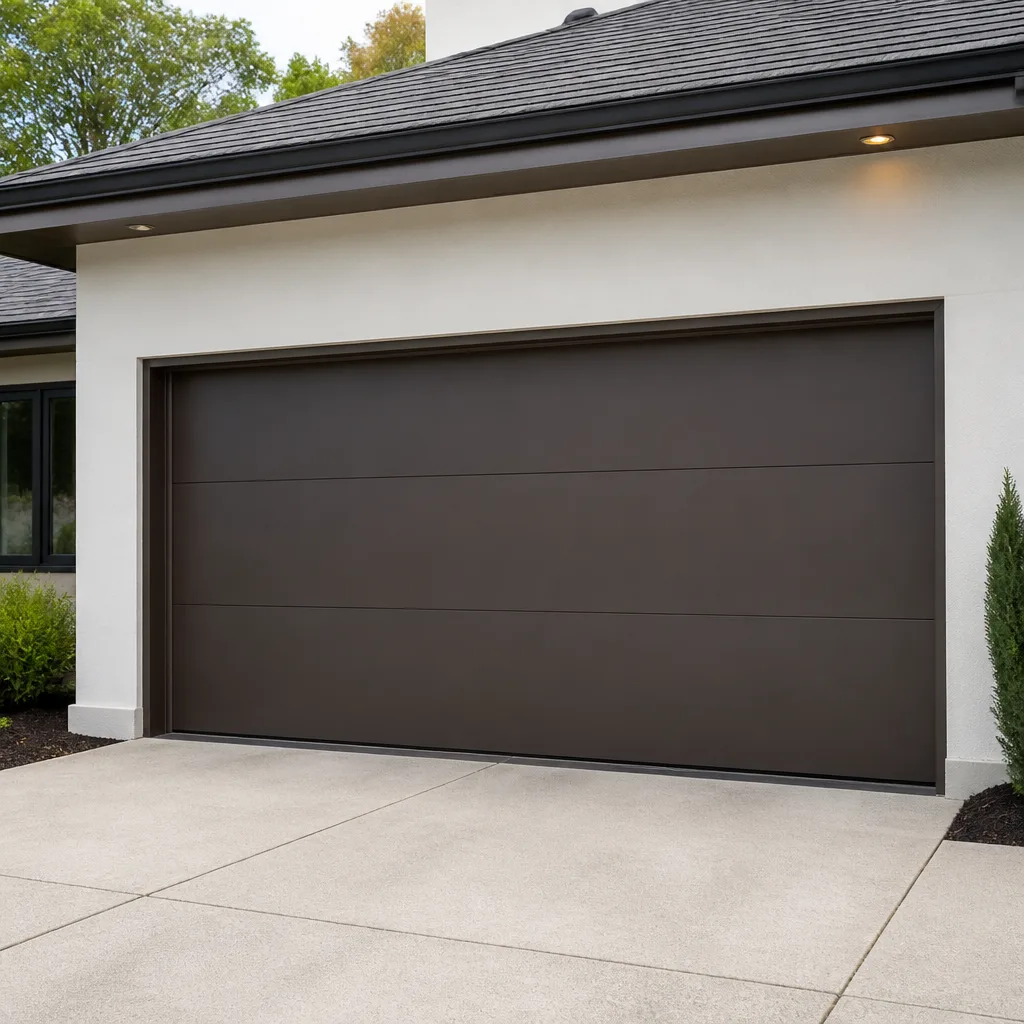 Modern flush
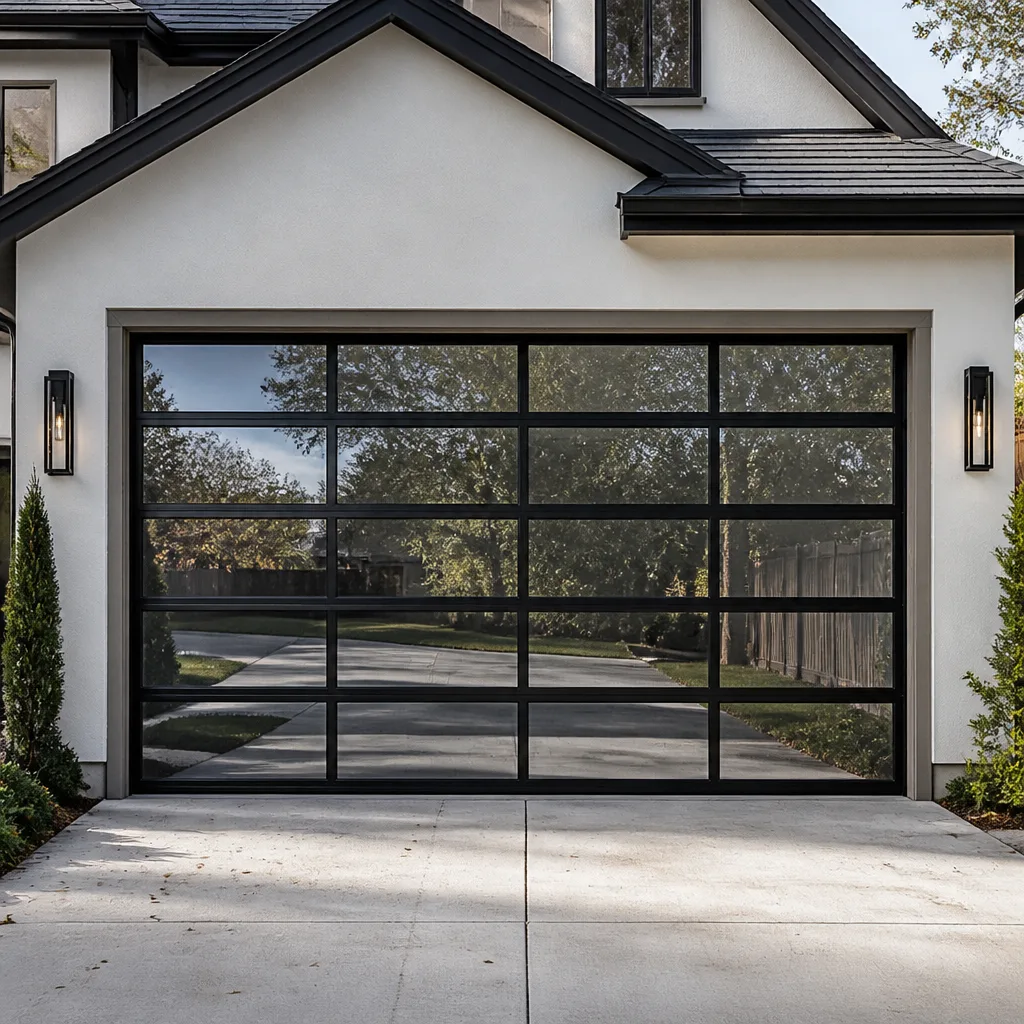 Full-view glass
 LiftMaster openers
 Chamberlain openers
Full 25-point door and opener safety check with every visit - springs, cables, rollers, tracks, and your LiftMaster or Chamberlain opener included
You get a price before we start. It does not change when the pro arrives.
Get your free estimateGarage Door Warning Signs: A Canarsie Homeowner’s Reference Guide
Most garage door warning-sign articles treat every noise as the same problem. A rhythmic clicking and a grinding at the top of travel get filed under “strange noises mean something’s wrong,” which tells you nothing you can act on. In a Canarsie house with an attached garage, that difference matters: one points to a worn roller you can watch for a while, the other points to a limit switch that’s about to leave your door stuck open. This guide maps specific sounds, movements, and visual cues to specific mechanical failures, so you can walk out to your garage, listen and look, and know which system is failing and how fast you need to move. Pressing the button is not diagnosing the door; this is.
Quick Answer
The most serious garage door warning signs are a door that stops or reverses without warning, a visible gap in a torsion spring, a frayed or slack cable, and a door that rises unevenly from one side. Of those, asymmetrical cable tension is the one that means cut power to the opener immediately. Popping, grinding, clicking, and scraping noises each point to a different component, and matching the sound to the part is how you decide whether to monitor the door or stop using it.
Styles & brands we work with
- Raised-panel steel
- Carriage house
- Modern flush
- Full-view glass
- LiftMaster openers
- Chamberlain openers
Table of Contents
- The Sound-to-Cause Matrix: What Each Noise Tells You
- Visual Inspection: Monitor It vs. Stop Using the Door
- Movement Patterns and What They Diagnose
- Reading Blinking-Light Codes on LiftMaster and Chamberlain Openers
- The One Sign That Means Cut the Power
- Canarsie Conditions That Accelerate Wear
- When to Call a Professional
- Frequently Asked Questions
The Sound-to-Cause Matrix: What Each Noise Tells You
Your ears are the fastest diagnostic tool you have, if you know what you’re listening for. A garage door is a chain of moving parts, and each part fails with a signature sound. Here’s how we sort the five most common noises and what each one usually means.
- Popping or a loud bang from the center of the door: That’s almost always a torsion spring breaking. A spring under tension releases all at once, and the pop is the coil snapping. Stop using the door. The door may still be sitting on a single spring or unsupported, and forcing it invites a much bigger failure.
- Grinding that’s worst at the very top or bottom of travel: Grinding at the limits of travel points to a limit switch inside the opener, not the door itself. The opener is still pushing after the door has reached its stop. That’s an adjustment or a switch problem, not worn hardware, and it needs a technician to reset travel limits correctly.
- Rhythmic clicking on the way up: A steady click-click-click synced to the door’s movement usually means a worn or flat-spotted nylon roller, or a loose hinge. It’s the least urgent sound on this list, but a failing roller scores the track over time.
- Scraping or metal-on-metal: The door panel or a roller is dragging against a bent track. Scraping often gets louder the further the door travels. This is a stop-and-look sound, because a dragging roller can pull a hinge loose.
- Banging or a heavy thud on closing: The door is slamming into the floor harder than it should. Either the down-travel limit is set too low or the spring tension has weakened. Banging wears out bottom seals and stresses the whole frame.
The usefulness of this matrix is that it moves you from “something sounds off” to “that’s the limit switch” or “that’s a roller.” Two of those five warrant stopping the door now. Three are watch-and-schedule. The noise tells you which group you’re in before you ever pick up the phone. If the sound comes with the door refusing to move at all, that’s a technician’s call, and our garage door repair team diagnoses the whole system, from the opener motor down to the spring.
Visual Inspection: Monitor It vs. Stop Using the Door
You don’t need tools to see most developing failures. You need to know what normal looks like so the abnormal stands out. Here is what to check, and how to read the severity of each finding.
- Cables. Look along both lift cables for fraying, kinks, or unraveled strands. A single broken strand is a monitor closely finding. A cable with multiple broken wires, a kink, or visible slack is a stop using the door finding, because a cable that fully snaps releases the door’s support on that side.
- Springs. Stand back and look at the torsion spring above the door. A healthy spring is one unbroken coil. A visible gap anywhere in the coil means the spring has broken. Stop using the door. If you have extension springs (the kind that run along the tracks), a missing safety cable is a serious hazard; those springs should never be free-sprung.
- Rollers. Your rollers should be round and turn freely. A roller that’s flat on one side, wobbles, or has worn-down nylon is a monitor and schedule item. All of them are cheap to address before they chew up the track.
- Tracks. A slight bend in a vertical or horizontal track shows as a crease in the metal. A small dent is a monitor finding; a bend that makes the door scrape or that displaces a roller is a stop using the door finding until it’s sorted.
- Hinges and brackets. Loose or rust-flaking hinges are a watch item. A bracket pulling free of the door is not: that’s a structural attachment, and it needs a technician.
When an inspection points to a stop-using finding, we’d rather walk you through what a repair involves than have you keep cycling the door. Cables and springs store enormous energy. Don’t reach up and try to loosen a spring or unhook a cable yourself. The same goes for a door that’s off its track. Those are the calls that belong to someone trained for the risk, and our technicians handle spring repair in-house rather than sending it out. If a spring or cable looks wrong, treat the door as a hazard, not a project.
Movement Patterns and What They Diagnose
How a door moves tells you which system is failing. Watch the door for two full cycles and you’ll usually see one of these patterns.
- Jerky or shuddering ascent: A door that moves in stops and starts is typically fighting friction. Worn rollers, a dry or bent track, or a hinge that’s dragging. This is an address soon pattern, before the friction damages the track.
- Stopping mid-travel or reversing on its own: The opener’s safety sensors or logic are cutting the cycle. Either the photo-eye sensors are misaligned or dirty, or the opener is reading a travel limit that’s wrong. If the door reverses for no reason and the sensors look clean, the opener is telling you something; a technician reads the code.
- Uneven bottom gap: If one side of the door meets the floor before the other, the door is out of level. That’s often a sign that one spring has weakened or a cable has slackened, and it also costs you on weather sealing, since an uneven gap lets cold air in during a Canarsie winter.
- Slow only on the way down: If up is normal but down is sluggish, or if the door is struggling against a closed position, the springs may be overtired or the down-limit too low. A door that races down or slams down is the opposite and more dangerous pattern: the spring tension has gone and gravity is winning.
One thing we tell homeowners to watch for: a door that moves smoothly but starts creeping back down an inch after closing. That’s often a symptom of a limit set too high, and it stresses the opener gear over time. Movement problems are the doorway into a proper diagnosis, and sometimes they mean it’s time to look beyond repair. If a door has bent repeatedly or a panel is cracked through, we take a look at your options for garage door installation rather than keep patching it.
Reading Blinking-Light Codes on LiftMaster and Chamberlain Openers
If your opener’s light is flashing in a pattern while the door won’t close, the opener is trying to tell you the exact reason. Blinking-light codes are the least-read, most-useful diagnostic on the whole unit. LiftMaster and Chamberlain (which share the same platform) use a similar language, and a few patterns cover most calls we field.
- Fast blink or a single flash and then nothing: The safety sensors aren’t seeing each other. A misaligned sensor, a sun glare problem on a bright day, or debris in front of the lens will each do this. Check that the two sensors face each other and the small indicator on each is steady, not blinking.
- Repeated grouped flashes: The opener is reporting a travel or limit fault or a problem with the attached controls. A flash count that repeats points to a specific circuit. You don’t need to decode the whole sequence yourself; noting the pattern (how many flashes, how many times) gives a technician a running start.
- A light that works but the door won’t respond: The wall control is powered but the opener isn’t acting. That can be a locked control pad, a radio interference issue, or a dead travel limit. A trained technician isolates which.
- Constant light with no movement: That’s often the unit in a fault state after several failed cycles. Power it off and back on, and if it returns, the opener needs a diagnosis.
Here’s where knowing how to read these saves you money: a blinking code often means you don’t need a new opener, just a ten-minute sensor alignment or travel reset. But it can also mean the logic board is going, and a smart-home setup like LiftMaster myQ or a Chamberlain Wi-Fi platform can report codes on your phone before the door ever fails. We repair openers across both of those systems and older Craftsman and Genie units here in Canarsie. When the light tells a story, our garage door opener repair can translate it into the right fix instead of a replacement guess.
The One Sign That Means Cut the Power
If you remember only one thing from this guide, make it this: asymmetrical cable tension, where one side is slack or loose while the other stays tight, means power down the opener. It’s the warning sign that most deserves the “why” behind it.
A properly set door shares its weight evenly between two cables, one on each side of the door. When a cable has slack, frayed, or slipped from its drum, that balance is gone. The door is now hanging on whatever is left. Operating the door in that state can twist the panels, snap the remaining cable, or drop the door. Running the opener to “see if it works” is the exact move that turns a cable problem into a panel collapse or an injury. Cut power at the opener’s wall switch or breaker and leave the door where it is until a professional takes a look.
It’s worth naming why this is a professional job. Torsion and extension cables are under heavy load, and the tools and technique to release and reset them safely aren’t a homeowner’s project. We’d rather be the ones doing it. Spring and cable repair is a service we take on directly, not something we subcontract, because a mis-set spring or cable fails violently. Our technicians have up to 14 years of experience, and they know what a slack cable looks like before it fails. If you’re standing in your Canarsie garage looking at one side of your door hanging looser than the other, stop and call.
Canarsie Conditions That Accelerate Wear
Not every warning sign is about age or brand. The building envelope around your garage and the weather it lives through put specific stress on specific parts. In Canarsie, our homes are close together, many with attached garages facing narrow driveways, and the climate gives us humid summers, cold winters with freeze-thaw swings, and the occasional heavy rain that finds its way into low-lying driveways. That combination goes after a few things.
- Humidity and condensation: Long damp stretches rust hinges, brackets, and unpainted bottom sections faster than a dry climate would. Surface rust is a monitor item; a hinge that’s frozen is a stop-and-repair item.
- Freeze-thaw and settling: Cold snaps followed by thaws can shift the ground under a slab, and a Canarsie garage that settles slightly will throw off the door’s level. An uneven bottom gap that appears after a hard winter is a common seasonal finding.
- Tighter driveways and clearances: On a street of close-set homes, a door that scrapes or drags is often a track that’s been nudged, not a door gone bad. Check the tracks for a bend after anything strikes the door.
- Exterior-facing doors: A garage door that faces the street takes sun and rain on one face. A steel door with a failing finish will start to show it around the hinges and bottom edge. That’s a finish-and-maintenance question, and it’s worth watching before a small patch turns into panel replacement.
These local conditions mean a Canarsie door often lives a slightly harder life than a door in a milder climate, and it’s why our Garage Door Repair Canarsie work starts with the door and the building around it, not just the part named in your call. If you keep up with routine checks, the wear and tear above shows up as small items you can plan around rather than a surprise failure.
Common Mistakes to Avoid
- Running the door to “test” a noise. Heaving a door with a broken spring or a slack cable can turn a repairable problem into a panel replacement. When a sound points to a spring or cable, power it down and leave it.
- Greasing everything you can reach. Lubricating tracks and springs is not the same job. Grease on the tracks attracts grit, and a dry torsion spring squeaks for a reason. Keep lubrication to the right parts, not all of them.
- Treating sensor failure as a dead opener. A door that reverses the moment it shuts is often a dirty or misaligned sensor, not a failing motor. Check the photo-eyes before assuming you need a new opener.
- Adjusting the travel limits by trial and error. Over-cranking the down limit to force a door to close can crush a seal and stress the opener gear. Set limits with the door’s actual travel in mind, and let a technician handle it if you’re not sure.
- Ignoring a clicking roller until the track is damaged. A worn roller is a small fix; a scored or bent track that the roller damages is a bigger one. Treat the earliest sound as the cheap one.
- Pulling the manual release and driving off. If you disengage the opener to open a stuck door by hand, re-engage it correctly afterward. A door left in manual while someone presses the remote can surprise everyone, so know how your particular LiftMaster or Chamberlain unit re-engages.
See the difference
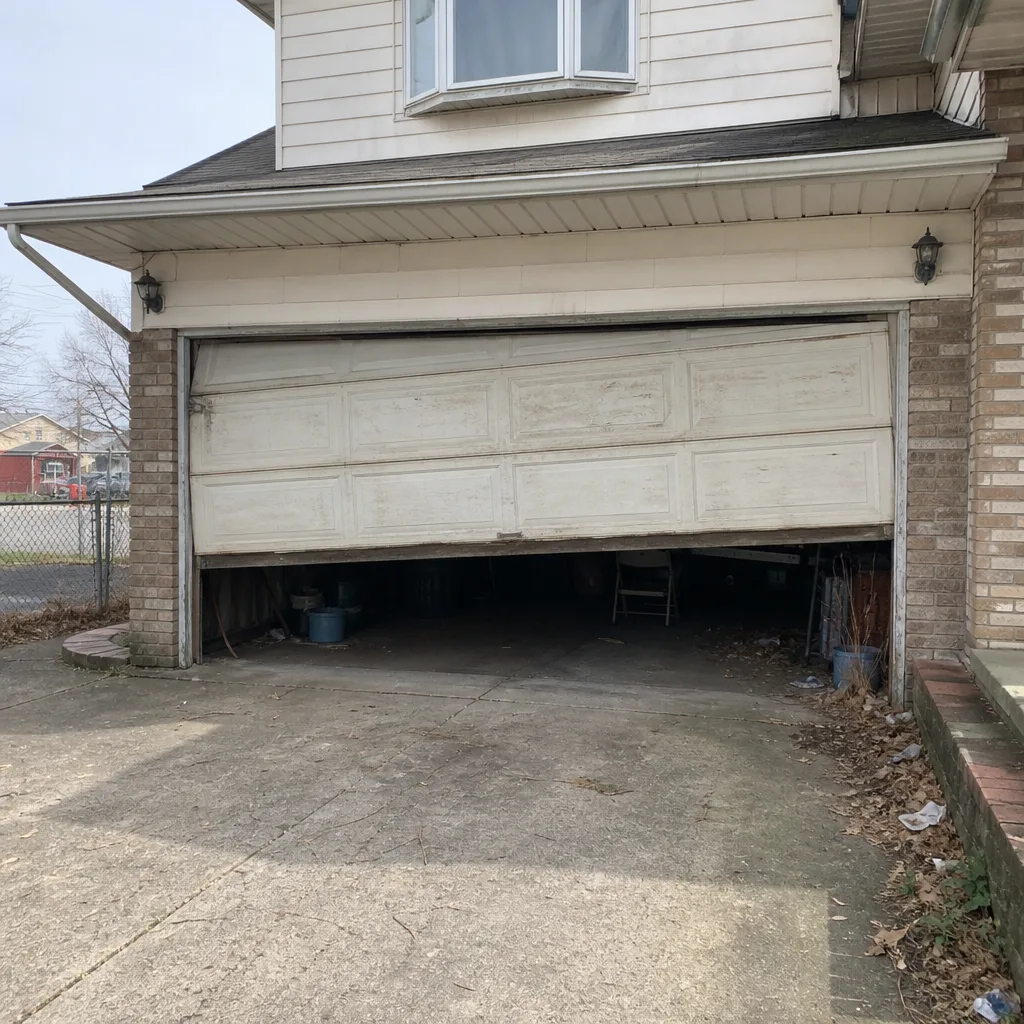 Before
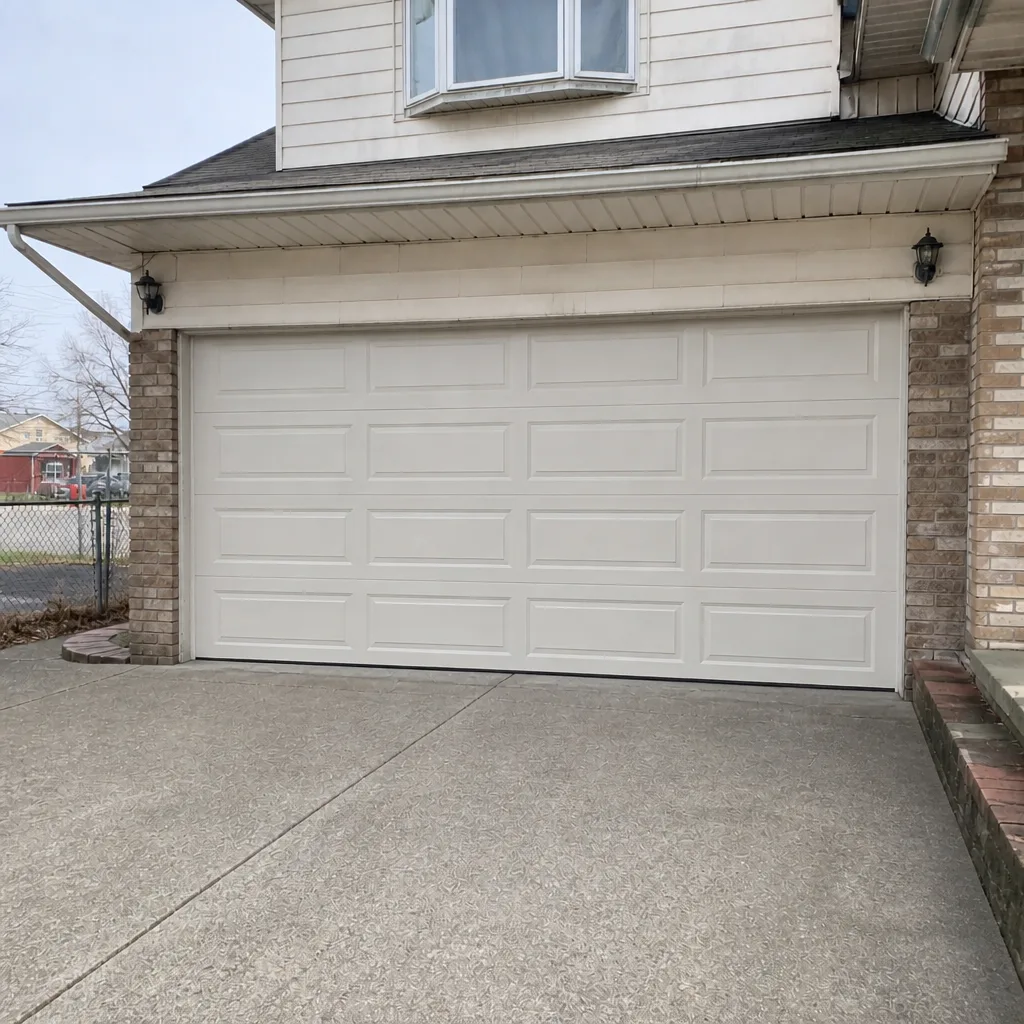 After
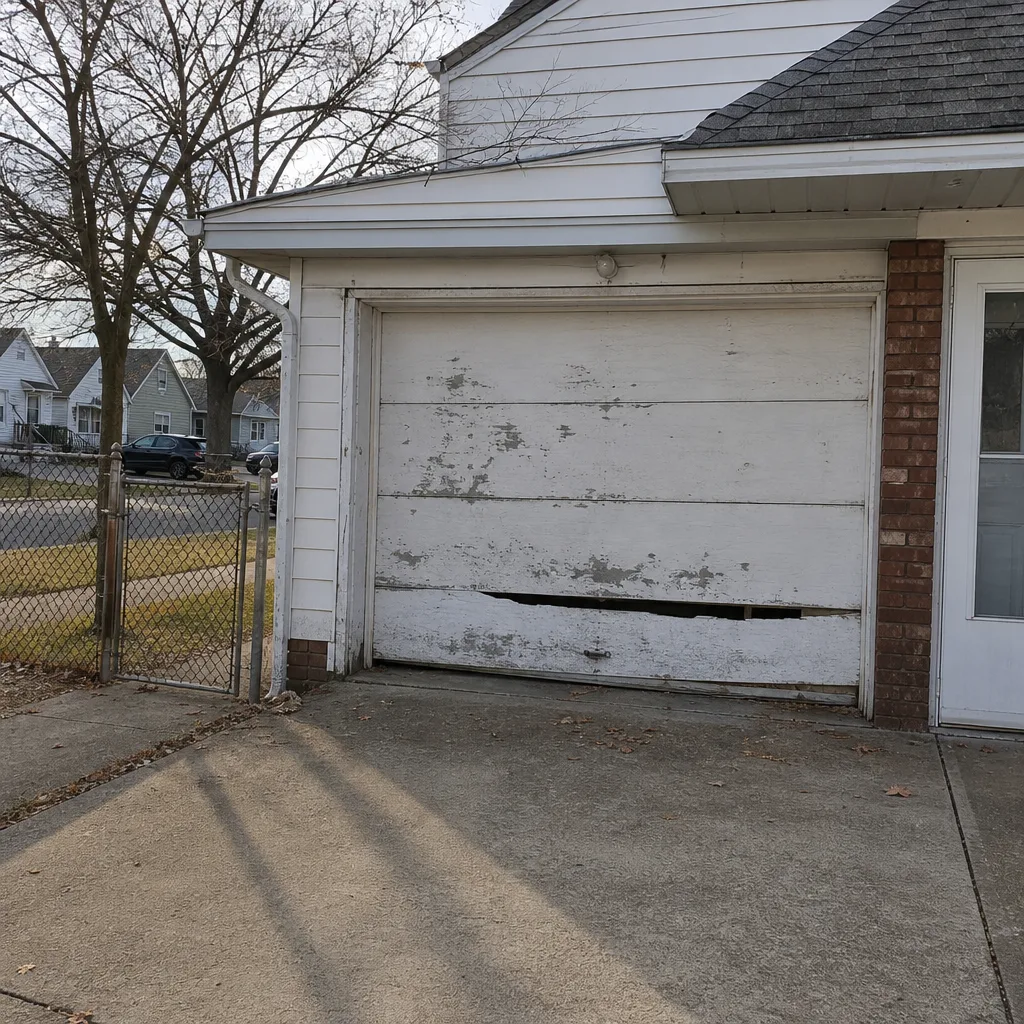 Before
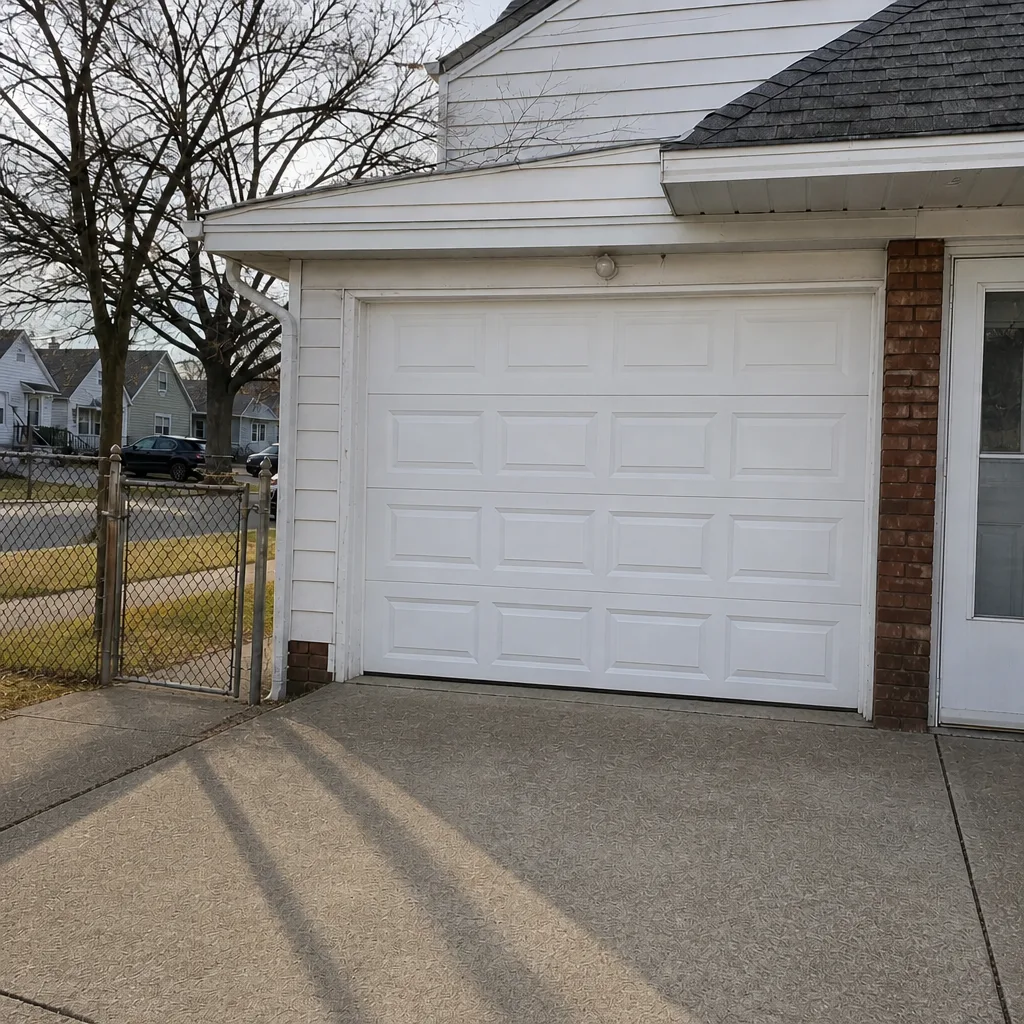 After
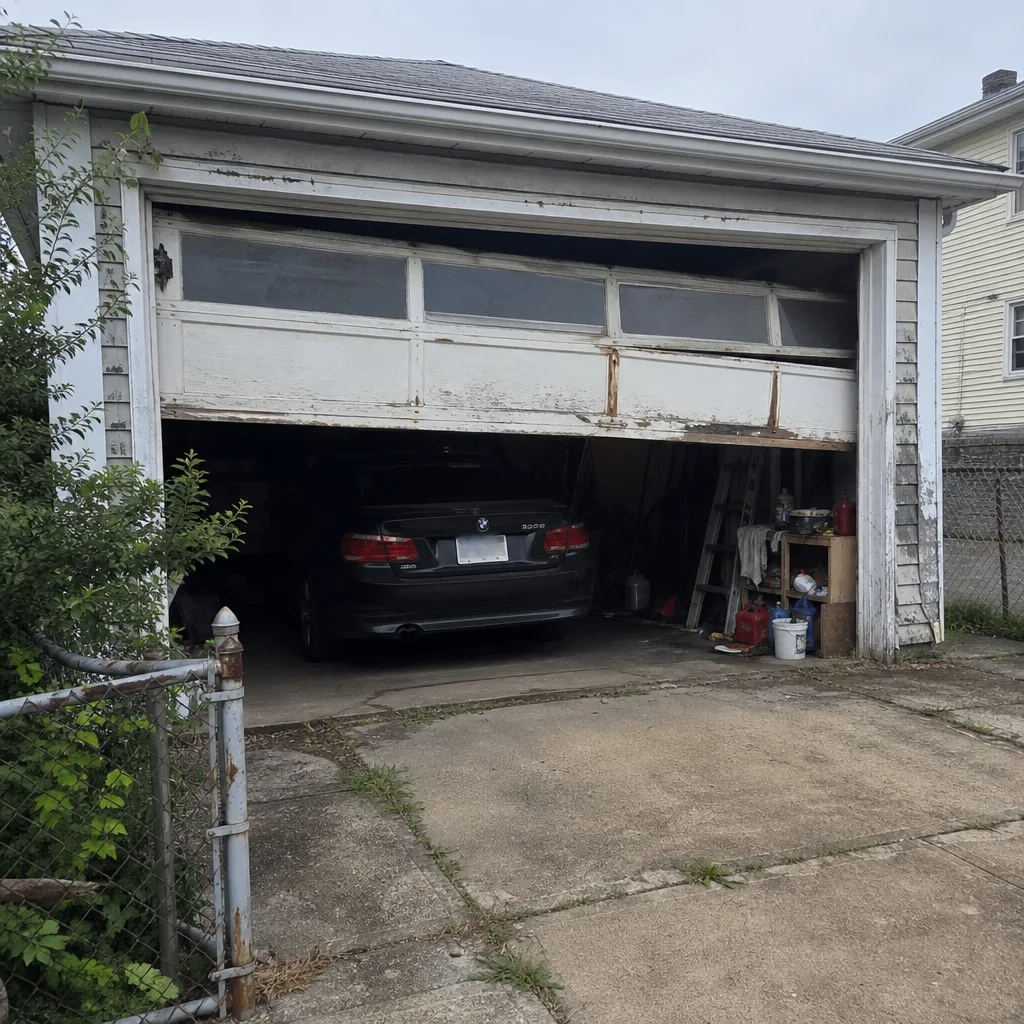 Before
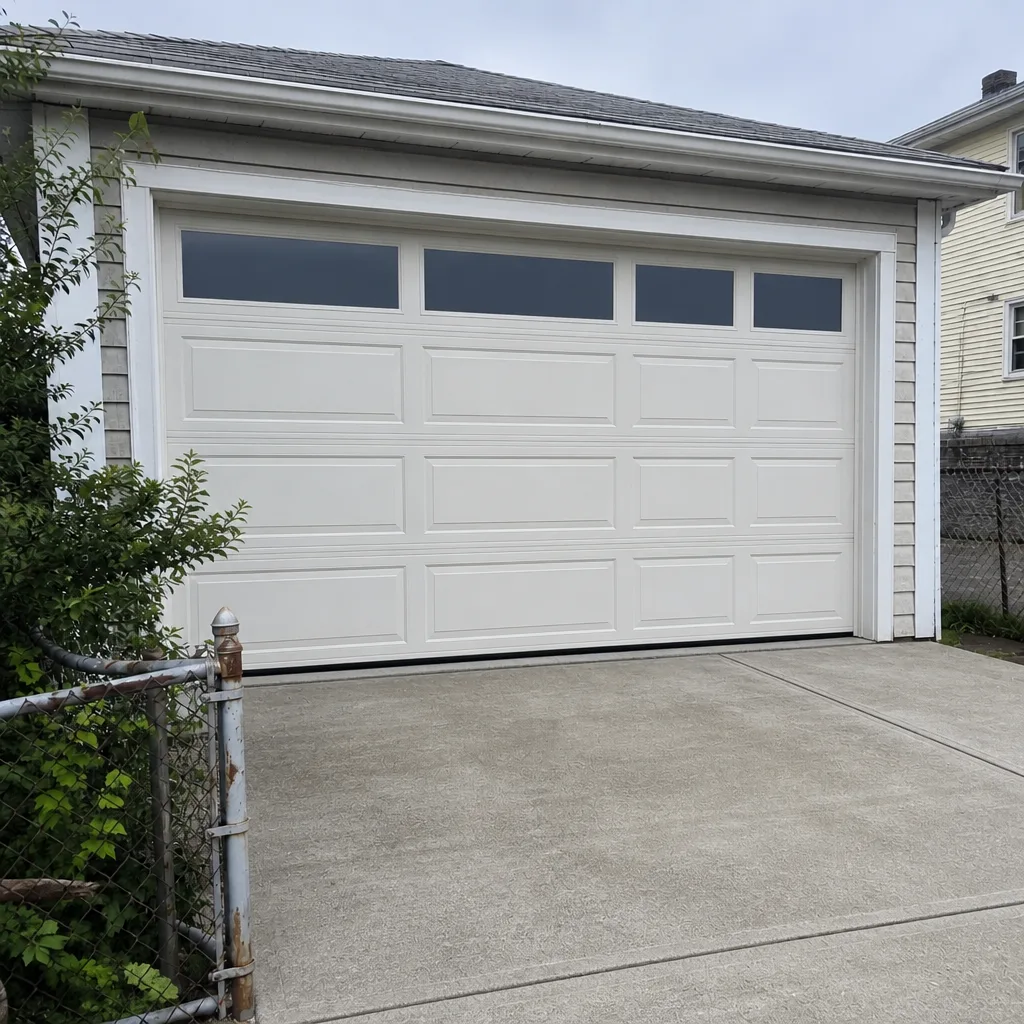 After
When to Call a Professional
Some signs are watch-and-schedule, and some are call-now. Call a professional now if you see a gap in a torsion spring, a cable that’s frayed to multiple strands or has gone slack, a door off its track, an opener that won’t close and flashes a repeating code, or a door hanging unevenly. Those involve stored energy or a door that’s no longer supported, and using it risks injury or a bigger failure. For the smaller stuff, a worn roller, a noisy hinge, a bottom seal past its life, a limit that needs tuning, scheduling a visit keeps it from growing. Garage Door Repair Canarsie offers free estimates in Canarsie; call (844) 443-4493 to get it looked at.
Frequently Asked Questions
Asymmetrical cable tension, a gap in the torsion spring, a frayed or slack cable, and a door that rises unevenly are the top tier. Any of those means stopping the door and calling a professional, because the risk of a panel collapse or injury is real.
It usually means a worn or flat-spotted roller or a loose hinge, not a spring or opener failure. It’s the least urgent common sound, but a failing roller will eventually damage the track, so it’s worth a look. Call (844) 443-4493 for an exact quote; estimates are free.
Check the safety sensors first; a single blink or fast blink often means the sensors aren’t seeing each other. Clean the lenses, confirm they face each other, and note any repeating flash pattern for a technician. If it persists, call (844) 443-4493 for an exact quote; estimates are free.
Spring repair is priced per spring, and a common torsion repair runs in a mid-hundreds range typical for the Canarsie market, with a matched pair costing roughly double a single spring since both are usually replaced together. The written estimate sets the final price, and the quote is agreed before any work starts. Call (844) 443-4493 for an exact quote; estimates are free.
For a door that won’t open, has a broken spring, or won’t close and leaves your home exposed, we offer emergency service and will get a technician out as fast as we can. Dispatched calls run from 7am to 7pm. The price is quoted before work starts, so you know the number going in. Call (844) 443-4493 for an exact quote; estimates are free.
No. We quote and agree on the repair before anyone touches the door, and the written estimate is what you sign. If we find something different on site, we tell you and re-quote before doing that work. Call (844) 443-4493 for an exact quote; estimates are free.
The Bottom Line
The warning signs are not one vague list. Each sound, each movement, each visual cue maps to a different system and a different urgency. Popping means a spring and you stop the door. Clicking means a roller and you can schedule. Slack or uneven cable tension means cut the power and call. Read the blinking lights on your LiftMaster or Chamberlain opener; they’re telling you the reason. And treat spring and cable work as the professional job it is. Garage Door Repair Canarsie services eight leading brands and full repair, opener, and installation work across Canarsie, and the diagnosis you do at home makes the fix faster.
Call (844) 443-4493 for a free estimate. Upfront pricing, agreed before any work starts.
Written by the team at Garage Door Repair Canarsie.